Cabinet Boxes: Melamine vs Plywood Made Easy in 2026
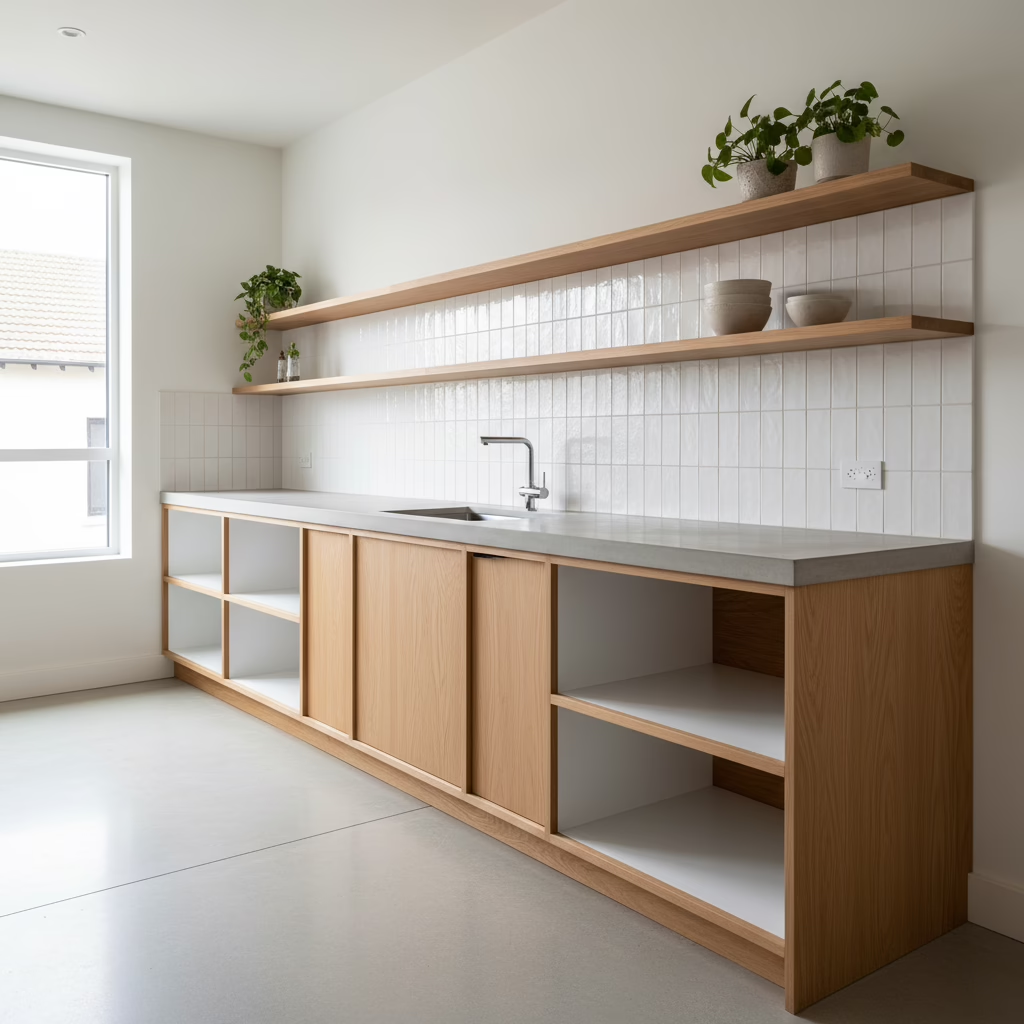
Melamine vs plywood cabinet boxes refers to choosing between thermally fused melamine panels and layered hardwood plywood for the cabinet carcass. For homeowners around 11 Edvac Drive, Altima Kitchens and Closets designs and manufactures both options in-house, helping you match durability, moisture resilience, finish, and warranty to your real kitchen use. Here’s the clear, no-jargon breakdown.
By Ashok — Altima Kitchens and Closets
Last updated: 2026-04-24
Overview: What you’ll learn
Melamine and plywood are the two most common cabinet box materials. Melamine offers a smooth, consistent interior and easy cleaning; plywood provides layered strength and robust screw holding. This guide explains where each wins, includes a fast comparison table, and gives 10 scenario-based picks to help you choose with confidence.
Before we dive deep, here’s how this guide helps you make a confident decision fast.
- Understand core differences: strength, moisture behavior, weight, finish, fasteners, and warranties.
- See a quick side-by-side table you can screenshot and share with family or strata boards.
- Get our top pick for most GTA homes, then nine more recommendations by scenario.
- Follow a practical checklist to brief your designer or installer in one meeting.
- Learn how Altima’s in-house factory and 3D design process reduce risk before build.
Local considerations for 11 Edvac Drive
- Seasonal humidity swings in the GTA can shift panels slightly; plan for proper acclimation and allow returns or fillers to keep reveals tight.
- Condo renovations often face elevator schedules and noise windows; pre-assemble cabinet boxes at our factory to shorten on-site time.
- High-traffic families benefit from integrated storage (pull-out pantry, lazy susan, spice pull-outs) so box material decisions align with accessories.
Quick Comparison Table
Use this table to compare melamine and plywood at a glance. It summarizes strength, moisture tolerance, weight, interior feel, fastener grip, environmental compliance, and typical use-cases. Pair it with our scenario picks below to choose the right cabinet box construction for your kitchen or closet.
Both materials meet modern residential needs when specified and installed correctly. The right choice depends on humidity exposure, cleaning habits, accessory load, and the look you want when doors are open.
| Attribute | Melamine (TFL over particleboard) | Plywood (multi-ply hardwood core) |
|---|---|---|
| Panel thickness (typical) | 5/8″–3/4″ | 1/2″–3/4″ |
| Strength/rigidity | Stable under normal spans; bracing helps on wide boxes | High stiffness; better for longer spans and heavy loads |
| Moisture behavior | Surface is highly wipeable; edges need proper sealing | Layers resist swelling better; still seal edges/cutouts |
| Weight | Moderate; consistent across panels | Generally lighter at the same thickness |
| Interior look/feel | Clean, bright, consistent white or woodgrains | Natural wood grain layers; warm, upscale vibe |
| Fastener/screw holding | Good with confirmats; pre-drilling recommended | Excellent screw withdrawal resistance |
| Edge treatment | Edgebanding required on visible edges | Edgebanding preferred; can finish exposed plies |
| Environmental notes | Specify low-emission, TSCA Title VI–compliant panels | Also available in low-emission, certified panels |
| Best fits | Bright interiors, easy-clean kitchens, closets | Heavy cookware, long spans, luxury kitchens |
Our Top Pick (for most GTA homes)
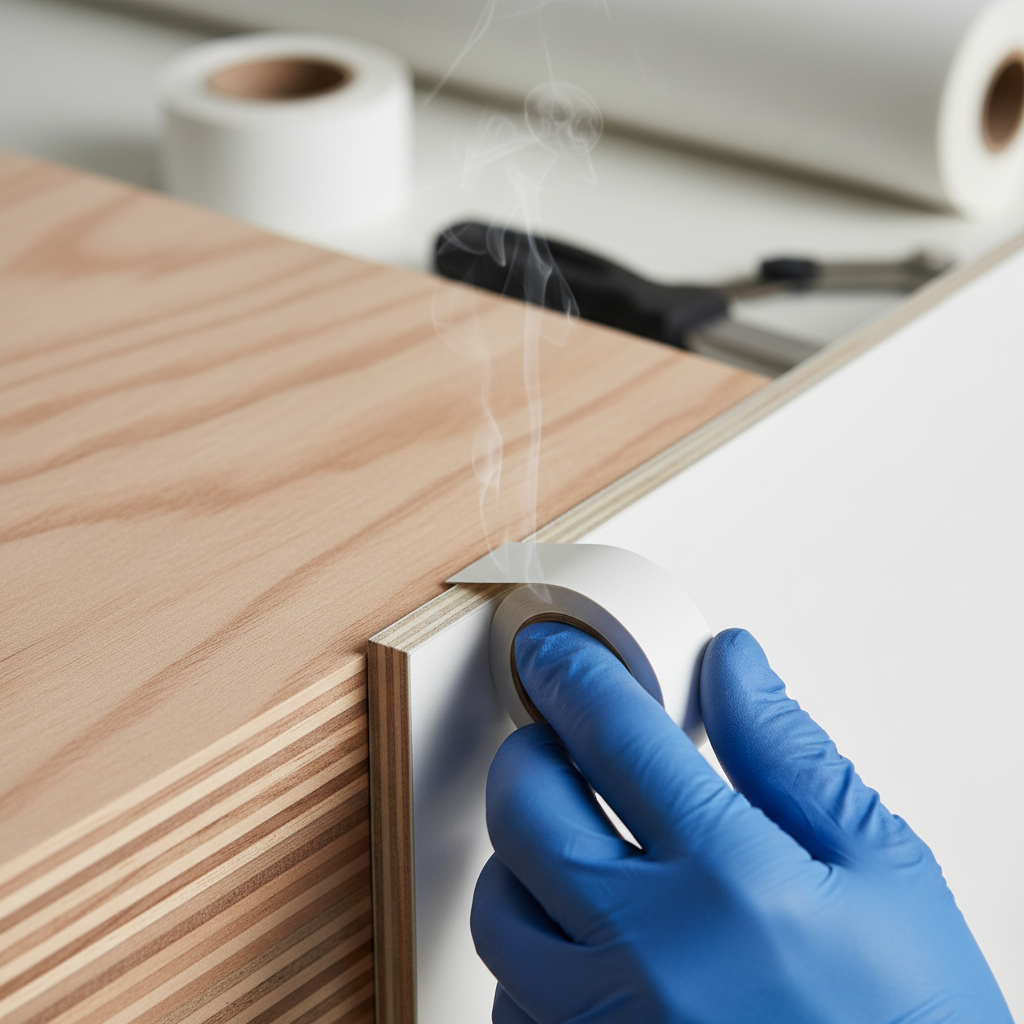
For most GTA kitchens, we recommend 3/4″ melamine cabinet boxes with moisture-sealed edges, solid plywood toe-kicks, and plywood sink bases. This hybrid balances wipe-clean interiors with strategic plywood where water risk and heavy loads are highest. It delivers durability, value, and easy maintenance for busy households.
Here’s why our hybrid spec works so well in real kitchens we build across the GTA.
- Easy-to-clean interiors: White melamine reflects light and wipes clean after cooking splashes.
- Targeted plywood strength: Plywood sink bases and toe-kicks add resilience where moisture and foot traffic concentrate.
- Accessory-ready construction: 3/4″ side panels accept pull-outs, organizers, and drawer systems without flex.
- Factory precision: Our Italian CNCs keep holes accurate so hardware sits square and silent.
- Warranty alignment: We back MDF painted and prelaminated doors with lifetime warranties; pairing with stable box materials preserves alignment.
Want to visualize this hybrid in your space? Our team provides 2D/3D kitchen design previews so you can see interiors, organizers, and appliance clearances before we cut a single panel.
Entry #2 — Best for condo kitchens
Choose 3/4″ melamine boxes for condo kitchens where space is tight and cleaning is frequent. They’re bright, consistent, and pair well with organizers. Add plywood under-sink and use high-quality edgebanding to handle daily moisture from dishwashers and sinks.
Condo projects benefit from pre-assembled boxes to shorten noisy on-site work. Our manufacturer selection guide explains why precise shop work is key in elevator-timed buildings.
- Bright interiors make small kitchens feel larger.
- Edgebanded shelves resist chipping during frequent use.
- Confirmat screws and dowels keep cases square through moves.
Entry #3 — Best near sinks and dishwashers
Use plywood for sink bases and dishwasher-adjacent boxes. Seal all cutouts and penetrations. Plywood’s layered core handles incidental moisture better, while melamine remains ideal for surrounding storage runs.
We routinely specify plywood just where it matters most and finish plumbing cutouts with sealant. Pair with a drip tray and adjusters that keep the cabinet base off damp floors.
- Plywood maintains screw grip around plumbing fixtures.
- Melamine side panels keep interiors bright and sanitary.
- Toe-kicks in plywood shrug off occasional mopping water.
Entry #4 — Best for heavy cookware and long spans
For oversized drawers, wide pots-and-pans stacks, or appliance garages, plywood boxes offer superior stiffness and screw holding. Combine with 3/4″ thick shelves and under-shelf supports on spans over 36 inches.
We add hidden supports when clients specify deep file drawers or mixer lifts. Drawer slides perform best when the case stays perfectly square under load.
- Plywood carcasses reduce racking on extra-wide drawers.
- Use integrated stretchers to keep the box aligned.
- Upgrade shelf pins to metal sleeves for frequent reconfiguring.
Entry #5 — Best for rentals or secondary suites
Melamine boxes are a smart pick in rental units for their wipeable surfaces and consistent replacements. Specify durable edgebanding and confirmat fasteners; protect sink bases with plywood or moisture mats.
Turnover cleaning is faster with bright interiors. If you swap a single damaged shelf later, color matching is straightforward in melamine programs.
- Fast wipe-down between tenants saves time.
- Consistent finish simplifies part replacement.
- Reinforce base units likely to see rough handling.
Entry #6 — Best for luxury kitchens and showpiece installs
Full plywood cabinet boxes deliver a premium feel and robust joinery for luxury kitchens. The layered edges and natural wood interior options elevate perceived quality, especially with glass doors or open shelving.
When clients in display kitchens want every detail to read upscale—even with doors open—plywood interiors pair beautifully with walnut or rift-oak fronts. We still seal edges and cutouts for long-term stability.
- Natural wood tones read warmer behind glass.
- Excellent screw holding for specialty hardware.
- Stays square under stone waterfall ends and tall pantry loads.
Entry #7 — Best for closets and wardrobes
Melamine closet boxes excel for clean, uniform interiors and easy maintenance. Use 3/4″ panels for long hanging spans and incorporate metal rod supports. Add edge protection on drawers and shoe shelves.
Our team designs custom wardrobe closets with integrated lighting and valet bars. Melamine surfaces resist scuffs from daily wardrobe movement.
- Consistent finish simplifies multi-room closet systems.
- Great with modular accessories and adjustable shelves.
- Edgebanding extends the life of high-touch edges.
Entry #8 — Best for basements and mudrooms
Use a hybrid: melamine for general storage and plywood for bases in areas exposed to wet boots or utility sinks. Elevate cabinets on adjustable legs and use moisture-resistant toe laminates.
We add ventilation cutouts where dryers or utility equipment share space. Keeping boxes off concrete and sealing toe-kicks extends life in these high-moisture zones.
- Adjustable legs isolate boxes from occasional puddles.
- Plywood toe-kicks handle scuffs and impacts.
- Melamine interiors simplify seasonal cleanup.
Entry #9 — Best for media walls and TV units
For media units, plywood excels at supporting long floating spans and wall-hung loads. Melamine can be used for interior shelving. Always plan for cable routing and ventilation.
See how we integrate casework and wiring in our custom media units. We reinforce mounting rails and use hidden stretchers to carry the load across studs.
- Layered cores resist sag on wide floating sections.
- Hidden steel angles help with ultra-long spans.
- Melamine shelves keep interiors bright behind doors.
Entry #10 — Best for light commercial millwork and shops
Plywood cabinet boxes are preferred for light commercial installs that face frequent loading and hardware changes. They maintain screw grip through multiple re-fits and hold fast under daily use.
For back-of-house storage, we often blend plywood cases with durable laminate exteriors. Serviceability matters when fixtures change; plywood tolerates re-fastening well.
- Excellent substrate for frequent hardware swaps.
- Handles heavier, repetitive loading in retail/service spaces.
- Edges and cutouts still require sealing for longevity.

How to choose your cabinet box material
Decide by matching material strengths to your daily use: pick melamine for bright, wipeable interiors and plywood where moisture, heavy loads, or long spans occur. A hybrid design delivers the best of both with smart edge sealing and accurate installation.
Here’s the decision path we use in design consultations and technical walkthroughs.
- List exposure zones: Sinks, dishwashers, mudroom entries, or utility areas get plywood bases and sealed cutouts.
- Define loads: Heavy cookware, appliance garages, or extra-wide drawers favor plywood cases and thicker shelves.
- Choose interiors: Prefer bright, uniform interiors? Melamine wins for easy-clean surfaces and consistent color.
- Confirm hardware: Plan organizers (lazy susan, pull-out pantry, spice pull-out) early to verify clearances and fastener patterns.
- Validate on 3D: Use 2D/3D drawings to check reveals, fillers, and appliance fits before we cut panels.
Need inspiration on finishes that work with either box? Skim our notes on CNC cabinet door profiles and kitchen flooring tips for cohesive choices.
Buying guide (specs, compliance, and installation)
Specify 3/4″ case sides, moisture-sealed edges, accurate CNC drilling, and compliant low-emission panels. Verify wall plumb/level, use proper shims, and fasten into studs. Good materials underperform with poor installation—precision is everything.
Material specs that matter
- Thickness: 3/4″ sides and 1/2″–3/4″ backs for rigidity on tall and wide cases.
- Edgebanding: Durable 1mm on high-touch edges; color-matched thin banding on interior shelves.
- Low-emission panels: Ask for TSCA Title VI–compliant boards and document lot numbers on your project file.
- Shelf supports: Metal sleeves for adjustable systems to avoid wall wear.
Factory and installation checks
- CNC accuracy: Consistent 32mm system holes ensure hardware sits true and doors stay aligned.
- Stud fastening: Use cabinet screws into studs; align rails level within 1–2mm across long runs.
- Moisture protection: Seal sink cutouts and penetrations; elevate cabinets on legs where floors see water.
- Site prep: Verify plumb and level; correct deviations before setting boxes to prevent racking.
Documentation and coordination
- Confirm appliance specs and door swings on 3D drawings.
- Schedule countertop templating after boxes are secured and level.
- Coordinate backsplash choices early; see our notes on kitchen backsplash installation when pairing with outlets and shelves.
Our methodology (how we test and specify)
We combine factory standards with real-world service data: CNC precision, controlled spray finishing, and installer feedback on screw holding, span stiffness, and edge wear. We also reference recognized durability and emissions benchmarks when selecting panels and adhesives.
In practice, we evaluate box materials alongside door styles, hardware quality, and installation conditions. For example, bright melamine interiors often pair with quartz tops and under-cabinet lighting in our GTA projects, while full plywood cases align with premium wood doors and glass uppers.
- Shop tests include shelf deflection checks on 3/4″ panels over common spans.
- Installer feedback logs note fastener grip after adjustments and re-fits.
- We track edge wear on high-touch drawers to optimize edgebanding thickness.
For broader home-improvement context, you can browse general category pages like sell cabinets online or lifestyle planning such as outdoor kitchen planning, though for custom interiors, a factory-direct path like ours is typically the most controlled.
FAQ: melamine vs plywood cabinet boxes
Most homeowners choose a hybrid: melamine for clean interiors and plywood around moisture and heavy loads. Here are quick answers to common questions so you can make a confident, informed choice for your renovation.
Is melamine strong enough for everyday kitchen use?
Yes—when specified at 3/4″ with quality joinery, melamine boxes handle typical cookware and pantry loads. We add supports on very wide spans and use confirmat fasteners or dowels to keep cases square over time.
Where is plywood absolutely worth it?
Use plywood at sink bases, around dishwashers, on extra-wide drawers, and wherever fasteners may be adjusted repeatedly. Its layered core holds screws tightly and tolerates incidental moisture better than particleboard.
Do melamine interiors yellow or stain?
Quality melamine surfaces resist typical kitchen stains and clean with mild soap and water. Avoid abrasive pads on edges. For under-sink areas, pair melamine sides with a plywood base and a tray to catch drips.
Will I see a difference once doors are closed?
Not usually. The difference is most noticeable with glass doors or open shelving. Behind opaque doors, both melamine and plywood perform and look excellent when built and installed correctly.
Can I mix melamine and plywood in one kitchen?
Absolutely. We often specify melamine for general runs and plywood for targeted areas like sink bases and toe-kicks. This hybrid approach balances durability, maintenance, and design goals.
Key takeaways
Melamine delivers clean, bright, easy-care interiors. Plywood offers superior screw holding and moisture tolerance. Most GTA projects benefit from a hybrid—melamine everywhere, plywood where loads and moisture concentrate—built precisely in a factory and installed level and square.
- Match material to exposure and loads; don’t over- or under-spec.
- Seal edges and cutouts; verify CNC accuracy and stud fastening.
- Use 3D design to validate clearances before fabrication.
- Blend with storage accessories to maximize day-to-day utility.
- Leverage factory-direct control for quality and timelines.
Conclusion: the confident choice for your project
You don’t have to pick only one. Specify melamine for bright, wipeable interiors and plywood where water and weight concentrate. Altima’s hybrid, factory-built approach gives you the best of both with measured fit, finish, and long-term serviceability.
Ready to see options in context? Explore finishes, organizers, and door styles alongside box construction in our showroom previews and drawings. For related planning, our posts on cabinet repainting process and repainting factors can help you coordinate future refreshes without redoing boxes.
Related Posts
Why Choose Kitchen Renovation Company
Nowadays, Kitchen spaces are not only a place for cooking and serving food, but these areas act as a statement, as they speak a lot about a family, the philosophy and personality of individuals, and spaces. If you admire aesthetics and adorn the beauty of your home, you must pay attention to the interior design […]
How a Kitchen Renovation Contractor is Changing the Game
Lifestyle is all about bringing something coherent to the overall experience of living. The kitchen and closets stand as two of the most influential spaces in a home that add to the overall experience of living. A Kitchen Renovation Contractor in Whitby by the name of Altima Kitchen and Closets Inc. is changing the overall […]
How Media unit contractor in Whitby is Changing the Game
Lifestyle is all about bringing something coherent to the overall experience of living. The kitchen and closets stand as two of the most influential spaces in a home that add to the overall experience of living. A Media Unit Company in Whitby by the name of Altima Kitchen and Closets Inc. is changing the overall […]