What Is a Design-Build Remodel? Save Time in 2026
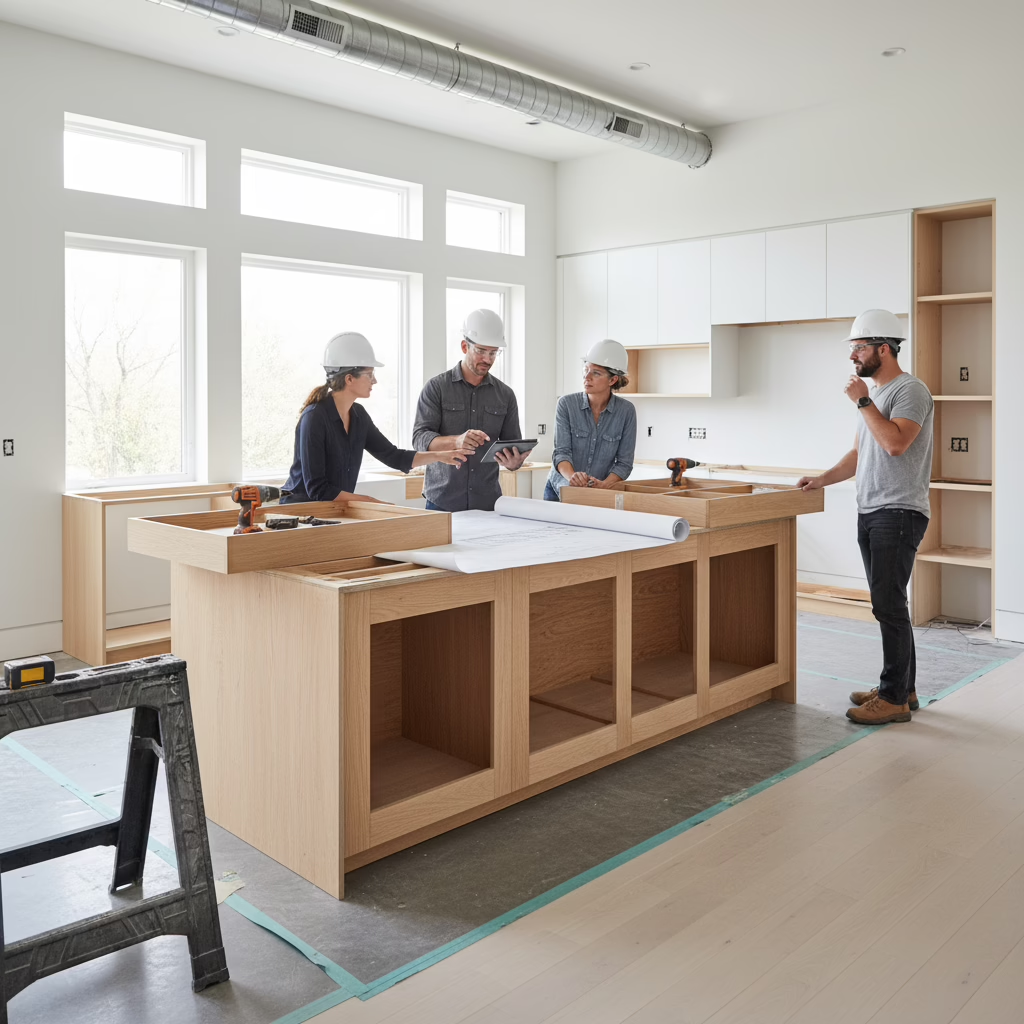
Design build renovate is a single-team delivery model that combines design, engineering, cabinetry manufacturing, and installation under one accountable contract. Near 11 Edvac Drive in the Brampton area, Altima Kitchens And Closets applies this approach to streamline kitchen and home renovations, compress decision time, and keep quality, budget, and timelines aligned.
By Ashok — Altima Kitchens And Closets | Last updated: 2026-05-13
Quick Summary
Design-build remodeling unites designers, engineers, and builders from day one, reducing handoffs and change orders. For Greater Toronto homeowners, it means one contract, one point of accountability, and coordinated decisions supported by 2D/3D visuals and factory-direct cabinetry—so kitchens, bathrooms, and full-home projects finish faster with fewer surprises.
This complete guide explains how the model works, why it saves time, and how Altima’s process supports kitchens, closets, bathrooms, basements, media walls, and full home renovation. You’ll see the steps, best practices, and real examples pulled from our in-house design, CNC manufacturing, and installation workflow.
- What design-build really means and how it differs from traditional models
- Why a one-team approach reduces risk and accelerates schedules
- Altima’s step-by-step workflow from discovery to handover
- Approaches for kitchens, condos, bathrooms, basements, and closets
- Best practices, tools, and checklists you can use immediately
- Mini case studies illustrating outcomes in real GTA homes
What Is Design-Build Remodeling?
Design-build remodeling is a project delivery method where one integrated team handles design, engineering, material sourcing, manufacturing, and construction under a single contract. The unified structure reduces handoffs, aligns decisions with budgets, and turns design intent into build-ready details faster than siloed, multi-vendor approaches.
In a design-build renovate model, the same organization develops drawings, specifies products, fabricates cabinetry, and installs on site. Because scope, selections, and constructability are coordinated from day one, you get clearer estimates, fewer RFIs, and faster approvals. For homeowners, this translates into less stress and more predictable outcomes.
- Single point of accountability: One team owns design and build deliverables.
- Continuous value engineering: Design decisions consider material availability and manufacturing constraints in real time.
- Visual alignment: 2D and 3D drawings help confirm layout, storage, lighting, and finish choices before fabrication.
- Factory-direct cabinetry: In-house production tightens tolerances and shortens lead times.
If you’ve ever managed multiple vendors, you know how easily miscommunication creates rework. A design-build renovate process keeps everyone in the same channel, so each decision moves the project forward.
Why Design-Build Matters for GTA Homeowners
Design-build matters because it simplifies complex renovations into a guided, accountable process. You gain one contract, coordinated schedules, and selections finalized with 3D previews. The result is fewer surprises during demo and install, better fit-and-finish, and faster completion across kitchens, bathrooms, and full-home projects.
Here’s the thing: most delays come from late decisions, missing details, or scope creep. A coordinated team closes those gaps early by aligning drawings, specifications, and site conditions before fabrication. For condo projects that must navigate building rules, approvals, and elevator bookings, a unified team helps you hit windows reliably.
- Clarity before build: Finish palettes, storage accessories, and lighting choices are locked using 2D/3D design.
- Fewer change orders: In-house manufacturing validates measurements and cabinet configurations before cutting materials.
- Streamlined communication: Designers, project managers, and installers collaborate in one thread, often with photo updates.
- Predictable timelines: Coordinated sequencing and factory scheduling reduce downtime between trades.
Industry overviews of residential construction consistently highlight the value of integrated planning and execution. For a general process perspective on residential building, you can review this residential construction overview. It reinforces how early alignment reduces friction once work begins.
How Design-Build Works at Altima
Our design-build workflow moves from discovery to design, engineering, manufacturing, installation, and handover. Each phase has clear deliverables: measured drawings, 2D/3D layouts, selections, shop drawings, and a coordinated schedule. With factory-direct cabinetry, we control quality and timing from the first sketch to the final hinge adjustment.
Below is the step-by-step process our team follows for kitchens and whole-home remodels. It’s the same disciplined structure that supports closets, bathroom vanities, media units, and custom bars.
- Discovery & goals: We clarify your wishlist, constraints, and priorities (e.g., storage, entertaining, accessibility).
- Site measure: Field-verify dimensions, utilities, and conditions to avoid surprises during demo and install.
- 2D layout: Confirm working triangles, appliance zones, traffic flow, and clearances.
- 3D visualization: Review models that show cabinet lines, finishes, lighting, and accessories so choices feel real.
- Selections: Finalize door profiles, paint colors, hardware, countertops, backsplash, flooring, and lighting details.
- Shop drawings: Translate approved designs into build-ready cabinetry drawings and cut lists.
- Manufacturing: Produce boxes and doors using Italian CNC machinery and professional spray finishing.
- Site readiness: Coordinate protective coverings, disposal logistics, and delivery staging to keep your home livable.
- Installation: Fit cabinetry, scribe panels, set countertops, install backsplashes, lighting, and specialty storage.
- Quality review & handover: Walk through punch items, adjustments, and care guidance so you’re confident using the new space.
For a deeper look at timelines and sequencing, see our practical guide to keeping your renovation on track. If you’re mapping a whole-home journey, our full remodel timeline outlines decisions and milestones from day one.
| Aspect | Design-Build (One Team) | Design–Bid–Build (Separate Vendors) |
|---|---|---|
| Contract Structure | Single contract with integrated responsibility | Multiple contracts and handoffs between parties |
| Decision Speed | Faster; design and construction collaborate continuously | Slower; clarifications and RFIs add time |
| Budget Alignment | Live value engineering during design | Repricing and scope adjustments after bids |
| Change Orders | Fewer (issues surfaced early) | More (gaps discovered after award) |
| Fit-and-Finish | Factory-direct cabinetry ensures tight tolerances | Varies with suppliers and subs |

Types, Methods, and Approaches
Design-build adapts to kitchens, condos, bathrooms, basements, closets, and media walls. The approach stays consistent—unified planning, drawings, and fabrication—while details shift based on site rules, utilities, and storage needs. In-house manufacturing and coordinated trades ensure each space gets the right sequencing and finish quality.
Kitchen design-build
Kitchen renovations benefit most from integrated planning because appliances, plumbing, electrical, and ventilation intersect. Storage accessories—pull-out pantries, lazy Susans, and spice pull-outs—must be coordinated with door styles and clearances.
- Use 2D/3D design to validate work zones, landing areas, and aisle widths before ordering appliances.
- Confirm countertop overhangs, seating legroom, and lighting plans early so pendants, valance lighting, and switches align.
- Coordinate backsplash height with range hoods and cabinet lines for a continuous visual flow.
Planning a kitchen? Our practical walkthrough on how to plan a kitchen renovation details layouts and decisions that save time.
Condo renovation design-build
Condos demand additional planning for approvals, quiet hours, elevator bookings, and protection rules. A single team makes it easier to align building requirements with your schedule.
- Secure approvals and book elevators before cabinet delivery is scheduled.
- Use compact dust control and negative air where feasible to protect common areas.
- Stage materials logically to minimize elevator trips and corridor movement.
See common pitfalls in our condo renovation guide—it covers planning windows, logistics, and coordination tips.
Bathroom renovation design-build
Bathrooms combine plumbing rough-ins, waterproofing, ventilation, and precision tile work. An integrated team coordinates vanity sizing, storage towers, lighting, and shower niches with the tile module so cuts land cleanly.
- Lock vanity widths and heights early to align plumbing, mirrors, sconces, and outlets.
- Pre-plan tile coursing so edges finish on profiles or factory edges where possible.
- Confirm ventilation routes and CFM to manage humidity and extend finish life.
For general background on why homeowners remodel bathrooms, this bathroom remodeling overview outlines common functional and lifestyle drivers.
Basements, closets, and media units
Basements require moisture-aware finishes and lighting design; closets need precise organization strategies; media walls must coordinate power, data, and ventilation for components.
- Basements: validate insulation, subfloor, and egress requirements; plan layered lighting for zones.
- Closets: design for double-hang vs. long-hang ratios, adjustable shelving, and drawer stacks that reflect your wardrobe.
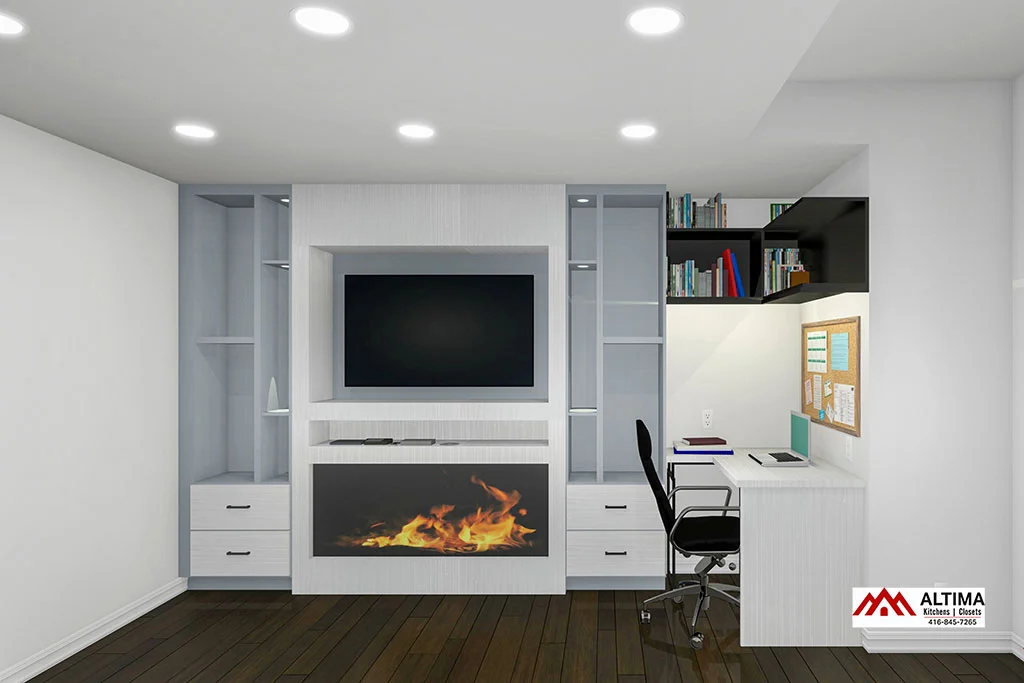
- Media walls: integrate wiring chases, access panels, ventilation, and mount blocking before finish panels arrive.
Our bathroom renovation insights and whole-home upgrade guide show how these principles repeat across rooms.
Best Practices That Keep Projects On Track
The best design-build projects follow clear rules: decide early with 3D visuals, document everything in drawings, stage materials logically, and communicate daily. These habits cut rework, reduce downtime, and maintain quality from first measurement to final touch-ups.
Decide early, decide once
- Use 3D renderings to lock finishes and hardware before any orders are placed.
- Bundle related decisions (e.g., countertop, backsplash, and lighting) to maintain visual cohesion.
- Avoid late swaps that ripple into delivery dates and installation sequences.
Drawings are the source of truth
- Confirm dimensions, clearances, and appliance specs in coordinated 2D drawings.
- Use shop drawings to guide manufacturing and avoid guesswork on site.
- Keep a change log so everyone knows which revision is current.
Protect the home and the schedule
- Stage deliveries to match installation phases; protect floors and high-touch surfaces.
- Pre-arrange disposal logistics to keep the site clean and efficient.
- Schedule inspections and trade windows with realistic buffers for approvals.
Communicate like a pro
- Centralize messaging so decisions and photos live in one place.
- Use daily or weekly updates with next steps and any asks for approvals.
- Document punch items with photos and clear owners to close them fast.
Want a structured start? Our kitchen contractor guide summarizes the early choices that have the biggest schedule impact.
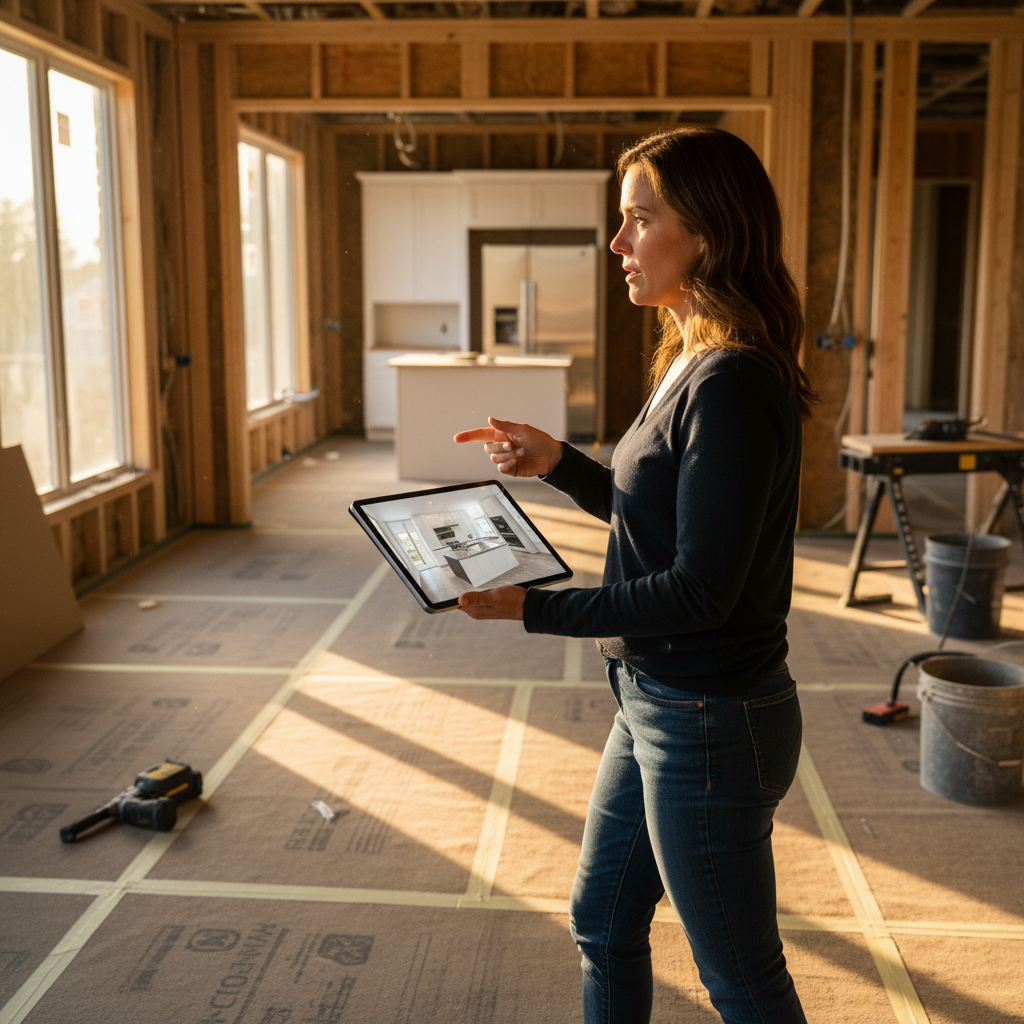
Tools and Resources We Use (and You Can Too)
Great results come from great tools: measured surveys, coordinated 2D/3D design, factory-grade CNC manufacturing, and pro finishing. Add centralized communication and checklists, and you have a renovation system that keeps decisions visible and quality repeatable from project to project.
- Measured survey kits: Laser distance meters and cross-check photos for accurate shop drawings.
- 2D/3D software: Visualize layouts, finishes, and lighting to align choices before fabrication.
- Italian CNC machinery: Consistent cuts and repeatable accuracy for cabinet parts.
- Professional spray booth: Durable finishes on MDF Painted and Prelaminated doors with lifetime warranties.
- Centralized messaging: Fast decisions and shared photos keep projects moving.
- Checklists: Site readiness, delivery staging, and punch processes keep quality on track.
If you’re researching kitchens specifically, regional guides like this kitchen renovation overview show how planning decisions stack up. Pair that with our kitchen planning walkthrough for a clear decision sequence.
Mini Case Studies and Real-World Examples
Integrated teams shine when conditions change. These brief scenarios show how unified design, manufacturing, and install solve surprises quickly—without derailing the schedule. Each example mirrors common GTA situations across kitchens, bathrooms, condos, and basements.
Kitchen: From tight galley to social hub
A Toronto couple wanted seating for four, better pantry storage, and brighter task lighting. During design, we tested two island options in 3D to confirm aisle widths and seating comfort. Factory-direct cabinetry delivered a tall pull-out pantry, spice pull-outs near the range, and valance lighting for shadow-free counters.
- Key move: Shifted the range to improve landing space and traffic flow.
- Why it worked: Adjustments happened in design, so shop drawings matched reality and install went smoothly.
Condo: Hitting an elevator window
In a downtown condo, strict quiet hours and elevator bookings created a narrow installation window. With one team, we coordinated delivery staging, protected corridors, and pre-cut scribe panels. Cabinets, counters, and backsplash installed in sequence without downtime.
- Key move: Shop drawings anticipated column out-of-square conditions.
- Why it worked: Coordinated approvals and just-in-time delivery eliminated idle time.
Bathroom: Precision tile and storage
A family near 11 Edvac Drive needed more bathroom storage and better lighting. We set a custom vanity width, added a storage tower, and coordinated tile coursing so cuts landed on clean edges. Lighting and ventilation were set to support daily routines.
- Key move: Locked vanity, mirror, and sconce dimensions early.
- Why it worked: Waterproofing and tile were executed to a clear module, reducing rework.
Basement: Flexible zones for work and play
A Mississauga homeowner wanted a media wall, kids’ storage, and an exercise corner. We used 3D to test sightlines and lighting layers, then manufactured cabinetry to fit mechanicals. The result: organized storage, better acoustics, and a family space that adapts day to night.
- Key move: Built in access panels and wiring chases behind finish panels.
- Why it worked: Fabrication anticipated service access, so future maintenance won’t damage finishes.
Local considerations for 11 Edvac Drive
- Plan around seasonal demand in the GTA: spring and early fall often book faster; lock your 2D/3D reviews early.
- For condo work in Brampton-area towers, align building approvals and elevator bookings before manufacturing starts.
- Snow and freeze-thaw cycles affect deliveries and staging; protect thresholds and schedule indoor staging areas.
Design-Build Renovate: Common Questions (FAQ)
Homeowners ask about differences from traditional contracting, timelines, and how selections are handled. In design-build, one team manages drawings, factory production, and installation. You approve 2D/3D designs and selections before fabrication, which keeps timelines predictable and minimizes onsite surprises.
What makes design-build different from hiring separate designers and contractors?
You sign one contract with a single accountable team. Designers and builders collaborate from day one, so drawings, selections, and site conditions stay aligned. That integration reduces handoffs, clarifications, and change orders compared with hiring separate firms.
How do 2D and 3D designs help my renovation?
2D drawings confirm dimensions and clearances, while 3D visuals show finishes, lighting, and storage in context. Seeing the space before fabrication leads to confident decisions, fewer late changes, and a smoother installation.
Will I have to coordinate multiple vendors?
No. In design-build, one team handles design, manufacturing, and installation. You’ll have a single point of contact for updates, approvals, and scheduling, which simplifies the entire experience.
Does design-build work for condos with strict rules?
Yes. A unified team manages approvals, elevator bookings, delivery staging, protection plans, and quiet-hour rules. Aligning building requirements with your schedule prevents delays and keeps projects on track.
How does factory-direct cabinetry improve results?
In-house manufacturing controls tolerances, finish quality, and timing. Shop drawings flow directly to CNC production and finishing, so cabinets arrive built for your exact space—reducing fit issues onsite.
Key Takeaways
Design-build brings design and construction under one roof for faster decisions, clearer drawings, and factory-level precision. For GTA homeowners, it means smoother renovations, predictable timelines, and a single accountable partner from the first sketch to the final walkthrough.
- One team, one contract, fewer surprises during installation.
- 2D/3D design and shop drawings translate choices into build-ready details.
- Factory-direct cabinetry improves fit, finish, and schedule control.
- Applies across kitchens, bathrooms, condos, basements, closets, and media walls.
- Daily communication and checklists keep progress visible and consistent.
Next Steps
Start with a discovery call and 2D/3D review to clarify goals, storage needs, and finishes. From there, we create shop drawings, schedule manufacturing, and coordinate installation windows—so your project moves decisively from vision to completion with one accountable team.
Ready to see your kitchen or whole home in 3D? Explore our practical resources on working with a kitchen contractor and planning a whole-home remodel, then connect for a consultation.
Soft CTA: Book a design consultation and 3D preview with Altima Kitchens And Closets. We’ll align layouts, finishes, and storage accessories before a single cabinet is cut—so installation day is predictable and efficient.
For additional background reading on planning approaches beyond cabinetry, this high-level residential construction explainer outlines how sequencing typically flows. For bathroom motivation, see a remodeling benefits overview or browse a kitchen planning example to compare checklists with ours.
Related Posts
Why Choose Kitchen Renovation Company
Nowadays, Kitchen spaces are not only a place for cooking and serving food, but these areas act as a statement, as they speak a lot about a family, the philosophy and personality of individuals, and spaces. If you admire aesthetics and adorn the beauty of your home, you must pay attention to the interior design […]
How a Kitchen Renovation Contractor is Changing the Game
Lifestyle is all about bringing something coherent to the overall experience of living. The kitchen and closets stand as two of the most influential spaces in a home that add to the overall experience of living. A Kitchen Renovation Contractor in Whitby by the name of Altima Kitchen and Closets Inc. is changing the overall […]
How Media unit contractor in Whitby is Changing the Game
Lifestyle is all about bringing something coherent to the overall experience of living. The kitchen and closets stand as two of the most influential spaces in a home that add to the overall experience of living. A Media Unit Company in Whitby by the name of Altima Kitchen and Closets Inc. is changing the overall […]