Kitchen Remodel Contractors: Avoid Delays in 2026
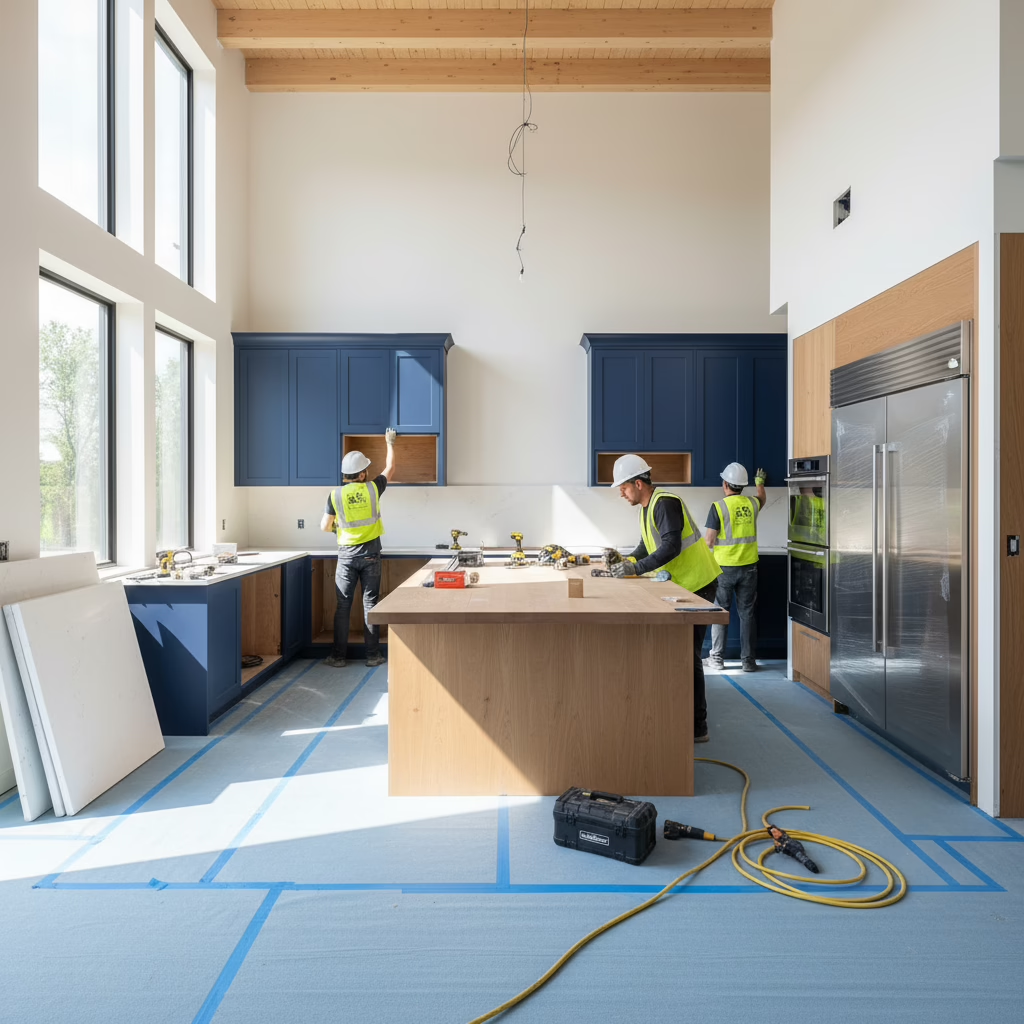
Kitchen remodel contractors are licensed professionals who plan, coordinate, and build full kitchen upgrades—from design and permitting to cabinetry, countertops, and installation. In Brampton and across the GTA, a design-build contractor like Altima Kitchens and Closets streamlines every step with in-house design, factory-direct cabinetry, and on-site installation to deliver a finished kitchen without avoidable delays.
By Ashok, Altima Kitchens and Closets • Last updated: 2026-06-07
Quick Summary
Choose kitchen remodel contractors that provide end-to-end design-build, clear scheduling, and itemized scopes. Insist on 2D/3D designs, factory-direct cabinetry, and a single project manager. Verify references, confirm warranties, and align on a weekly milestone plan. This combination shortens timelines and reduces change orders.
Use this guide to vet providers, map a realistic schedule, and prevent bottlenecks. You’ll learn how design-build differs from traditional general contracting, which documents to request, and the exact milestones that keep projects moving.
- Understand provider types: design-build, GC, cabinet dealer, refacing specialist
- See a step-by-step renovation timeline with quality checkpoints
- Use a buying checklist to interview and compare bids
- Review a provider comparison table to match your goals
- Apply GTA-ready tips for seasonality, condo approvals, and logistics
Local considerations for Brampton and the GTA
- Plan for winter lead times. Cold-weather deliveries and holiday closures can extend material arrival windows; lock selections and approvals 3–4 weeks earlier than summer schedules.
- Condo rules matter. Book elevator and service room times early, and confirm noise hours and protective floor coverings before demolition and deliveries.
- Renovation neighbors. In busy GTA communities, coordinate debris bins and parking to avoid fines and lost crew hours.
What Is a Kitchen Remodel Contractor?
A kitchen remodel contractor is the accountable lead who coordinates design, procurement, and construction to deliver a finished kitchen. The best firms manage drawings, permits, cabinetry fabrication, trades, and inspections under one roof—reducing handoffs and schedule risk while improving quality control.
In our experience managing thousands of projects across the GTA, homeowners move faster when they work with a single point of accountability. At Altima, that means one project manager from design through punchlist, supported by in-house designers and installers.
- Scope ownership: Defines layout, finishes, MEP needs, and site protection before demo.
- Design integration: Turns goals into 2D floor plans and 3D visuals so you can approve details with confidence.
- Procurement control: Orders factory-direct cabinetry, quartz, hardware, lighting, and accessories from a single system.
- Trade coordination: Schedules licensed electricians, plumbers, tile installers, and painters in sequence with documented specs.
- Inspection readiness: Preps for any necessary inspections and documents milestones.
Because design, manufacturing, and installation live in one workflow, decision cycles shrink. Fewer handoffs mean fewer surprises—and fewer days added to your calendar.
Why the Right Contractor Matters
The right contractor protects your schedule, budget, and finish quality. When design, fabrication, and installation are coordinated, you avoid rework, schedule gaps, and change orders. With itemized quotes and 3D views, decisions are clearer and sign-offs faster.
Here’s the thing: kitchen remodels touch plumbing, electrical, flooring, and ventilation. Without clear leadership, crews can stack up or sit idle. We’ve found that a documented weekly plan with defined deliverables accelerates work and reduces callbacks.
- Speed: A single project manager removes back-and-forth between vendors.
- Quality: Factory-grade fabrication with Italian CNC machinery tightens tolerances and fit.
- Clarity: Itemized scopes remove ambiguity so everyone builds from the same playbook.
- Assurance: Lifetime warranties on MDF Painted and Prelaminated doors provide long-term protection on a key surface area.
- Access: Flexible financing with 0% down helps you proceed without delay (approval terms apply).
If you value predictable outcomes, look for providers that combine design, cabinetry manufacturing, and installation—and can prove it with references and factory capabilities.
How the Kitchen Remodel Process Works
A successful kitchen remodel follows a staged plan: discovery, design, approvals, fabrication, site prep, installation, and handover. Each stage has checklists and sign-offs. When one team owns all stages, you compress timelines and eliminate change-order cascades.
Below is the flow we use as a design-build manufacturer and installer. Adapt it to your project, but keep the sequence and sign-offs intact.
- Discovery & goals (1–2 meetings): Define must-haves, space issues, and style preferences. Capture appliance sizes early.
- 2D/3D design (1–3 iterations): Approve layout, storage, lighting, and finish direction. Use 3D to resolve island clearances and sightlines.
- Itemized scope & selections: Confirm cabinets, box material (melamine or plywood), hardware, lighting, quartz, backsplash, sink/faucet, and accessories (spice pull-out, lazy susan, pull-out pantry).
- Scheduling & logistics: Lock demolition week, deliveries, condo elevator times (if applicable), and debris plan.
- Fabrication: Produce cabinetry on Italian CNC equipment; finish in a professional spray booth for color consistency.
- Site prep & protection: Floor coverings, dust control, and appliance protection minimize disruption.
- Trades in sequence: Demo, framing (if needed), rough-in plumbing/electrical, drywall, flooring, paint, cabinet install, countertop template, slab install, backsplash, finishing electrical/plumbing.
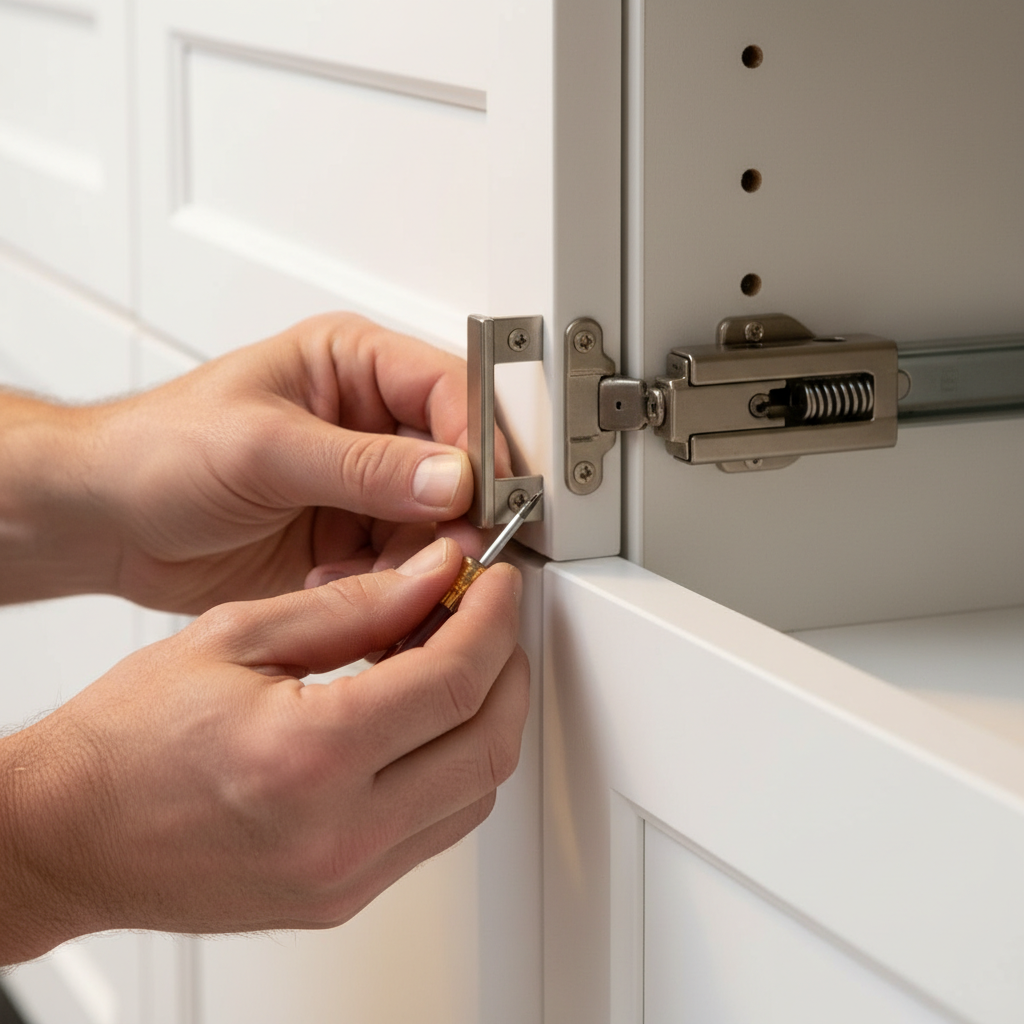
- Quality checks: Align doors, adjust soft-close hardware, verify lighting, and confirm appliance fit.
- Handover & documentation: Walkthrough, punchlist, and warranty package.
Want a deeper dive into the end-to-end model? See our perspective on what a design-build remodel looks like and why fewer handoffs speed projects.
Types of Kitchen Remodel Providers (Compared)
Kitchen remodel providers include design-build firms, traditional general contractors, cabinet dealers, and refacing specialists. Each has strengths. Choose based on scope, timeline sensitivity, and desire for single-point accountability versus coordinating several vendors yourself.
Use this comparison to match your goals with the right delivery method. The fewer handoffs you manage, the lower your schedule risk.
| Provider Type | Accountability | Best For | Pros | Watch Outs |
|---|---|---|---|---|
| Design-Build (in-house design + factory + install) | Single source | Full remodels, custom layouts, faster decisions | 2D/3D design, factory-direct cabinets, one PM, coordinated trades | Verify capacity and real factory capabilities |
| General Contractor (subcontracts vendors) | One manager; multiple subs | Complex structural changes | Broad trade access | More handoffs; longer decision cycles; variable finish control |
| Cabinet Dealer (outsourced fabrication) | Split (dealer + fabricator + installer) | Cabinet-focused updates | Brand variety | Lead-time risk; limited integration of trades |
| Refacing Specialist | Single trade | Face/door refresh with same layout | Less disruption | Doesn’t fix layout, storage, or lighting issues |
For a primer contrasting door options, this overview of standard vs. custom cabinet doors can help frame decisions about durability and fit. If your boxes are sound, a cabinet refacing guide explains when a simpler refresh makes sense.
Buying Guide: How to Choose Kitchen Remodel Contractors
Select kitchen remodel contractors by verifying licenses, in-house capabilities, detailed scopes, and real timelines. Ask for 2D/3D drawings, factory details, a weekly milestone plan, and references for similar projects. Compare apples-to-apples with a consistent checklist.
Here’s a practical, interview-ready checklist our GTA homeowners use to make confident choices.
Documents to request
- 2D floor plan and 3D visuals with labeled dimensions.
- Itemized scope: cabinetry, boxes, doors, hardware, lighting, counters, backsplash, accessories.
- Material specs: cabinet box material (melamine/plywood), hinge/slide brands, finish method (spray booth).
- Schedule: week-by-week milestones from demo to handover.
- Warranty documentation for doors and workmanship.
- Communication plan: who updates you and how often (we use proactive messaging for status and photos).
Interview questions that reveal readiness
- “Who builds the cabinets, and where?” (Look for factory-direct production.)
- “How many design iterations are included?” (Two to three is typical for clarity.)
- “Which trades are in-house versus subcontracted?”
- “How do you prevent change orders?” (Expect: detailed 3D, site measure, signed selections.)
- “What’s your plan for condo logistics?” (Elevators, noise hours, protective coverings.)
For a broader look at missteps to avoid, this resource on common remodel pitfalls offers useful reminders when coordinating multiple trades.
Learn more about aligning scopes with our internal renovation contractor guide and this stress-free planning walkthrough.
Best Practices to Avoid Delays
Lock decisions in writing, sequence trades tightly, and use factory-direct cabinetry. Protect floors and appliances, book condo elevators early, and approve 3D designs before fabrication. A single project manager and a weekly milestone plan keep everyone on track.
- Decide early: Finalize appliances, sink/faucet, and hardware before drawings are signed.
- Sign-offs that stick: Use 3D visuals to confirm clearances and heights; avoid mid-install changes.
- One calendar: Put every trade on the same milestone plan; share updates proactively.
- Factory control: CNC-cut components mean tighter fits and fewer on-site adjustments.
- Site protection: Dust barriers, floor coverings, and labeled staging areas reduce rework.
- Condo logistics: Book elevators and service rooms 2–3 weeks ahead; pre-stage materials.
We outline more tactics—like staging backsplash tiles and slab samples—inside our contractors planning guide and this before-and-after walkthrough.
Tools and Resources for Planning
Use visual planning, organized scopes, and sample boards. 2D/3D design clarifies layout and lighting, itemized quotes structure decisions, and real material samples prevent color surprises. A shared milestone plan coordinates trades and deliveries.
- 2D/3D design: See islands, traffic zones, and lighting layers before you build.
- Sample boards: Pair quartz, backsplash, cabinet color, and hardware under the same lighting.
- Itemized quotes: Track selections and upgrades line by line for transparency.
- Accessory planning: Map spice pull-outs, lazy susans, tray dividers, and pantry lighting early.
- Documentation vault: Store drawings, specs, and approvals in one shared folder.
If you prefer a structured walkthrough, our post on choosing the right remodeler includes a printable checklist you can bring to showrooms.

Case Studies and Real-World Examples
On recent GTA projects, design-build coordination shortened schedules and improved finish alignment. In-house design, factory cabinetry, and installer crews cut handoffs, while 3D approvals eliminated mid-install changes. These snapshots show how process clarity protects outcomes.
Family kitchen with better storage
- Challenge: A busy family needed a durable island, better pantry access, and improved task lighting.
- Approach: 3D design confirmed clearances; we added a pull-out pantry, spice pull-outs, tray dividers, and valance lighting.
- Result: Factory-finished shaker doors with soft-close hardware and quartz countertops produced a quiet, clutter-free workspace.
Condo kitchen with strict logistics
- Challenge: Tight elevator windows and limited staging space.
- Approach: Pre-staged cabinets, booked elevator slots, and sequenced trades to minimize on-site time.
- Result: Zero missed elevator bookings; lighting and backsplash aligned to the 3D plan.
Entertainer’s layout and custom bar
- Challenge: Open-concept plan required visual continuity between the kitchen and a new media wall/home bar.
- Approach: Coordinated finishes across kitchen, custom home bar, and media unit for a consistent palette.
- Result: A cohesive entertaining zone that ties cabinetry and lighting together.
Want inspiration? Explore our before-and-after kitchen gallery for ideas to adapt to your layout.
How Altima Coordinates Design, Manufacturing, and Installation
Altima is a one-stop design-build team: showroom consultations, 2D/3D design, factory-direct cabinetry with Italian CNC machinery and a professional spray booth, and in-house installation. Transparent, itemized quotes and proactive communication keep decisions and schedules on track across the GTA.
- Showroom + factory: All material selections under one roof for faster decisions.
- Design clarity: 2D/3D drawings to preview layouts, finishes, and lighting before build.
- Manufacturing: Precision-cut components and consistent finishes; lifetime warranties on select doors.
- Installation: Experienced crews align doors, set slabs, and fine-tune hardware.
- Support: Financing with 0% down (fast approvals) helps timeline-sensitive projects start sooner.
As a GTA-focused team, we maintain a structured, on-time process from analysis to execution so you can plan with confidence.
Process Checklists and Templates You Can Use
Use three simple checklists: selections, schedule, and site readiness. Track finishes and hardware in one list, confirm week-by-week milestones, and stage your home for safe, efficient installs. Clear lists prevent last-minute changes and missed deliveries.
Your selections checklist
- Cabinet style and color (with sample approval)
- Box material: melamine or plywood
- Hardware: hinges, slides, pulls, and knobs
- Countertops: quartz color, edge, and splash height
- Backsplash: tile pattern, grout color
- Lighting: valance, pantry lighting, and main fixtures
- Accessories: spice pull-out, lazy susan, tray dividers, pull-out pantry
- Sink and faucet: model and finish
Your schedule checklist
- Demolition start week and debris plan
- Cabinet delivery window and staging area
- Appliance arrival and inspection date
- Countertop template date and slab install date
- Backsplash installation and grouting date
- Final electrical and plumbing hookups
- Punchlist walk and sign-off
Your site readiness checklist
- Protect floors and adjacent rooms with coverings
- Clear a staging zone for cabinets and hardware
- Secure pets and set daily work hours
- Condo: book elevator and submit insurance documents (if required)
Frequently Asked Questions
Homeowners ask how to qualify kitchen remodel contractors, what timelines look like, and how design-build differs from a general contractor. Here are concise answers you can use during interviews and planning.
How do I vet kitchen remodel contractors?
Ask for licenses, recent references, and photos of similar kitchens. Request 2D/3D drawings, an itemized scope, and a week-by-week schedule. Confirm who builds the cabinets, who installs them, and how change orders are prevented. One accountable project manager is a strong sign of reliability.
What does a realistic kitchen remodel timeline include?
Expect design and approvals, fabrication, site prep, installation, countertop templating and install, backsplash work, and final hookups. Each phase should have clear milestones. Timelines improve when design, manufacturing, and installation are coordinated by one team.
Is design-build better than hiring a general contractor?
It depends on scope. If you want one accountable team for design, cabinetry, and installation, design-build reduces handoffs and clarifies decisions. For heavy structural work that needs many specialized subs, a general contractor can be appropriate. Choose based on your goals and risk tolerance.
Which documents should be included before work starts?
Include signed 2D/3D drawings, an itemized scope, material selections, a milestone schedule, and warranty details. Add a communication plan that outlines who updates you and how often. These documents reduce ambiguity and speed decision-making.
Do I need new cabinets, or can I reface?
If your cabinet boxes are sound and the layout works, refacing can refresh doors and drawer fronts with less disruption. If you need new storage, lighting, or a different layout, full replacement with factory-built cabinets is usually the better long-term solution.
Key Takeaways and Next Steps
Consolidate decisions, coordinate trades with one calendar, and choose a provider that controls design, fabrication, and installation. Use 3D visuals, itemized scopes, and clear milestones to avoid delays. Plan condo logistics early and protect the site.
- Pick a single accountable team whenever possible.
- Approve 2D/3D designs before fabrication begins.
- Use itemized scopes to prevent change-order surprises.
- Book condo logistics in advance and stage materials.
- Want a deeper dive? Start with our contractor comparison guide.
Thinking about a remodel? Book a showroom consultation with Altima’s design-build team in Brampton. We’ll map your 2D/3D plan, finalize selections under one roof, and coordinate installation across the GTA.
Related Posts
Why Choose Kitchen Renovation Company
Nowadays, Kitchen spaces are not only a place for cooking and serving food, but these areas act as a statement, as they speak a lot about a family, the philosophy and personality of individuals, and spaces. If you admire aesthetics and adorn the beauty of your home, you must pay attention to the interior design […]
How a Kitchen Renovation Contractor is Changing the Game
Lifestyle is all about bringing something coherent to the overall experience of living. The kitchen and closets stand as two of the most influential spaces in a home that add to the overall experience of living. A Kitchen Renovation Contractor in Whitby by the name of Altima Kitchen and Closets Inc. is changing the overall […]
How Media unit contractor in Whitby is Changing the Game
Lifestyle is all about bringing something coherent to the overall experience of living. The kitchen and closets stand as two of the most influential spaces in a home that add to the overall experience of living. A Media Unit Company in Whitby by the name of Altima Kitchen and Closets Inc. is changing the overall […]