Kitchen Design: Save Money and Love Your Space in 2026
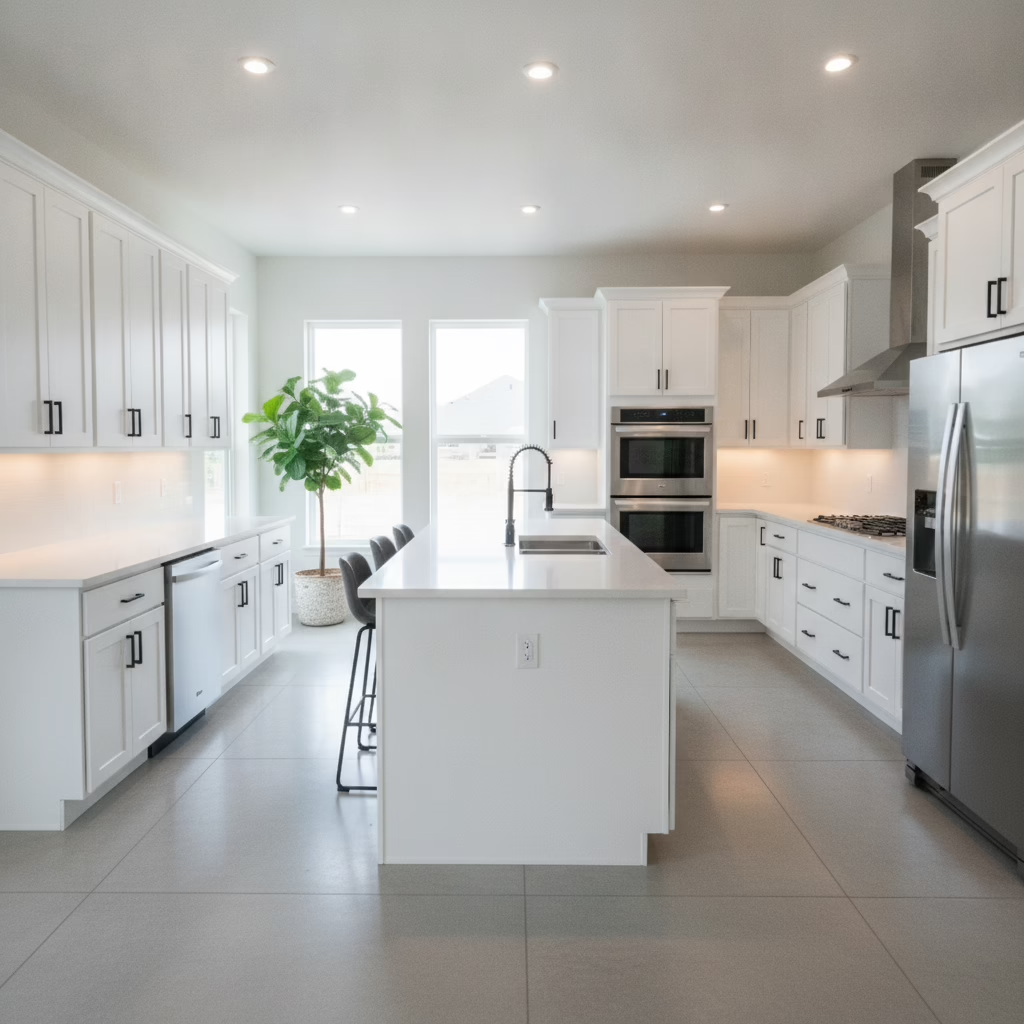
Kitchen design and remodel is the complete planning-to-installation process that reshapes how your kitchen looks and works. It covers layout, cabinetry, counters, lighting, storage, and ventilation—managed in defined stages. In the 11 Edvac Drive area, Altima Kitchens and Closets delivers this end-to-end service with in-house design, factory-direct cabinetry, and professional installation.
By Ashok • Last updated: 2026-06-28
Above-Fold Summary & Table of Contents
Plan your kitchen remodel by aligning space planning, storage, lighting, and ventilation with your daily routines. Use a clear, design-build workflow: discover needs, model in 2D/3D, finalize materials, manufacture, then install with scheduled milestones. This guide outlines layouts, best practices, checklists, tools, and GTA-specific examples to help you move from idea to reality.
- What “kitchen design and remodel” means and what’s included
- Why great design improves function, safety, and long-term value
- How a professional design-build workflow runs step by step
- Layout types, refresh vs refacing vs full replacement
- Best-practice dimensions, ventilation, lighting, and storage
- Tools/resources: 2D/3D previews, checklists, accessories
- GTA case studies and local considerations for 11 Edvac Drive
- FAQs and a simple next-step plan
What Is Kitchen Design and Remodel?
Kitchen design and remodel is an end-to-end renovation approach that combines space planning, material selection, custom fabrication, and installation. It translates your routines into ergonomic layouts, durable finishes, smart storage, and layered lighting—then builds it on schedule. The outcome is a kitchen that looks beautiful, works better, and stays easy to maintain.
At Altima Kitchens and Closets, “design and remodel” means one accountable team driving discovery, drawings, manufacturing, and installation. You see your future kitchen in 2D and 3D before build, then it’s produced in our factory and installed by in-house crews.
- Scope: space planning, cabinets, counters, backsplash, flooring, lighting, ventilation, storage accessories, and project coordination.
- Standards: practical aisle widths (42–48 inches), landing zones near appliances (12–15 inches), and clear walk paths.
- Visualization: 2D floor plans and 3D renders reduce uncertainty and speed decisions.
- Quality controls: factory-built cabinetry and scheduled site checks keep installation on track.
Self-contained note: A complete kitchen remodel includes planning, selections, shop drawings, coordinated trades, and installation handoff. When handled by one design-build firm, you get fewer delays, clearer communication, and consistent fit-and-finish from cabinet box to final hardware.
Why Kitchen Design and Remodel Matters
Great kitchen design improves safety, ergonomics, storage, and indoor air quality, while a coordinated remodel preserves schedule and craftsmanship. Done right, you gain smoother prep, safer clearances, brighter task lighting, better ventilation, and finishes that hold up to daily life.
For most homes, the kitchen is the highest-use room. Thoughtful layouts reduce steps, lower strain, and prevent traffic jams. Ventilation captures heat and steam, while layered lighting—ambient, task, and accent—keeps work zones bright and comfortable.
- Function first: work zones (prep, cook, clean, store, serve) map to how you actually move.
- Safety and comfort: correct clearances lower trip hazards and improve accessibility.
- Durability: hard-wearing, moisture-resilient surfaces maintain their look longer.
- Confidence: itemized scopes and drawings reduce surprises during installation.
Self-contained note: A practical remodel upgrades mechanicals (venting, lighting), storage (pull-outs, pantries), and surfaces (quartz, high-quality finishes) to deliver daily utility. With one team coordinating trades, timelines become predictable and quality remains consistent.
How a Professional Kitchen Remodel Works (Step by Step)
A reliable kitchen remodel follows a defined workflow: discovery, measurement, 2D/3D design, selections, factory manufacturing, scheduled installation, and quality verification. Clear milestones and single-team accountability reduce delays, preserve finish quality, and ensure what you saw in design is what’s delivered.
- Discovery & goals: clarify routines, must-haves, and inspiration.
- Site measure: verify dimensions, utilities, and constraints.
- 2D/3D design: review layouts, elevations, and storage plans.
- Selections: cabinets, counters, backsplash, hardware, lighting—all in one showroom.
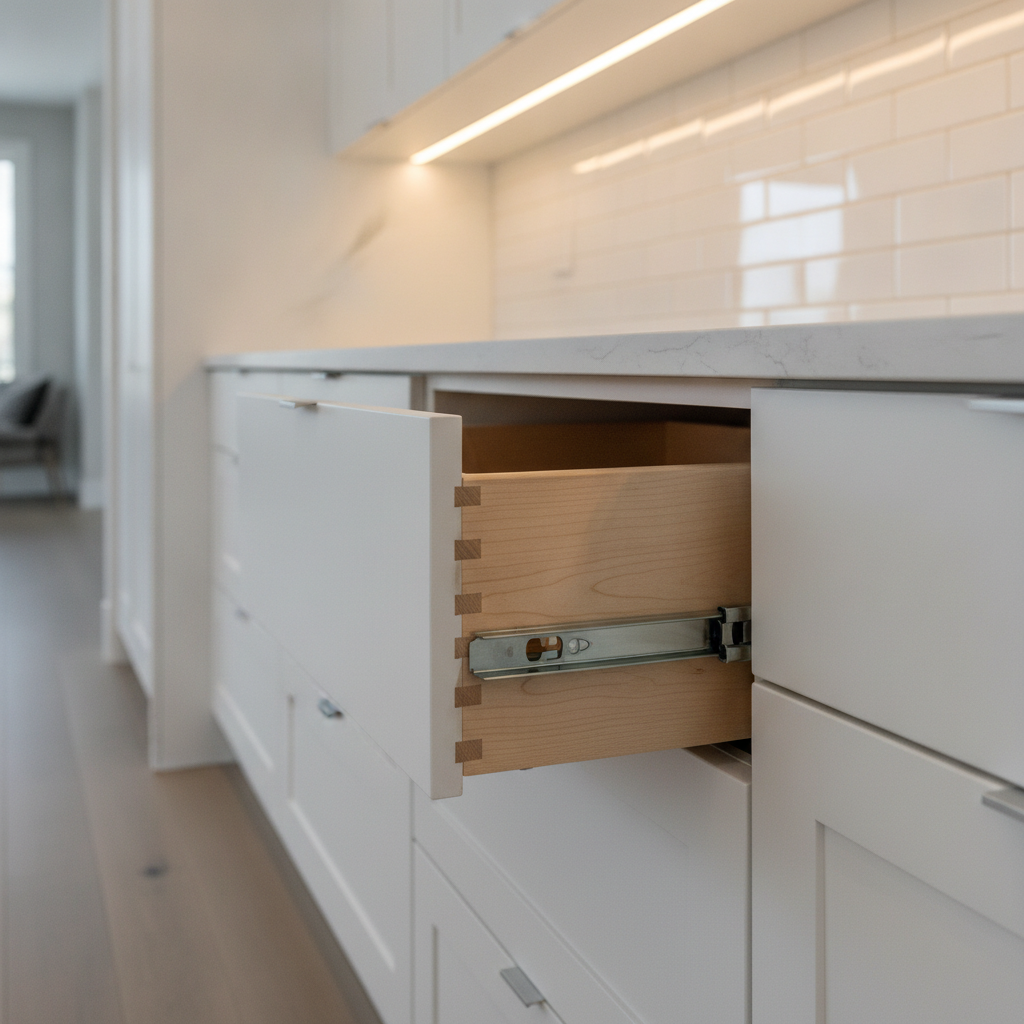
- Factory manufacturing: CNC precision for cabinet boxes and doors; controlled spray finishes.
- Installation: scheduled phases for demolition, mechanicals, cabinetry, counters, tile, and finishing.
- Quality handoff: walkthrough, adjustments, and documentation.
In our experience, predictable sequencing keeps homes livable and avoids rework. For additional context on typical scheduling considerations, see this practical overview of kitchen remodel timelines. Altima’s in-house crews coordinate trades to match fabrication readiness, which reduces on-site idle time and maintains finish quality.
Self-contained note: Transparent milestones—design approvals, order release, delivery windows, and install phases—give homeowners clear expectations. A single accountable team simplifies communication and helps ensure on-time completion.
Types and Approaches: Layouts, Refresh vs Refacing vs Full Replacement
Choose a layout that fits traffic and workflow—galley, L-shape, U-shape, island, or peninsula—then decide scope: cosmetic refresh, cabinet refacing, partial replacement, or full remodel. The right match balances disruption with impact, storage gains, and long-term durability.
Common kitchen layouts
- Galley: two parallel runs maximize efficiency in smaller spaces.
- L-shape: open feel with corner storage solutions like lazy Susans.
- U-shape: generous prep space; ensure 42–48 inch aisles.
- Island: adds seating, prep, and storage; plan clear walk paths.
- Peninsula: island benefits without full circulation space.
Scope options
- Cosmetic refresh: backsplash, hardware, lighting, and paint for a quick uplift.
- Cabinet refacing: new doors/drawers and applied panels on existing boxes.
- Partial replacement: new cabinetry where needed; keep sound components.
- Full remodel: redesigned layout, new cabinetry, counters, lighting, and venting.
| Approach | When it fits | Typical outcomes |
|---|---|---|
| Refresh | Solid layout; surfaces feel dated | New look, minimal disruption |
| Refacing | Boxes are sturdy; style needs change | Updated fronts, faster timeline |
| Partial Replace | Some areas need redesign | Targeted improvements, added storage |
| Full Remodel | Layout is inefficient or failing | New workflow, lighting, ventilation |
Curious about the difference between refacing and replacing? This practical cabinet refacing explainer outlines what changes and what typically stays. If you’re comparing full-scope changes, our in-depth kitchen renovation guide explores design-build benefits and trade coordination.
Self-contained note: Matching scope to goals prevents overbuilding. If boxes are solid and the layout is practical, refacing plus storage accessories can hit your goals faster. If traffic bottlenecks or poor lighting slow you down, a full remodel resets the plan for long-term performance.
Best Practices: Dimensions, Ventilation, Lighting, Storage
Prioritize safe clearances, bright task lighting, strong ventilation, and storage that comes to you. Plan 42–48 inch aisles, 12–15 inch landing zones, layered lights, and venting that actually captures steam and odors. Add pull-outs, dividers, and organizers so everything has a reachable place.
Ergonomics and clearances
- Maintain 42–48 inch aisle widths; allow more behind seating.
- Land 12–15 inches of counter on each side of cooktops and sinks.
- Place microwaves 15 inches below shoulder height for easy reach.
- Keep dishwashers adjacent to sinks; allow door clearance.
Ventilation and lighting
- Right-size the range hood so steam and smoke are actually captured.
- Use under-cabinet LEDs for shadow-free prep; add dimmers for comfort.
- Layer ambient, task, and accent lights to fit different moments.
Durable, easy-care materials
- Quartz counters for stain and scratch resistance.
- Quality cabinet boxes with soft-close hardware and sturdy shelves.
- Moisture-aware finishes near sinks and dishwashers.
For a broader pitfalls checklist, this practical guide to avoiding remodel mistakes pairs well with our own contractor coordination guide. Want design inspiration? Explore real transformations in our before-and-after kitchen ideas.
Self-contained note: Good design couples dimensions with behavior. When clearances fit your routines, traffic flows, lighting supports prep and cleanup, and strong venting keeps air fresh. Durable finishes protect the investment and reduce long-term maintenance.

Tools and Resources to Plan Your Remodel
Use visual planning tools and organized checklists to make decisions faster. Combine 2D/3D design previews, showroom sample reviews, accessory planning, and a simple milestone tracker. With everything under one roof, you avoid vendor handoffs and keep the schedule moving.
- 2D/3D previews: compare layouts, finishes, and lighting in lifelike views.
- Showroom selections: cabinets, hardware, counters, backsplash, lighting.
- Accessories plan: pull-out pantry, spice pull-outs, tray dividers, lazy Susan.
- Lighting plan: under-cabinet LEDs, valance lighting, dimmers, task spots.
- Milestone tracker: approvals, order release, delivery, installation phases.
- Warranty docs: keep serials, finish specs, and care guides together.
For a structured way to coordinate teams, see how a unified approach reduces gaps in our design-build overview. If you’re just starting, skim our kitchen design concept guide for space-saving ideas that pair well with full-scope renovations.
Self-contained note: Clear documentation—drawings, selections, and a simple schedule—unlocks confident, quick decisions. When design, manufacturing, and installation live under one roof, questions get answered faster and your project stays on track.
Case Studies and Examples from the GTA
Real projects show how layout, storage, and lighting choices play out at home. These GTA scenarios highlight designs that reduced steps, added prep space, and improved air quality—using Altima’s in-house design, factory-built cabinetry, and coordinated on-site installation.
Brampton family: more prep, less clutter
- Problem: crowded galley with poor lighting and no landing near the fridge.
- Plan: L-shape with an island for prep; under-cabinet LEDs; quartz counters.
- Result: faster weeknight cooking, safer clearances, and better breakfast flow.
Toronto condo: storage without closing the room
- Problem: minimal pantry space and tight dishwasher clearance.
- Plan: shallow pantry pull-outs, a peninsula, and right-sized venting.
- Result: more storage per square foot and smoother cleanup.
Vaughan homeowner: pantry + media wall combo
- Problem: oversized table area; no dedicated pantry.
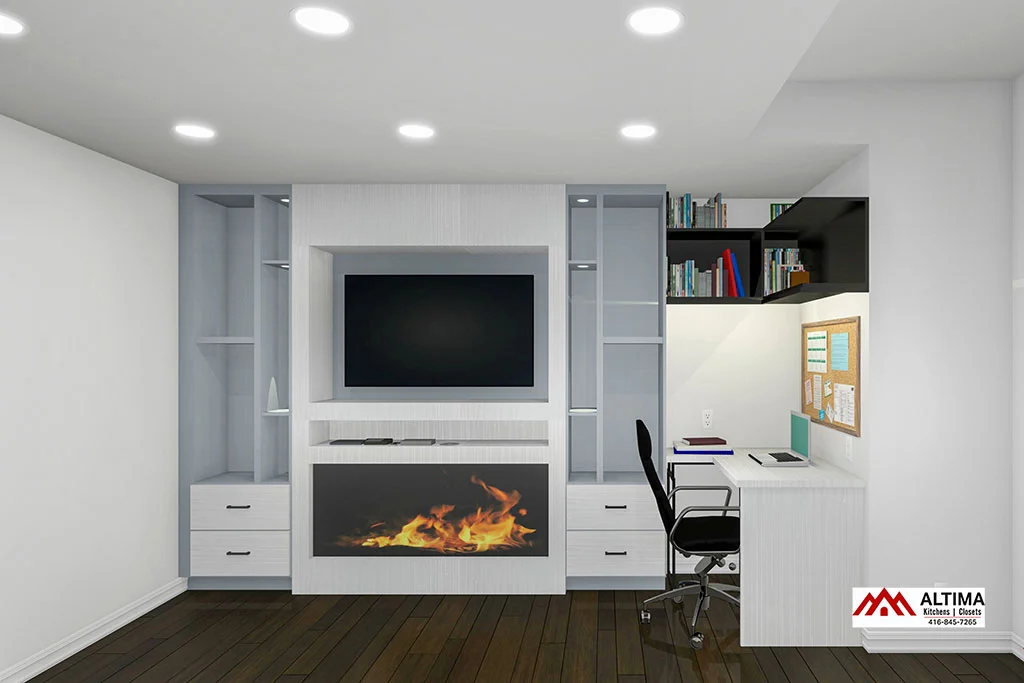
- Plan: U-shape kitchen with tall pantry cabinets and a custom media wall.
- Result: defined zones for cooking and entertainment with unified finishes.
Self-contained note: Whether it’s a family home near Bottomwood Park or a condo closer to the Williams Pkwy bus corridor, the best remodels tune layout, lighting, and storage to how people live. Design-build delivery then protects finish quality and keeps days on site predictable.
Local considerations for 11 Edvac Drive
- Plan showroom visits around traffic near Williams Pkwy at 2500 Williams Pkwy to make selections efficiently in one trip.
- Seasonal tip: schedule countertop templating to avoid winter weather delays at handoff; it keeps install phases smooth.
- If you’re visiting with kids, a quick stop at Bottomwood Park can make longer selection sessions easier.
Free technical walkthrough: Book a no-obligation design chat to see 2D/3D options, accessories, and finish samples—all under one roof. Schedule your visit.
Frequently Asked Questions
Most homeowners ask about timelines, permits, cabinet refacing versus replacement, and how trades are coordinated. A single design-build team answers these upfront, provides drawings and documentation, and manages a milestone-based schedule from demolition to handoff.
How long does a kitchen remodel usually take?
Lead times depend on design approvals, fabrication windows, and site conditions. Many projects run on a milestone schedule—from design signoff to installation handoff—to keep days on site predictable. For general context on sequencing, explore this overview of typical remodel timelines.
Do I need permits for my kitchen redesign?
Permit needs depend on structural and mechanical changes. Layout shifts, electrical updates, new venting runs, or plumbing moves generally require permits. Your design-build team clarifies scope during the site measure and helps coordinate any required inspections.
What’s the difference between refacing and replacing cabinets?
Refacing keeps existing cabinet boxes while updating doors, drawer fronts, and exposed panels. Replacing installs new cabinet boxes and interiors, which can unlock layout or storage changes. If boxes are sturdy and the layout works, refacing is a faster, lower-disruption path to a new look.
How do you coordinate multiple trades without delays?
A single project schedule maps demolition, mechanicals, cabinetry, counters, tile, and finishing to fabricator delivery windows. One accountable team reduces gaps between steps, keeps communication clear, and protects finish quality throughout installation.
Conclusion: Key Takeaways & Next Steps
The best kitchen remodels start with behavior-driven layouts, clear documents, and unified delivery. Lock design and selections early, align factory timelines with site work, and track milestones. With one accountable team, you’ll protect schedule, finish quality, and daily usability.
Key takeaways
- Start with space planning and real routines; pick the right scope for your goals.
- Use 2D/3D previews to compare options before anything is built.
- Target safe clearances, layered lighting, and right-sized ventilation.
- Choose durable finishes and storage that brings items to you.
- Rely on a single design-build team for accountability and pace.
Next steps
- Skim our design concept guide for layout ideas.
- Explore transformations in before-and-after kitchens.
- Learn how unified delivery works in our design-build overview.
- Book a consult near the 11 Edvac Drive area to review 2D/3D options and samples.
Ready to get started? Book a discovery session in the 11 Edvac Drive area and see how a design-build approach makes your remodel smoother from first sketch to final install. Contact Altima Kitchens and Closets.
Related Posts
Why Choose Kitchen Renovation Company
Nowadays, Kitchen spaces are not only a place for cooking and serving food, but these areas act as a statement, as they speak a lot about a family, the philosophy and personality of individuals, and spaces. If you admire aesthetics and adorn the beauty of your home, you must pay attention to the interior design […]
How a Kitchen Renovation Contractor is Changing the Game
Lifestyle is all about bringing something coherent to the overall experience of living. The kitchen and closets stand as two of the most influential spaces in a home that add to the overall experience of living. A Kitchen Renovation Contractor in Whitby by the name of Altima Kitchen and Closets Inc. is changing the overall […]
How Media unit contractor in Whitby is Changing the Game
Lifestyle is all about bringing something coherent to the overall experience of living. The kitchen and closets stand as two of the most influential spaces in a home that add to the overall experience of living. A Media Unit Company in Whitby by the name of Altima Kitchen and Closets Inc. is changing the overall […]