Full Home Renovation: Save Money and Stress Less in 2026
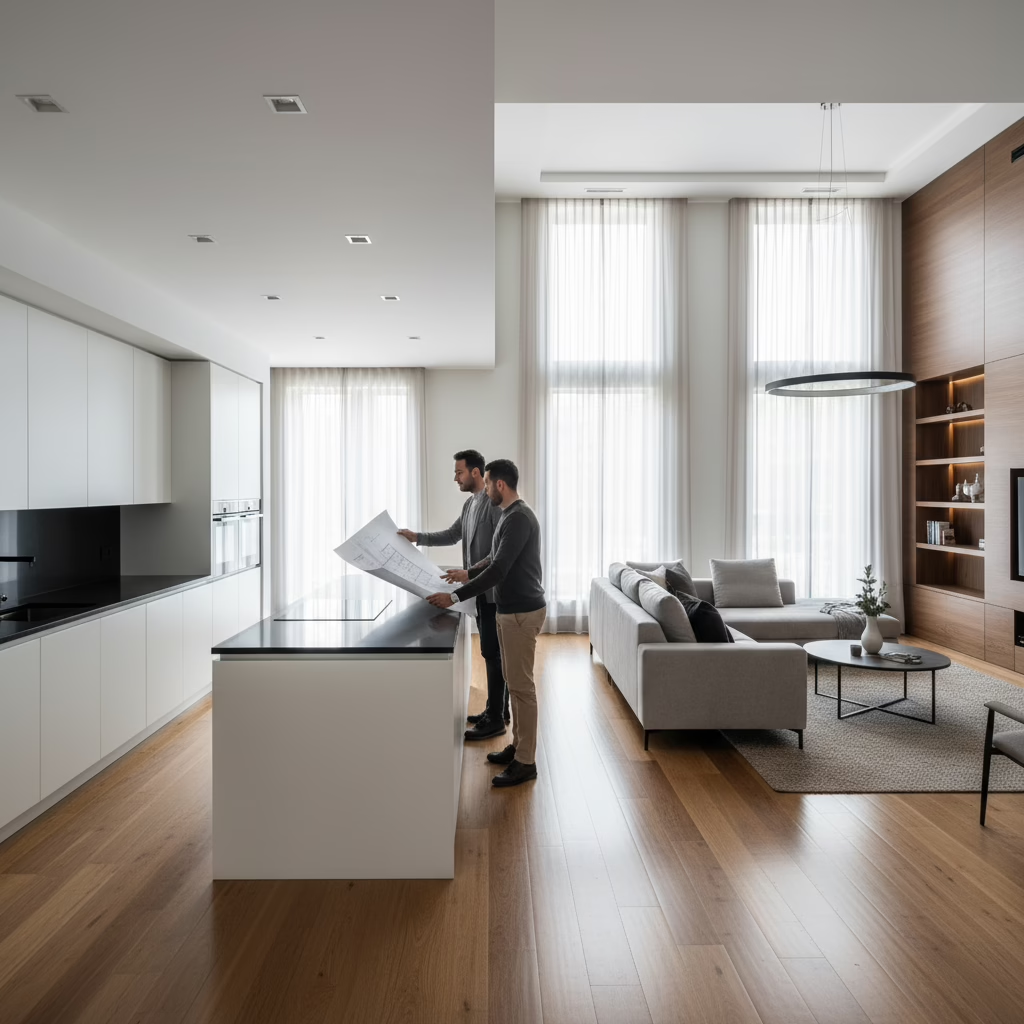
Full home renovation is a complete, end-to-end transformation of your house—planning, design, permits, fabrication, and installation—so spaces work and look better together. From our 11 Edvac Drive base in the GTA, Altima Kitchens and Closets delivers design-build service with in-house manufacturing to minimize delays, control quality, and keep your project on track.
By Ashok, Altima Kitchens and Closets 0 | 0 Last updated: May 15, 2026
Quick Overview
A successful whole-home remodel follows a clear path: assess goals, design in 2D/3D, finalize materials, secure permits, fabricate cabinetry, and install with a coordinated crew. Altimas design-build model compresses timelines by keeping designers, factory, and installers under one roof, which reduces rework and scheduling gaps across kitchens, bathrooms, closets, and basements.
Renovations get overwhelming fast. This guide simplifies your full home renovation with a proven, step-by-step roadmap used across GTA projects.
- What a whole-home renovation includes (and what it doesnt)
- How design-build service reduces stress and saves time
- Phased workflow: discovery, design, permits, fabrication, install
- Room-by-room considerations for kitchens, baths, closets, basements
- Best practices for timelines, quality control, and change management
- Factory-direct cabinetry advantages and lifetime-door warranties
- How Altima supports visualization, selections, and communication
Local considerations for 11 Edvac Drive
- Book showroom appointments ahead of peak evenings and weekends; it helps you complete selections in one visit with our full material library.
- Plan lead times around seasonal demand; late spring and fall are busy for kitchens and basements across the GTA, so lock design decisions early.
- Condo projects need board approvals and elevator bookings; our team sequences deliveries and install windows to fit building operations.
What Is Full Home Renovation?
Full home renovation is a coordinated redesign and rebuild of multiple spaces in one projectkitchens, bathrooms, closets, basements, floors, lighting, and millworkso the whole house functions as a unified system. The goal is better flow, storage, durability, and comfort, delivered through one plan, one schedule, and one accountable team.
Think of it as aligning your entire home to how you live now. Instead of fixing rooms piecemeal, you sequence updates together so finishes match, cabinetry lines up, and infrastructure upgrades (electrical, plumbing, HVAC, lighting) support every space.
- Scope: Kitchen layouts, bathroom wet zones, closet systems, basement finishing, flooring, tiling, media walls, and custom millwork.
- Coordination: One design language carries through cabinets, counters, backsplashes, hardware, lighting, and paint.
- Outcome: Cohesive style, smarter storage, stronger resale story, and simplified maintenance.
At Altima, we plan and fabricate much of the work in-house. Factory-direct cabinetry, 2D/3D design, and professional installation reduce touchpoints and help keep your full home renovation moving without unnecessary stops and starts.
Why a Whole-Home Remodel Matters in 2026
A whole-home approach eliminates mismatched finishes, duplicate trades, and change-order headaches. With one design-build partner, you get unified drawings, synchronized schedules, and warranty-backed workmanship. The result: fewer disruptions, consistent quality, and spaces that look and perform like they were planned together from day one.
Heres the thing: scattered, room-by-room updates often create visual and functional seams. Counter heights dont align, lighting color temperatures clash, and storage feels random. A comprehensive plan prevents this while streamlining permits, inspections, and deliveries.
- Design consistency: Matching door profiles, finishes, and hardware across rooms magnifies perceived space.
- Time efficiency: Coordinated trades reduce downtime between phases and repeat site visits.
- Single warranty path: One accountable team means straightforward support if you need service.
- Future-proofing: Infrastructure upgrades (dedicated circuits, GFCI/AFI protection, drainage improvements) are easier when planned together.
Weve found that homeowners feel less stress when decisions are sequenced through our showroom instead of scattered across vendors. You make final choices once, we document them in your drawings, and our factory builds to spec.
How a Full-Home Renovation Works (Start to Finish)
The best process follows clear stages: discovery, site measures, 2D/3D design, selections, permits, fabrication, installation, and sign-off. Altimas in-house designers, factory, and installers collaborate daily, which compresses handoffs and keeps your kitchen, bath, closet, and basement scopes moving together.
Below is a high-level map of the workflow we use for GTA projects.
| Phase | What Happens | Your Role | Altimas Role |
|---|---|---|---|
| Discovery | Goals, style, storage needs, timeline alignment | Share priorities and wish lists | Guide scope, identify constraints, advise options |
| Site Measures | Laser measurements, photos, infrastructure review | Provide access and existing plans | Capture dimensions, verify conditions |
| 2D/3D Design | Layouts, elevations, renderings, revisions | Review designs and give feedback | Produce drawings and refine ergonomics |
| Selections | Cabinet doors, counters, backsplash, flooring, accessories | Decide finishes in our showroom | Advise durability and maintenance fit |
| Permits | Submit plans where required, schedule inspections | Sign documents as owner | Coordinate drawings and applications |
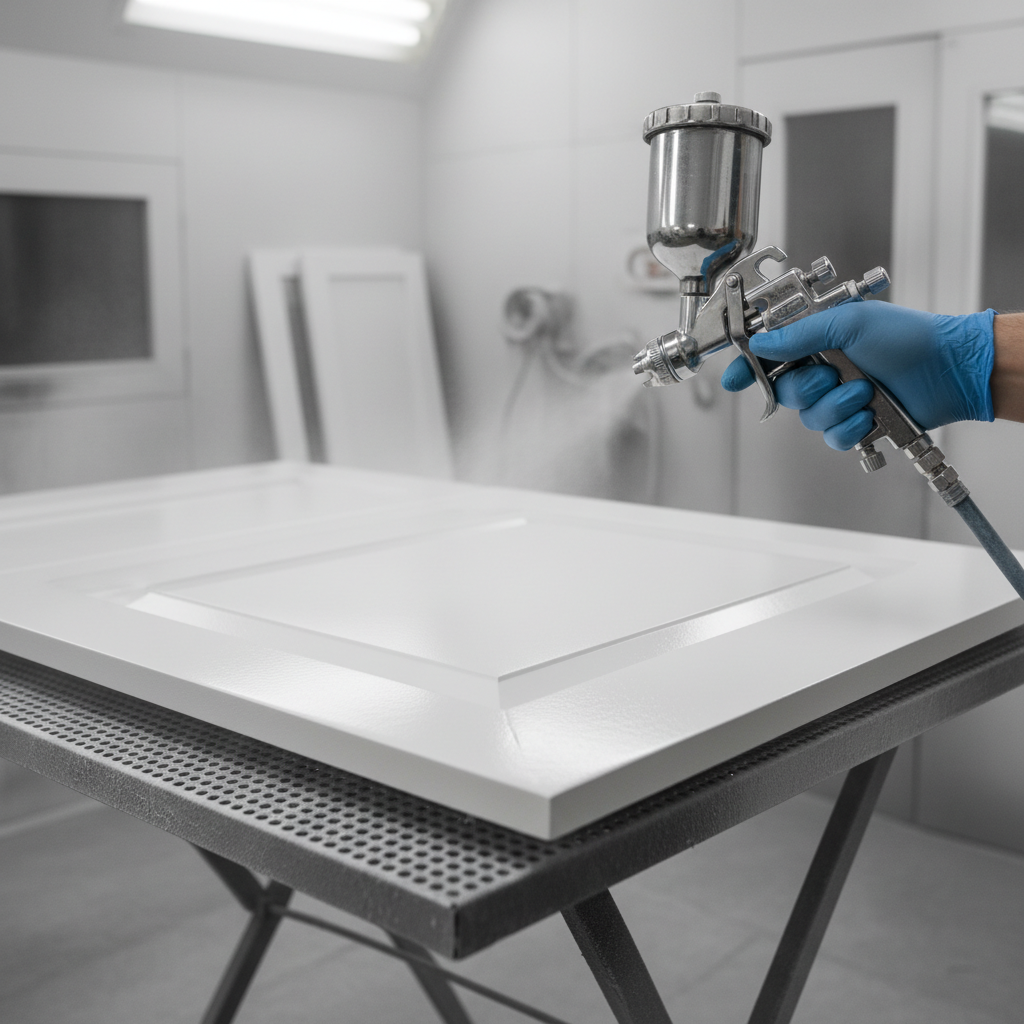
| Fabrication | Factory production, finishing, quality checks | Approve final specs | Build with Italian CNC and spray booth |
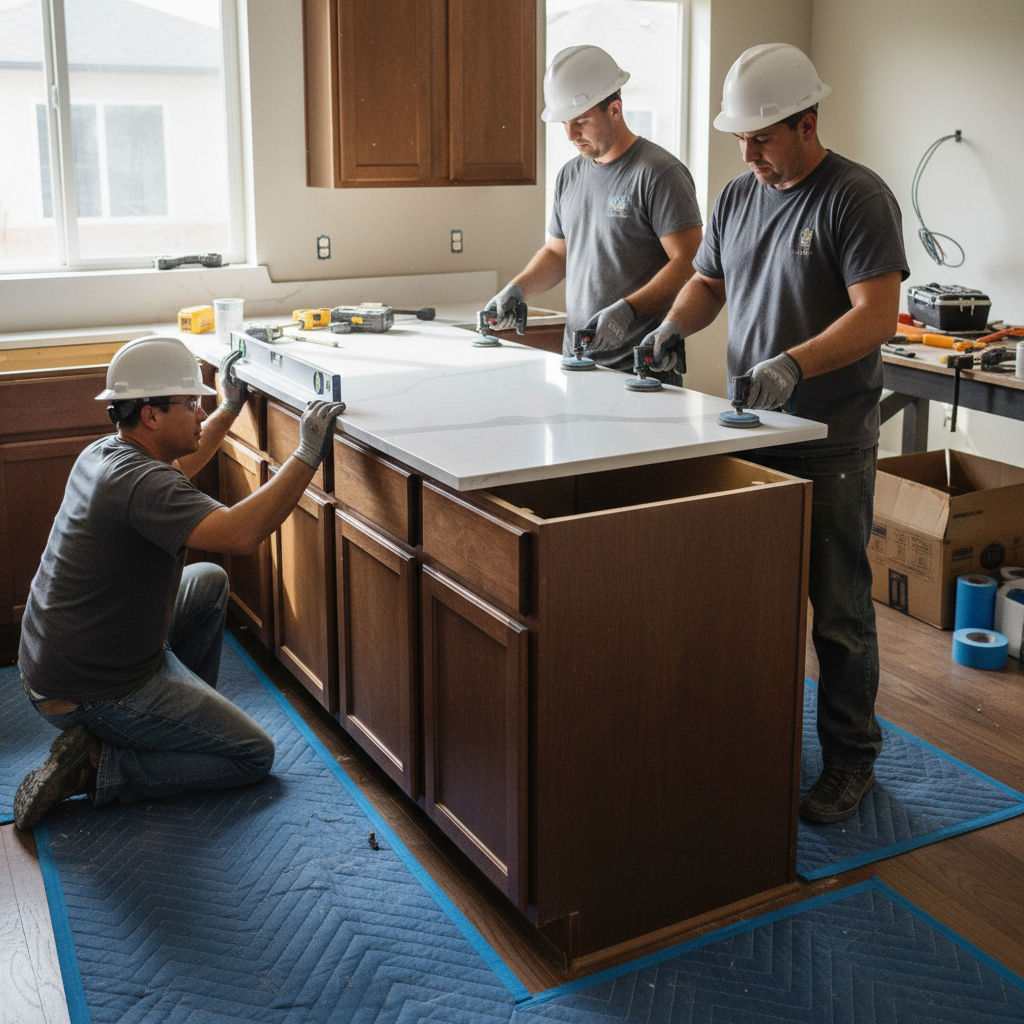
| Installation | Coordinated on-site work by trade teams | Prepare rooms and pathways | Manage schedule, protect areas, install |
| Sign-off | Walkthrough, punch list, warranty | Confirm completion | Close out documentation, aftercare tips |
Want a deeper dive on design-build mechanics? Explore our design-build remodel guide to see how single-team accountability saves time.
Milestones that keep projects on track
- Design lock: Final drawings and selections signed before fabrication.
- Pre-site checklist: Clear pathways, protect flooring, confirm appliance specs.
- Sequenced installs: Set cabinets before counters; verify plumbing and electrical before backsplashes.
- Quality gates: Factory checks and on-site inspections at each phase.
For more on scheduling pitfalls and how to avoid them, see our renovation timeline guide.
Approaches and Scopes You Can Choose
You can execute a full home renovation via a single design-build partner or through self-managed, multi-contractor coordination. Design-build centralizes accountability, compresses timelines, and ensures consistency. Self-managing can work for narrow scopes, but it increases handoffs, vendor risk, and the likelihood of mismatched finishes.
Design-Build vs. Multi-Contractor
| Factor | Design-Build (Altima) | Multi-Contractor |
|---|---|---|
| Accountability | Single point of contact, unified warranty | Split responsibility, finger-pointing risk |
| Timeline | Coordinated schedule; factory + install alignment | Gaps between trades; rescheduling delays |
| Visualization | 2D/3D drawings across rooms | Inconsistent drawings per contractor |
| Change management | Tracked in one system | Manual updates, miscommunication risk |
| Finish consistency | Coordinated doors, counters, hardware | Potentially mismatched components |
Curious how unified planning impacts your kitchen? Our smart kitchen planning guide shows how early choices avoid downstream clashes.
Typical whole-home scope elements
- Kitchen: Custom cabinetry, quartz counters, backsplash, pantry systems, lighting.
- Bathrooms: Vanities, tiled showers, waterproofing, ventilation, mirrors, lighting.
- Closets: Built-ins, drawers, hanging zones, shoe storage, lighting, mirrors.
- Basement: Family room, media wall, wet bar, bathroom, flooring, storage.
- Floors & trim: Hardwood, engineered products, tile; baseboards and casings.
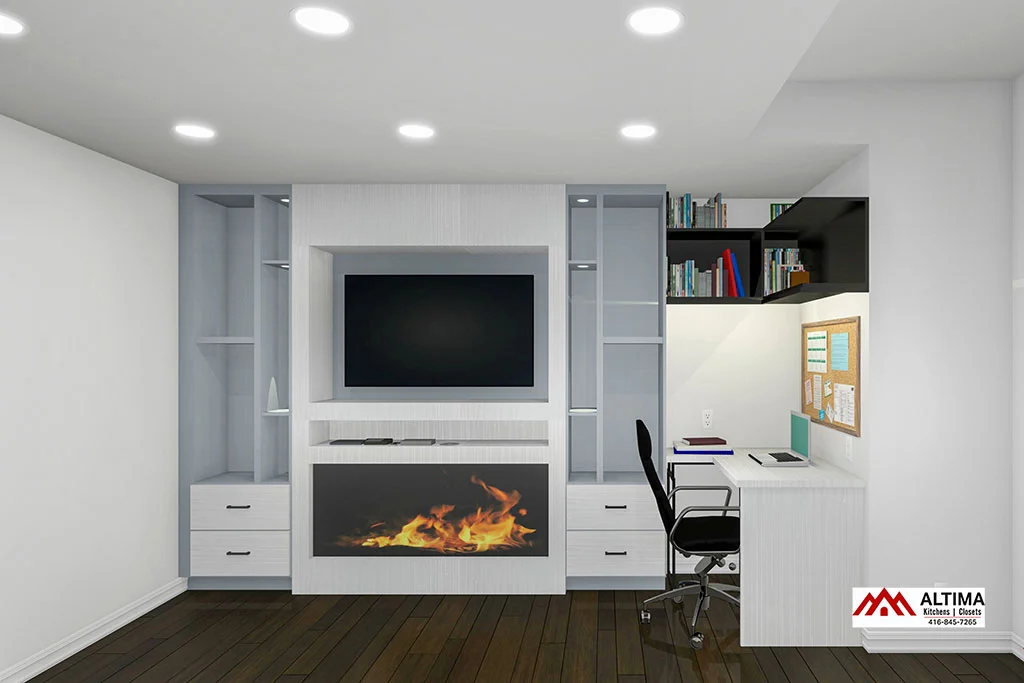
- Media units: Feature walls, fireplace surrounds, integrated wiring pathways.
Considering cabinet refacing as part of a phased plan? Review this overview of cabinet refacing contractors for context on when refacing makes sense versus full replacement.
Best Practices to Avoid Delays and Rework
Lock decisions early, consolidate vendors, and verify site conditions before fabrication. Use 2D/3D drawings to pressure-test layouts, finalize appliance specifications, and confirm electrical and plumbing points. Protect pathways, plan deliveries, and run a punch-list at every milestone to keep your full home renovation predictable.
Decisions that de-risk your project
- One showroom, all selections: Make door, counter, tile, and hardware choices together so undertones match.
- Confirm rough-ins early: Dedicated circuits, GFCI/AFI protection, and venting save rework later.
- Appliance-first design: Layouts should wrap around exact appliance models and clearances.
- Moisture management: Use waterproofing membranes in wet zones and ventilation that actually moves air.
Our team documents every selection in your drawings. For bathrooms, we align vanity sizes, mirror heights, and lighting so you get consistent sightlines house-wide. See our bathroom renovation guide for layout and materials tips.
Tools, Materials, and Resources We Use
Altima manufactures cabinetry with Italian CNC machinery and a professional spray booth for durable finishes. We pair quartz counters, quality hardware, and purpose-built organizers, then install with a coordinated crew. The result is factory precision, consistent color, and fit that aligns across kitchens, baths, closets, and media units.
- Cabinetry: Factory-direct boxes and doors; lifetime warranties on MDF Painted and Prelaminated doors.
- Surfaces: Quartz countertops, large-format porcelain, durable grout systems.
- Hardware: Soft-close hinges and slides, integrated lighting, organizers (spice pull-outs, lazy susans, pull-out pantries).
- Drawings: 2D plans and realistic 3D renderings for confident decision-making.
- Project control: Itemized quotes, documented revisions, WhatsApp progress updates as clients prefer.
For deeper cabinet door basics, heres a primer on standard vs custom cabinet doors that outlines common profiles and considerations.
Case Studies: GTA Projects and Lessons Learned
Coordinated planning across rooms prevents surprises. In our GTA projects, early appliance specs, consistent door profiles, and sequenced installs reduced punch-list items and change orders. These snapshots show how a single design language and factory-direct cabinetry elevate everyday function while keeping timelines predictable.
Open-concept kitchen + media wall
A Toronto semi needed a brighter core. We moved the fridge to create a wider prep zone, added a large island with seating, and built a matching media wall so finishes carried into the living area. The family gained storage, continuous sightlines, and a logical TV focal point.
Primary bath + closet suite
In Mississauga, we paired a double-vanity bath with a walk-in closet featuring drawers and dedicated hanging zones. Mirror and sconce heights match the vanity proportions, and the closet uses the same door profile for a consistent look when doors are open.
Basement family hub
For a Brampton home, we finished a basement with a media wall, wet bar, resilient flooring, and a guest bath. The result: a secondary living space with ample storage that absorbs weekend traffic and keeps the main floor calm.
Condo kitchen with board constraints
A downtown condo required tight coordination with the board. We created a compact L-shaped kitchen with a pull-out pantry and valance lighting. Elevator bookings and quiet hours shaped delivery windows, but the design-build approach kept the schedule intact.
Wondering how to prioritize spaces? Our custom home makeovers guide walks through sequencing kitchens, baths, and closets for the biggest daily impact.
Frequently Asked Questions
Homeowners ask about timelines, permits, living through renovations, and whether to phase or do it all at once. The short answer: align decisions early, consolidate vendors, and plan logistics. Here are crisp answers to the most common questions we hear in the GTA.
What does a full home renovation include?
It typically combines kitchen, bathrooms, closets, flooring, basement finishing, lighting, and custom millwork under one coordinated plan. We align design, drawings, and installation so finishes match and infrastructure supports every space.
Is it better to renovate all at once or in phases?
If you can, one coordinated project gives you consistent finishes and fewer disruptions. Phasing is possible, but it requires careful planning to keep colors, profiles, and hardware consistent as you progress.
Do I need permits for a whole-home remodel?
Permits depend on scope. Structural changes, new plumbing runs, or electrical upgrades usually require approvals and inspections. We help prepare drawings and coordinate applications so work proceeds correctly.
How will we live through construction?
We sequence work to reduce disruptions, protect pathways, and maintain essential access. Some clients set up a temporary kitchenette or shift routines for a few weeks. Clear communication minimizes surprises.
Conclusion and Next Steps
The most reliable path to a successful whole-home remodel is a single, accountable team using documented drawings and factory-direct production. Lock decisions in a showroom, coordinate permits, and install with a sequenced plan. Thats how projects finish on time and look like one cohesive design.
Key takeaways
- Unify design across rooms to avoid mismatched finishes.
- Use 2D/3D drawings to pressure-test layouts and storage.
- Centralize accountability with a design-build partner.
- Protect pathways and schedule inspections around key installs.
- Document selections once; build to spec in the factory.
Soft consultation invite
Ready to map your full home renovation? Visit our GTA showroom or start with our custom kitchen guide and design-build overview. Well help you visualize, select, and schedule without juggling multiple vendors.
For bathroom planning inspiration, this quick read on the benefits of bathroom remodeling can spark ideas for ventilation, waterproofing, and fixture choices that stand up to daily use.
Next step: Book a discovery chat and 3D walkthroughwe love turning complex projects into simple, stepwise plans you can trust.
Continue Your Planning
Build momentum by learning the sequence: confirm goals, finalize drawings, complete selections, then schedule fabrication and install. These resources clarify critical decisions and help you avoid change orders during your full home renovation.
Dig deeper with our in-depth resources: start with the kitchen planning roadmap, explore whole-home sequencing in the custom home renovation guide, and review timelines in our project management timeline. If youre comparing methods, revisit our design-build primer. Considering a light-touch update for cabinets? Heres a quick perspective on cabinet refacing and when it fits.
Related Posts
Why Choose Kitchen Renovation Company
Nowadays, Kitchen spaces are not only a place for cooking and serving food, but these areas act as a statement, as they speak a lot about a family, the philosophy and personality of individuals, and spaces. If you admire aesthetics and adorn the beauty of your home, you must pay attention to the interior design […]
How a Kitchen Renovation Contractor is Changing the Game
Lifestyle is all about bringing something coherent to the overall experience of living. The kitchen and closets stand as two of the most influential spaces in a home that add to the overall experience of living. A Kitchen Renovation Contractor in Whitby by the name of Altima Kitchen and Closets Inc. is changing the overall […]
How Media unit contractor in Whitby is Changing the Game
Lifestyle is all about bringing something coherent to the overall experience of living. The kitchen and closets stand as two of the most influential spaces in a home that add to the overall experience of living. A Media Unit Company in Whitby by the name of Altima Kitchen and Closets Inc. is changing the overall […]