Custom Closet Organizer: Compare Options & Pick Better (2026)
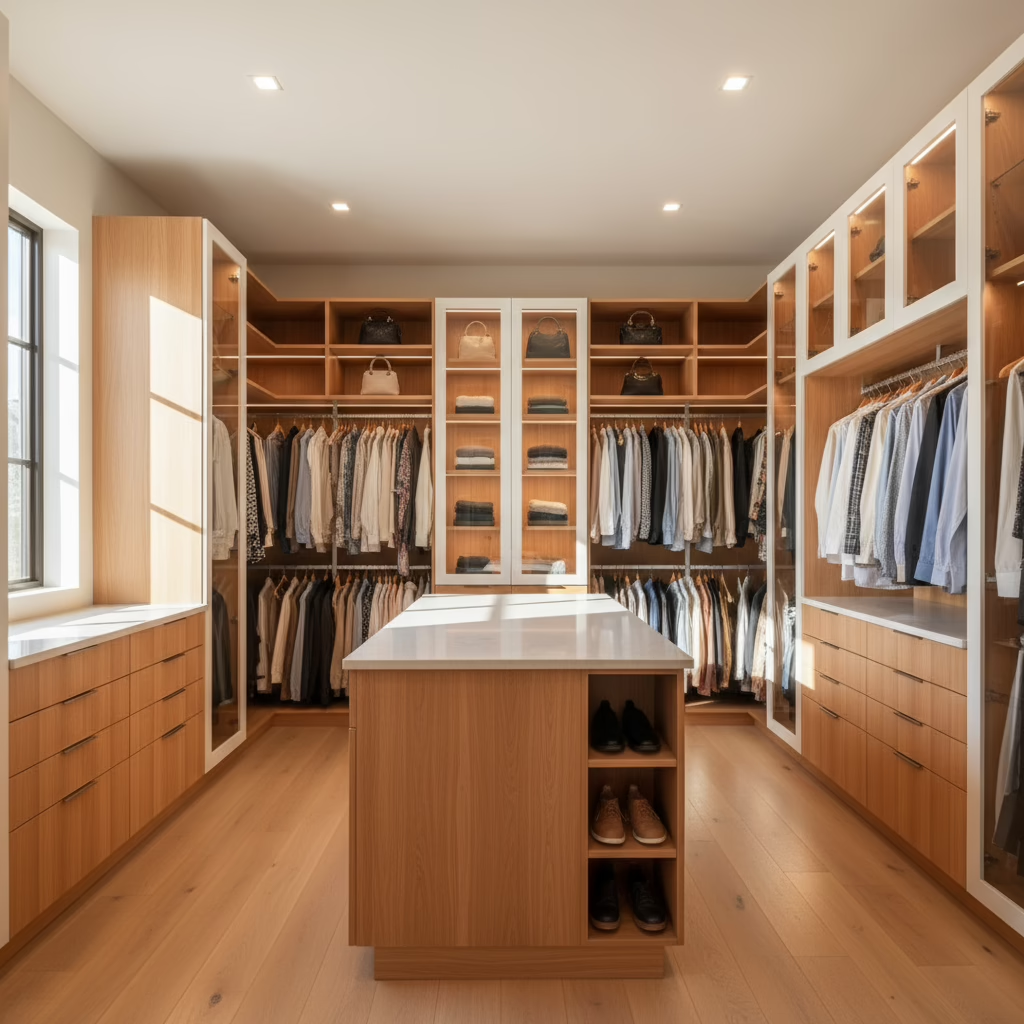
A custom closet organizer is a tailored storage system that maximizes every inch of your closet using made-to-measure shelves, rods, drawers, and accessories. At 11 Edvac Drive, Altima Kitchens and Closets designs, manufactures, and installs these systems in-house. The result is faster timelines, precise fits, and a cleaner daily routine for GTA homeowners.
By Ashok, Altima Kitchens and Closets • Last updated: 2026-06-05
Above the Fold: Why this guide and what you’ll learn
Use this expert guide to choose a custom closet organizer with confidence. You’ll see how systems work, which materials last, what accessories add real function, and how Altima’s in-house design-build process turns ideas into precise, factory-made results for GTA homes—without juggling multiple vendors.
Here’s the thing—clutter steals time and energy every single day. A well-planned custom closet organizer restores order, speeds up mornings, and protects clothes. In this complete guide, we share what actually works in homes across the GTA and how to avoid common mistakes.
- What a custom closet organizer is and why it matters
- Walk-in vs. reach-in systems and which fits your space
- Materials (melamine, plywood) and finishing choices
- Smart accessories: valet rods, shoe storage, drawers, hampers
- Lighting options and power planning
- Altima’s in-house design, factory manufacturing, and installation
- Maintenance tips and future-proofing for growing families
Quick Summary
- Custom organizers are built to your exact dimensions and habits.
- Altima designs in 2D/3D, manufactures in-house, and installs with one accountable team.
- Expect faster decisions with all materials under one roof and lifetime warranties on select doors.
What is a custom closet organizer?
A custom closet organizer is a made-to-measure storage system using configured panels, shelves, rods, and drawers to fit your exact space and wardrobe. Unlike stock kits, custom systems match ceiling height, corners, and lifestyle, creating more usable capacity and a cleaner daily routine.
Think of it as cabinetry built for clothing and accessories. Panels establish structure; adjustable shelves and rods flex as your wardrobe changes. Drawers secure delicates, while shoe towers and cubbies keep pairs visible. In condos and houses across the GTA, custom is often the difference between “crammed” and “calm.”
Local considerations for 11 Edvac Drive
- Seasonal swings mean rotating wardrobes; plan double hanging plus a tall section for winter coats.
- Holiday and back-to-school periods are busy; book design consultations early for preferred installation windows.
- Condos need precise measurement and elevator coordination; Altima’s in-house team handles building guidelines smoothly.
Why a custom closet organizer matters for GTA homes
Custom organizers eliminate dead zones, protect garments, and speed up mornings. For GTA homes with tight footprints and seasonal wardrobes, tailored layouts multiply storage, reduce clutter stress, and keep coats, shoes, and accessories easy to find all year.
We’ve seen the same pattern across Toronto and nearby cities: standard shelves waste vertical inches, corners trap lost items, and single rods invite piles. A custom layout treats every inch like premium real estate. You get faster routines, less visual noise, and better garment care.
- Space multiplier: Double hanging can double capacity for shirts and pants; adding a short-hang tier often recovers 15–24 inches of wasted air.
- Seasonal sanity: Dedicated coat towers and boot shelves prevent crushed collars and slumped leather.
- Care and longevity: Ventilated shelves and valet rods reduce wrinkling and “chair piles.”
- Accessibility: Pull-out drawers and hampers keep daily items reachable without bending or digging.
In our experience, the biggest win isn’t just “more space.” It’s fewer decisions at 7 a.m. A logical flow—shoes under short hang, folded knits at chest height, accessories in shallow drawers—removes friction you feel every day.
How a custom closet organizer project works
Altima designs, manufactures, and installs your organizer in a single, accountable workflow: discovery, 2D/3D design, factory production on Italian CNC machines, and professional installation. You choose finishes in one showroom and get itemized, transparent documentation throughout.
Altima is a true one-stop shop. You’ll work with an in-house designer who models your space in 2D/3D, explores door styles and finishes, and finalizes accessories. Then our factory team builds to spec, and our installers deliver the exact layout you approved.
- Discovery and measure: We inventory items (long coats, tall boots, bags) and measure alcoves, returns, and ceiling heights.
- Design modeling: 2D plans and 3D views show hanging, shelves, drawer stacks, and lighting so you can visualize decisions.
- Selections: Choose melamine or plywood boxes, door profiles, drawer faces, and storage accessories in our Brampton showroom.
- Manufacturing: Panels are cut on Italian CNC machinery; painted and prelaminated doors carry lifetime warranties.
- Installation: Our in-house team installs, tunes doors and drawers, and ensures a clean handoff.
This end-to-end control reduces delays, avoids finger-pointing between vendors, and keeps your timeline on track.
Types of closet organizers and when to use each
Choose a walk-in system for maximal customization and islands; pick a reach-in system for small bedrooms and condos; use wardrobes where you lack closet alcoves. The right type depends on width, depth, and door style, plus your mix of hanging, folded items, and shoes.
Walk-in closets
- Best for: Primary bedrooms with footprint for U- or L-shapes and optional island.
- Why it works: Long- and short-hang sections, drawer towers, and shoe walls fit without compromise.
- Tip: Plan 36 inches of clear walkway for comfortable circulation around an island.
Reach-in closets
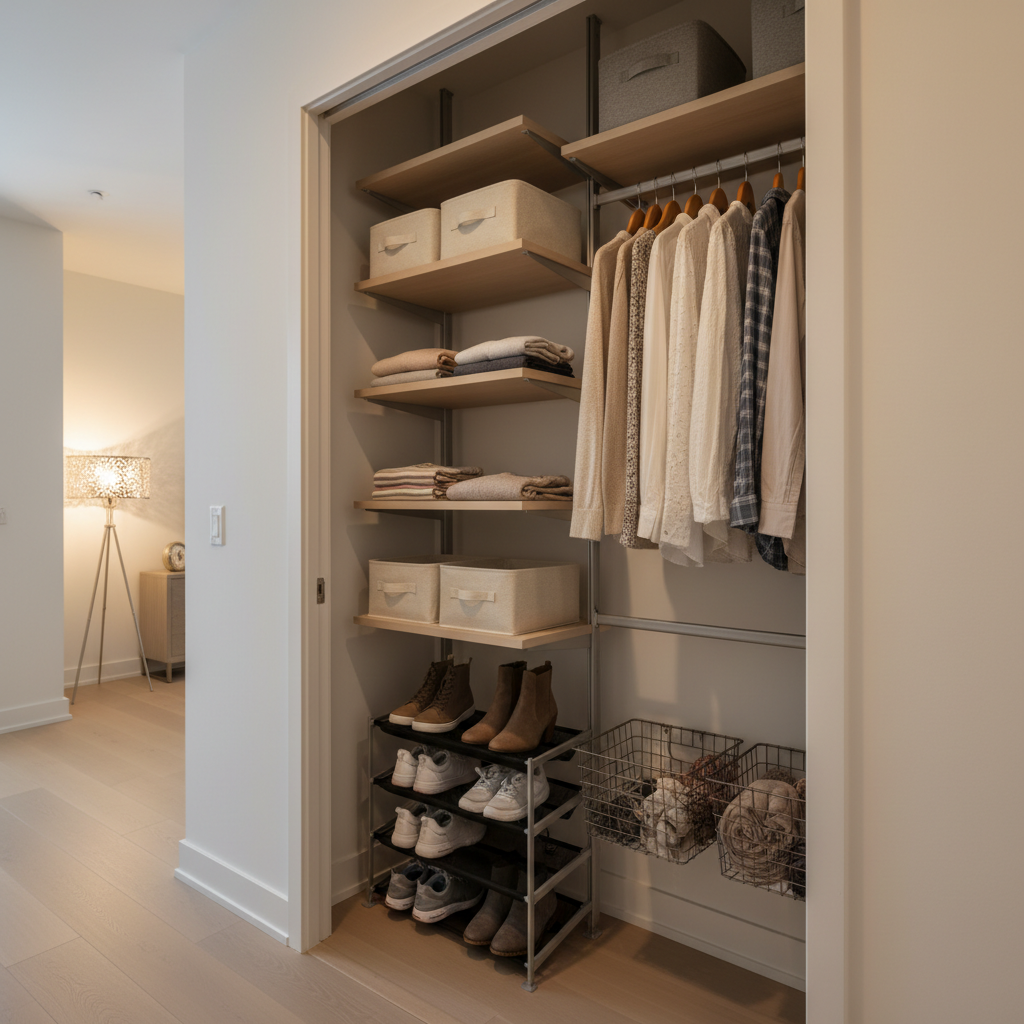
- Best for: Secondary bedrooms and condos; 24–30 inch depths are common.
- Why it works: A combination of double hanging, shelves, and shallow drawers transforms a single rod into zones.
- Tip: Use adjustable shelves to adapt for sweaters in winter and totes in summer.
Wardrobe cabinets (closet replacements)
- Best for: Rooms without closet alcoves or where a feature wall is preferred.
- Why it works: Floor-to-ceiling cabinets create concealed storage with tailored fronts.
- Tip: Consider integrated lighting and a central drawer stack for everyday items.
Take a simple example: a 60-inch reach-in with a single rod becomes two tiers of short hang plus a 15-inch drawer stack and shoe shelves. The feel of the room changes from “overflowing” to “organized” overnight.
Materials, construction, and finishes that last
Durable closet organizers use quality case materials (like melamine or plywood), strong hardware, and professionally finished doors. The best systems balance easy-to-clean surfaces with robust fasteners and soft-close components, protecting clothes while standing up to daily use.
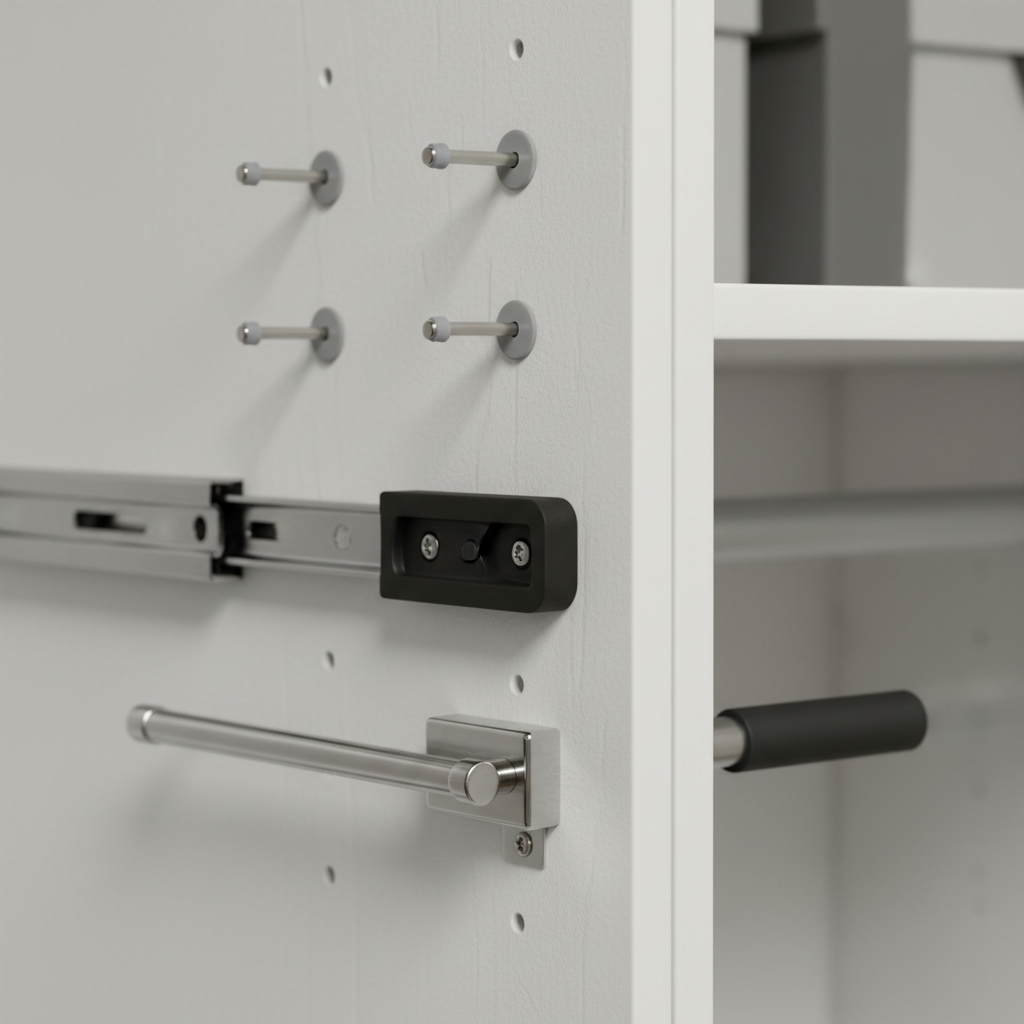
In closets, the box matters as much as the face. Melamine panels offer clean, wipeable surfaces and color stability. Plywood upgrades provide screw-holding strength and moisture resilience. Hardware—hinges, slides, cams, and confirmats—determines whether drawers glide and cabinets stay rigid.
- Case materials: Melamine is a go-to for value, consistency, and easy care; plywood offers extra fastener strength.
- Door/drawer fronts: MDF painted or prelaminated fronts (covered by Altima’s lifetime warranties on select doors) keep the look crisp.
- Hardware: Soft-close slides and hinges prevent slamming and extend life; valet rods and tie racks add daily convenience.
- Finishes: Matte whites, warm woodgrains, and textured laminates hide fingerprints and wear well.
For background on cabinetry basics and material choices, you can review these industry cabinet guides and a standard vs. custom doors overview. While focused on kitchens, the construction principles apply to closet casework too.
Smart accessories that change daily life
Prioritize accessories that solve daily friction: double hanging, valet rods, shoe towers, felt-lined drawers, pull-out hampers, and belt/tie storage. The best setups place your top 20% items at chest height and group like-with-like for one-glance access.
- Valet rods: Stage tomorrow’s outfit or steam-ready garments.
- Shoe storage: Mix flat shelves for sneakers with angled adjustable shelves for dress shoes and boots.
- Drawer stacks: Shallow top drawers for accessories; deeper drawers for knits and athletic wear.
- Pull-out hampers: Keep laundry contained without visible baskets.
- Tie/belt racks: Slim pull-outs that save time and prevent creasing.
- Hooks and trays: Everyday bags and watches land in a consistent spot.
Here’s what most people don’t realize: a single valet rod near the door can remove minutes from your morning. It’s low cost in space, high impact in habit.
Lighting and power planning
Plan for bright, even closet lighting and integrate low-heat, efficient LEDs. Add switched valance lighting under shelves, puck lights in display cubbies, and motion sensors at entries. Good lighting protects color matching and makes early mornings easier.
Closets deserve task lighting just like kitchens. Continuous LED strips under shelves provide uniform light with minimal heat. Pucks highlight display items. Motion sensors are great for kids’ rooms and hands-full entries. If you’re adding mirrors or steamers, plan outlets during design rather than after installation.
For general context on finish updates and lighting considerations, see this practical finishes overview that, while written for cabinetry updates, mirrors many choices in closet upgrades.
Dimensions and clearances that actually work
Use proven dimensions: short hang at ~40 inches per tier, long hang at ~60–70 inches, shelves at 12–14 inches deep for folded items, and at least 36 inches of walkway in walk-ins. These measurements balance capacity with comfortable access.
- Short hang: Two tiers at roughly 40 inches each maximize shirts and pants.
- Long hang: 60–70 inches accommodates dresses and long coats without dragging.
- Shelf depth: 12–14 inches fits most folded items without hidden stacks.
- Shoe shelves: 8–10 inches deep; angle adjustable shelves for visibility.
- Walkways: Target 36 inches clear in walk-ins for comfort.
These aren’t arbitrary. They reflect garment dimensions and real reach zones. We fine-tune for your height and mix of items during the 2D/3D design step.
Comparison table: organizer types and trade-offs
Compare organizer approaches by space fit, flexibility, and installation. Walk-ins offer maximum customization; reach-ins transform small bedrooms and condos; wardrobe cabinets replace missing closets. Use this table to align your room constraints with the right system.
| Organizer Type | Best Fit | Main Advantages | Considerations |
|---|---|---|---|
| Walk-in System | Primary suites with U/L layouts | Max zones, islands, display lighting | Requires more floor area; plan walkways |
| Reach-in System | Condos, secondary bedrooms | Double hanging, drawer stacks, shoe walls | Depth limits drawers; sliding doors need clearance |
| Wardrobe Cabinets | Rooms without alcoves | Floor-to-ceiling storage, tailored fronts | Requires wall space; verify ceiling heights |
How Altima delivers: one showroom, one factory, one accountable team
Altima simplifies closet projects with a one-stop, in-house model: showroom selections, 2D/3D design, factory-direct cabinetry, and professional installation. Lifetime warranties on MDF painted and prelaminated doors reinforce long-term quality and peace of mind.
Because design, manufacturing, and installation are under one roof, decisions move quickly and details stay aligned. You’ll preview the layout in 2D/3D, approve finishes and accessories in our Brampton showroom, and rely on one team to execute.
- Factory-direct cabinetry: Built on Italian CNC machinery for precision fits.
- 2D/3D design visualization: Reduces surprises and improves decision-making.
- Itemized documentation: Transparent, structured scope with upgrade options.
- Lifetime warranties on select doors: Confidence that finishes will last.
- Financing available: Flexible options with 0% down and fast approvals.
Explore deeper approaches to storage in our closet organization systems guide and see how custom closet solutions reduce daily clutter across GTA homes.
Design best practices from hundreds of GTA installs
Start with an inventory, zone by frequency of use, and design for flexibility. Prioritize adjustable shelves, durable hardware, and lighting. Build a logical left-to-right flow and keep daily items between waist and eye level to cut decision fatigue.
- Inventory first: Count long-hang vs. short-hang items, shoes, and bags. Design follows facts, not guesses.
- Zone by use: Core items at chest height; special-occasion and seasonal up high.
- Adjustability: Shelves on pins make seasonal resets painless.
- Hardware quality: Soft-close components protect fronts and keep noise down.
- Lighting: Plan switched LED strips or pucks before fabrication.
- Door decisions: Glass fronts display; solid fronts conceal—mix to match habits.
Want a fast sanity check? Walk through our custom closet upgrade guide and see 2D/3D examples that mirror typical GTA rooms.
Tools and resources for planning
Use an inventory checklist, a simple measuring diagram, and inspiration photos to align your design. Altima’s 2D/3D modeling turns those inputs into precise drawings you can approve before fabrication—accelerating choices and reducing rework.
- Inventory checklist: Shirts, pants, dresses, knits, bags, shoes, accessories by category.
- Measuring diagram: Overall width/height/depth, returns, bulkheads, and door clearances.
- Inspiration gallery: Screenshot organizers you love to clarify door styles and finishes.
- 2D/3D reviews: Iterate quickly and lock in the final layout with confidence.
For extra background on cabinet construction approaches that also inform closet builds, skim this concise industry guide to cabinet options. It helps frame the melamine vs. plywood discussion you’ll have with your designer.
Real-world examples: how GTA homeowners use organizers
From condo reach-ins to primary walk-ins, tailored layouts solve daily problems: double hanging doubles capacity, drawer stacks tame knits and accessories, and shoe towers make pairs easy to find. These scenarios mirror what we build across the GTA every week.
- Condo reach-in refresh: A single-rod 60-inch closet becomes two tiers of short hang, a 15-inch drawer stack, and five rows of shoes—no more floor pile.
- Primary suite walk-in: U-shape with an island, glass-front display for bags, and a valet rod by the entry for next-day outfits.
- Teen closet: Adjustable shelves allow fast re-spacing between sports seasons; pull-out hamper keeps laundry off the floor.
- Entry wardrobe: Floor-to-ceiling cabinets hide coats and backpacks; a bench cubby holds everyday shoes.
See how these patterns translate into your room in our custom closet design and installation overview and our modular wardrobes explainer.
Installation and condo coordination
Professional installation ensures tight seams, level shelves, and smooth doors. For condos, coordination includes elevator booking, protection for common areas, and precise timing. An in-house installation team speeds the process and keeps accountability clear.
When we handle both manufacturing and install, adjustments happen on the spot. We bring trim options, tune door gaps, and verify wall anchors based on your substrate. In condos, we align with building requirements in advance to keep the day-of experience calm and clean.
Maintenance and longevity
Keep surfaces clean with a soft cloth and mild soap, wipe spills promptly, and avoid harsh abrasives. Tighten shelf pins if needed and check soft-close slides annually. With normal care, well-built organizers serve for years without sagging or delamination.
- Cleaning: Non-abrasive cleaners preserve laminates and painted fronts.
- Hardware checks: Re-seat shelf pins and ensure slides stay debris-free.
- Seasonal resets: Move shelves to match wardrobe shifts; store off-season items up high.
Durable construction plus small habits keep your closet feeling brand new, even as your needs evolve.
Frequently Asked Questions
Homeowners ask about timelines, materials, and space constraints. The short answer: Altima’s in-house model streamlines design-to-install; melamine and plywood both perform well; and even tight condos can gain capacity with smart reach-in layouts.
How long does a custom closet organizer project take?
Timelines vary by scope and building coordination. With Altima’s in-house design and factory production, decisions move quickly and installation is scheduled as soon as your materials are ready. Most standard reach-in projects move from approved drawings to installation on an efficient timeline.
Which is better for closet boxes: melamine or plywood?
Both work well. Melamine offers durable, easy-to-clean surfaces and stable color. Plywood provides extra fastener strength and resilience. We review your space, mounting surface, and accessory plan to recommend the best fit during the design stage.
Can you add lighting inside the closet system?
Yes. We often integrate LED strips under shelves and puck lights in display cubbies. We also plan switching and, if needed, outlets for mirrors or steamers so the lighting supports how you actually use the space, day and night.
Do custom closet organizers work in small condos?
Absolutely. Even a 24–30 inch deep reach-in can gain capacity with double hanging, shallow drawers, and shoe shelves. We coordinate building access and elevator timing to keep installations smooth in condo settings.
Key takeaways and next steps
Inventory your wardrobe, choose the right organizer type, and favor durable materials and adjustable features. Then leverage Altima’s in-house design, factory production, and installation to deliver a precise, accountable result from one team.
- Inventory first; design follows facts.
- Pick walk-in, reach-in, or wardrobe based on space constraints.
- Favor melamine or plywood cases with quality soft-close hardware.
- Design lighting and power during planning—not after install.
- Use Altima’s 2D/3D process to visualize before manufacturing.
Explore more storage ideas
Level up whole-home organization by pairing a custom closet with smart cabinetry in kitchens, baths, and media walls. These internal resources expand on design choices, materials, and installation tips to keep every room working harder.
See how organizers complement other projects across your home:
- Kitchen and pantry zones benefit from pull-outs and lighting—parallels you’ll recognize from closets.
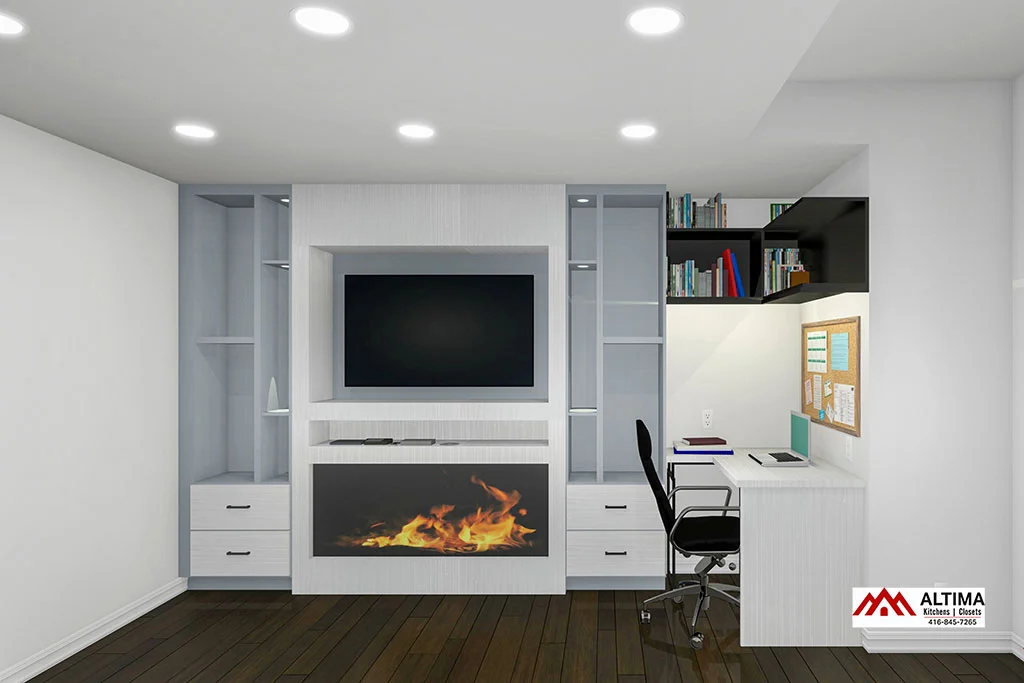
- Media walls and mud room cabinets hide clutter in shared spaces.
- Condo renovations require precision and coordination—skills our closet installs share.
Dive deeper in our custom wardrobe closet systems breakdown, learn how adjustable organizers flex with seasons, and get practical advice on working with a closet company.
Related Posts
Why Choose Kitchen Renovation Company
Nowadays, Kitchen spaces are not only a place for cooking and serving food, but these areas act as a statement, as they speak a lot about a family, the philosophy and personality of individuals, and spaces. If you admire aesthetics and adorn the beauty of your home, you must pay attention to the interior design […]
How a Kitchen Renovation Contractor is Changing the Game
Lifestyle is all about bringing something coherent to the overall experience of living. The kitchen and closets stand as two of the most influential spaces in a home that add to the overall experience of living. A Kitchen Renovation Contractor in Whitby by the name of Altima Kitchen and Closets Inc. is changing the overall […]
How Media unit contractor in Whitby is Changing the Game
Lifestyle is all about bringing something coherent to the overall experience of living. The kitchen and closets stand as two of the most influential spaces in a home that add to the overall experience of living. A Media Unit Company in Whitby by the name of Altima Kitchen and Closets Inc. is changing the overall […]