Bathroom Renovation Ideas: Create a Space You Love in 2026
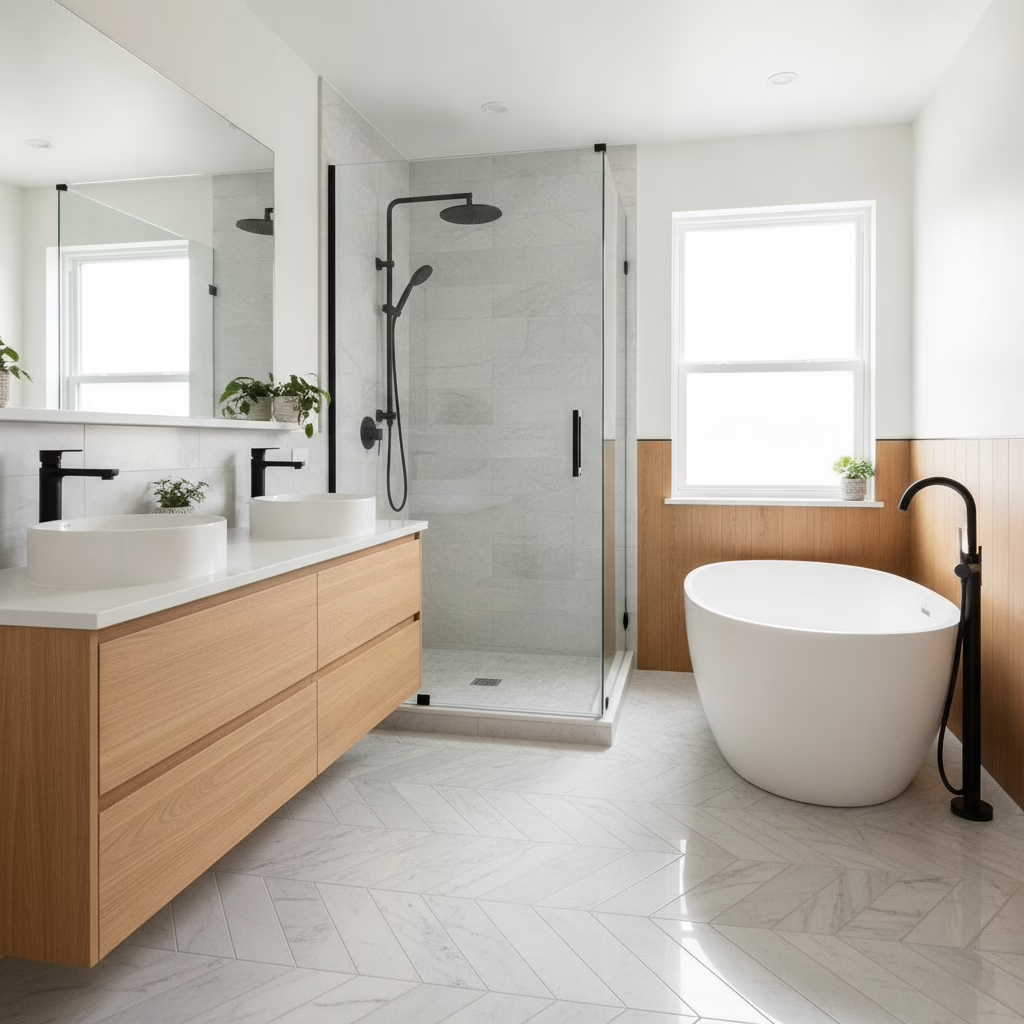
Bathroom renovations are the coordinated planning, design, and build steps that upgrade a bath’s layout, finishes, and systems for better function, safety, and style. Around 11 Edvac Drive, the smartest renovations combine continuous waterproofing, effective ventilation, and custom storage with code-compliant installation to deliver durable, everyday comfort.
By Ashok, Altima Kitchens and Closets – Last updated: 2026-06-30
Overview: What You’ll Learn
This complete guide to bathroom renovations walks you from vision to installation. You’ll learn layout rules, waterproofing and ventilation basics, tile and vanity choices, lighting layers, storage strategies, accessibility options, and project sequencing—plus GTA-specific tips. Use the checklists and examples to plan a bath you’ll love living with every day.
Homeowners often have great inspiration photos but get stuck on sequencing, materials, and code. We break it down into clear, usable steps with real numbers and field-tested tips.
- Clear definition of a successful bathroom remodel
- Step-by-step process from scope to punch list
- Layout and clearance rules that prevent rework
- Waterproofing, fan sizing, and humidity control
- Tile, vanity, lighting, and storage choices
- Accessibility and aging-in-place ideas
- Timeline drivers (no pricing) and condo factors
- Local notes for projects near 11 Edvac Drive
What Is a Bathroom Renovation?
A bathroom renovation is a coordinated upgrade of layout, structure, plumbing, electrical, finishes, and fixtures to improve function, safety, and style. It spans planning and 2D/3D design through demolition, rough-ins, waterproofing, tile work, cabinetry, and final inspection, delivering a durable, code-compliant space tailored to your routine.
Bathrooms are small, high-performance rooms. Tolerances are tight, moisture risk is constant, and traffic is daily—so design and execution must be precise. In our experience across the GTA, projects that start with measured drawings and explicit heights (niche, valve, sconce) finish cleaner and faster.
- Scope clarity: Decide whether you’re refreshing finishes, relocating plumbing, or reconfiguring the footprint.
- Measured drawings: Create accurate 2D plans and 3D views to lock dimensions before ordering materials.
- Trade coordination: Plumbing, electrical, and tile sequencing prevents conflicts and keeps timelines predictable.
- Quality controls: Flood testing, fan airflow checks, and GFCI protection reduce callbacks.
At Altima Kitchens and Closets, we convert mood boards into build-ready drawings and an itemized scope using our factory-direct vanities, towers, and storage accessories—built in our Brampton facility with Italian CNC machinery and a professional spray booth.
Why Bathroom Renovations Matter
Bathroom renovations matter because they improve daily routines, prevent moisture damage, and enhance home value. Upgrading ventilation, waterproofing, and storage reduces long-term repair risk, while thoughtful lighting and layout boost comfort and accessibility for every age and stage of life.
Bathrooms pack plumbing, electricity, and constant humidity into the smallest footprint in the house. Done right, they run quietly and last for years; done poorly, leaks and mold can develop behind walls and under tile. The difference is planning and detail.
- Function first: Typical toilet centerline is 15 inches from side walls with 21 inches of front clearance for easy access.
- Durability: Shower floors work best with a 1/4 inch per foot slope to the drain, verified before tile.
- Ventilation: Quiet fans sized at roughly 1 CFM per square foot help move humid air to the exterior.
- Lighting comfort: Vanity sconces mounted 66–70 inches from the floor reduce shadows and glare at the mirror.
Families near 11 Edvac Drive tell us smarter storage—pull-outs, medicine cabinets, and tower units—keeps counters clear and mornings calmer. Our factory-direct cabinetry is sized around real items you store, from hair tools to towels, so everything has a home.
How Bathroom Renovations Work (Process)
Successful bathroom renovations follow a defined sequence: discovery, measured drawings, 2D/3D design, permits, demolition, rough-ins, waterproofing, tile, cabinetry, fixtures, lighting, paint, and final QA. Locking dimensions early and flood-testing showers reduces risk and keeps projects on schedule.
Here’s the proven workflow our design-build team uses across the GTA. Use these steps as your project map.
- Discovery and scope: Walkthrough, priorities, and constraints. Note plumbing stacks, joist directions, and HVAC paths.
- Measured drawings: Confirm wall plumb and floor level. A 1/8 inch out-of-level floor can telegraph into tile lippage if ignored.
- 2D/3D design: Visualize tile layout, grout lines, niche heights (often 48–60 inches), and lighting circuits.
- Selections and ordering: Choose porcelain vs. ceramic, quartz vs. solid surface, matte vs. brushed fixtures. Lead times set start dates.
- Permits and compliance: Verify dedicated 20-amp circuits to vanities, GFCI protection, and exterior ducting for fans.
- Demolition and prep: Isolate work area; verify substrate integrity; add blocking for grab bars or storage towers.
- Rough-ins: Set valves around 42–48 inches, shower heads ~80 inches, and center vanity plumbing to the sink base.
- Waterproofing: Use continuous membranes; seal corners and penetrations; perform a 24-hour pan flood test.
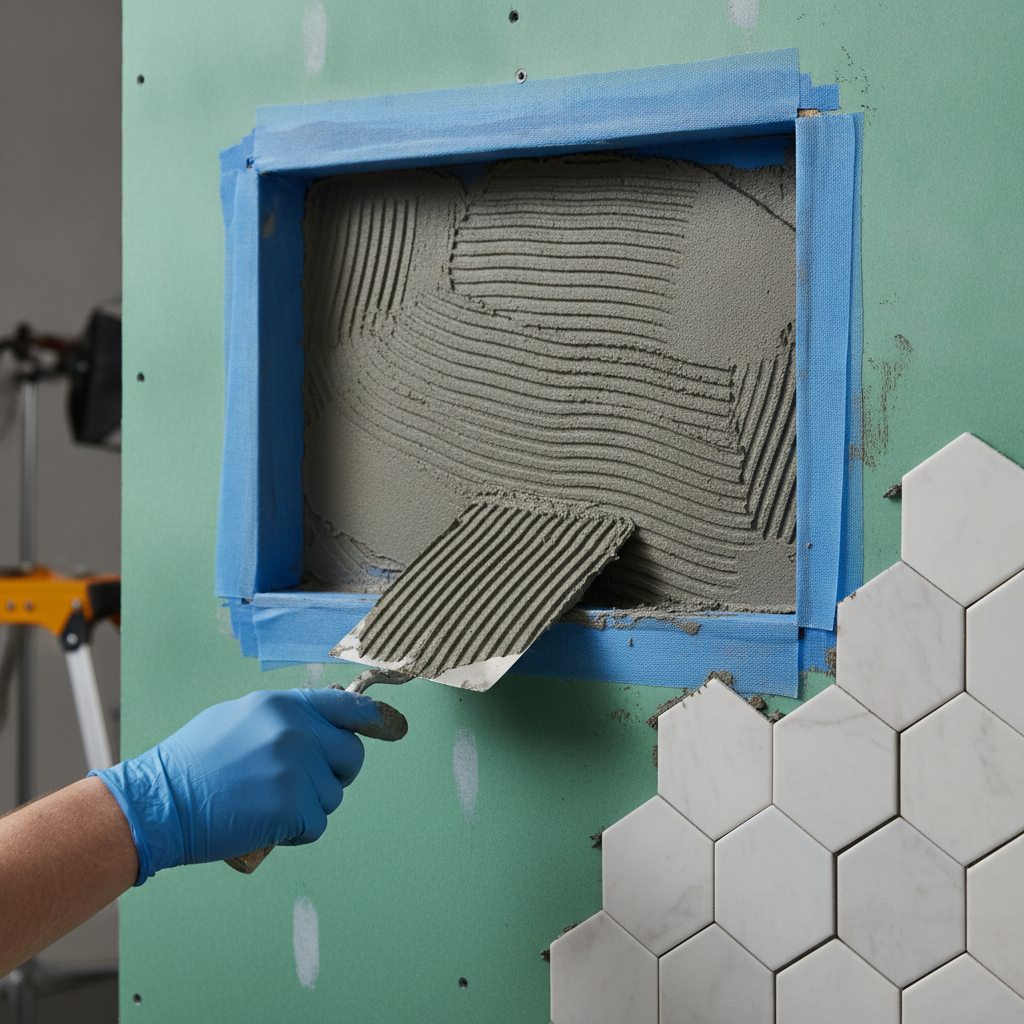
- Tile setting: Back-butter large-format tile; maintain 1/8–3/16 inch grout joints; align with lasers for true lines.
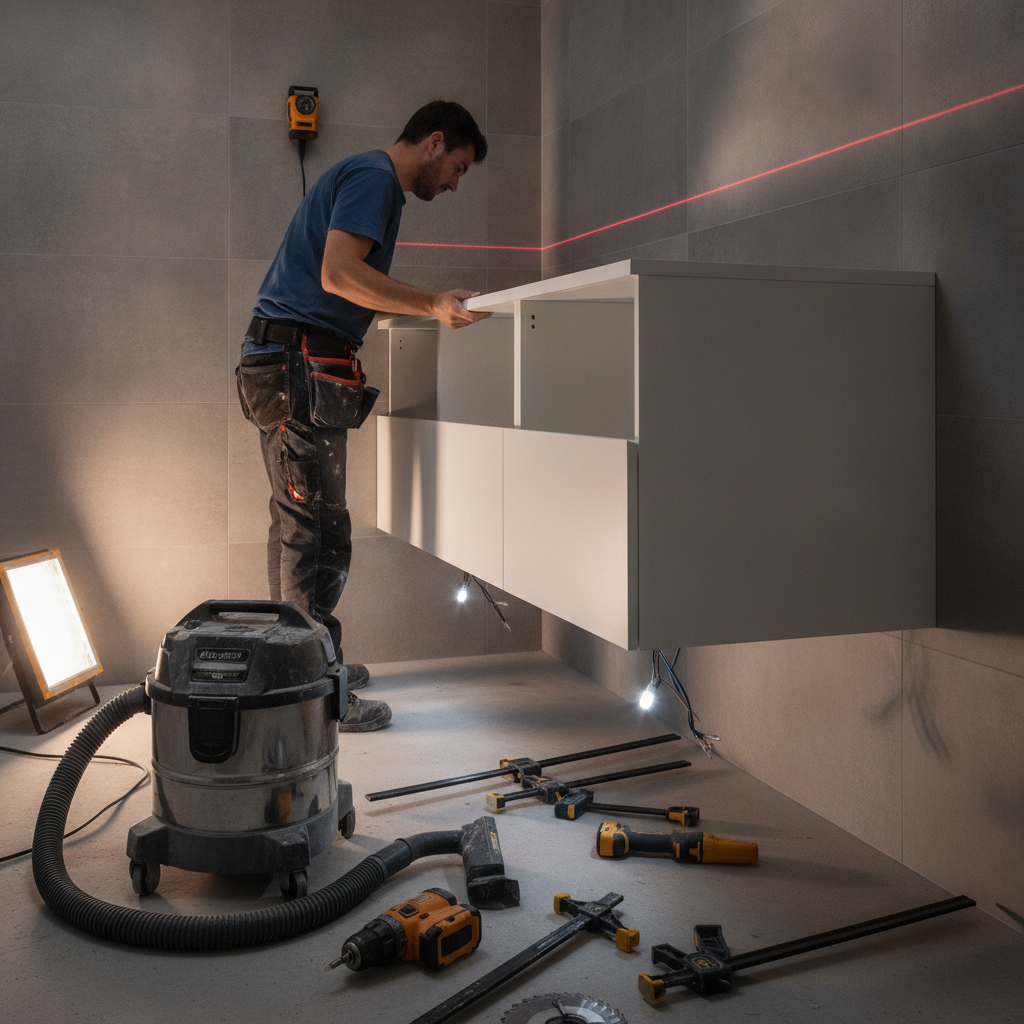
- Cabinetry and tops: Install vanities level within 1/16 inch; template quartz with sink/faucet specs on hand.
- Fixtures and lighting: Set toilets with new wax rings; aim sconces at eye level; calibrate dimmers for LED compatibility.
- Finish and QA: Caulk movement joints; test fan CFM; complete a final punch list before handover.
Sequencing checklist
- Confirm every rough-in height and centerline on the wall before closing.
- Photograph in-wall blocking and pipe routes for future reference.
- Dry-fit tile coursing to ensure clean cuts at corners and niches.
- Label lighting circuits and verify GFCI locations at the vanity.
For deeper planning help, see our practical post on avoiding big bathroom mistakes and value-first ideas in our bathroom home improvement guide.
Types, Methods, and Approaches
Most projects fit one of five types: powder room refresh, family bath upgrade, primary ensuite transformation, tub-to-shower conversion, or accessibility-focused remodel. Match the approach to your goals, routine, and space: light refresh, partial renovation, or full gut with layout changes.
Common project types
- Powder room refresh: New vanity, faucet, mirror, paint, and lighting. High impact, minimal disruption.
- Family bath upgrade: Durable porcelain tile, tub/shower combo, easy-clean surfaces sized for daily use.
- Primary ensuite transformation: Walk-in shower with linear drain, freestanding tub, heated floors, layered lighting.
- Tub-to-shower conversion: Great for small baths; target a 36 x 36 inch clear interior minimum for comfort.
- Accessibility remodel: Curbless shower (continuous slope), grab bar blocking, non-slip tile (DCOF ≥ 0.42), wider doors.
Approach and scope
- Refresh: Keep layout; update fixtures and finishes; swap vanity and lighting.
- Partial renovation: Replace tub/shower and tile; upgrade fan and valves; keep plumbing locations.
- Full gut/layout change: Reframe walls; relocate drains/vents; add storage towers and custom niches.
Pros and cons to consider
- Refresh pros: Faster, less invasive; cons: function limits remain if layout stays the same.
- Partial pros: Big visual upgrade; cons: hidden substrate issues may surface during demo.
- Full gut pros: Highest control over storage, lighting, and waterproofing; cons: longest timeline.
Need space planning inspiration? Review our small bathroom remodel with a shower for workable dimensions and storage ideas.
Best Practices for Bathroom Renovations
Focus on waterproofing continuity, right-sized ventilation, correct slopes, and durable materials. Layer task, ambient, and accent lighting; add purpose-built storage; and confirm electrical safety. Document everything in 2D/3D before demo so tile lines, niches, and valves land exactly where you want.
Waterproofing and moisture control
- Continuous membranes: Tie floors into walls and niches; seal around valves and fasteners.
- Shower slope: Maintain 1/4 inch per foot toward the drain; verify with a level before tile.
- Fan sizing: Target at least 1 CFM per square foot and duct outdoors with smooth, short runs.
- Condensation control: Heated floors and warm-edge glass on shower doors reduce fog and chill.
Lighting and electrical
- Layered lighting: Combine recessed ambient lights with vanity sconces placed at eye level.
- Color temperature: 3000–3500K offers warm, accurate skin tones at the mirror.
- Safety: Use GFCI protection near water; select damp- or wet-rated fixtures inside showers.
Tile and surfaces
- Porcelain tile: Dense, low absorption, and highly durable for wet zones.
- Grout joints: Keep consistent 1/8–3/16 inch; use premium grout and flexible sealant at change-of-plane joints.
- Quartz counters: Non-porous and easy to maintain; template after the vanity is anchored and level.
Storage that works
- Built-in towers: Add vertical storage next to vanities for linens and everyday items.
- Drawer inserts: Organize hair tools, makeup, and medicine by category to keep counters clear.
- Niches and ledges: Place niches outside the shower spray if possible, typically 48–60 inches high.
Accessibility and aging in place
- Curbless entry: Ensure continuous slope and linear drain placement for wheelchair-friendly access.
- Grab bar blocking: Add solid blocking during framing; common grab bar heights are 33–36 inches.
- Comfort-height toilets: Typical seat heights range 17–19 inches for easier sitting and standing.
For vanity decisions and integrated storage, explore our 2026 vanity design trends article—helpful if you’re choosing between floating and furniture-style bases.
Materials, Tools, and Resources
Choose durable materials for wet zones (porcelain tile, quartz, solid-surface pans), and rely on 2D/3D design tools to pre-visualize layouts. A measured plan, laser levels, wet-rated lighting, quiet fans, and factory-built cabinetry help deliver accuracy, speed, and long-term performance.
Material selection guide
| Component | Recommended Option | Why It Works |
|---|---|---|
| Shower walls | Porcelain tile | Low absorption, high durability, wide styles |
| Shower base | Solid-surface or tiled pan | Reliable slope, customizable sizes |
| Countertops | Quartz | Non-porous, stain resistant, consistent slabs |
| Cabinetry | Factory-built vanity | Square, stable boxes; precise drawer hardware |
| Lighting | LED, 3000–3500K | Warm tone, efficient, dimmable |
| Ventilation | Quiet fan rated by CFM | Right-sized airflow reduces humidity |
Tools and planning aids we use
- 2D/3D design suites: Lock layout, heights, and tile coursing before purchase.
- Laser levels and layout lines: Ensure plumb walls and straight grout lines in real conditions.
- Moisture meters: Verify substrates are ready before setting tile or paint.
- Factory-direct cabinetry: Our Brampton facility builds to spec with Italian CNC machinery and a pro spray booth.
Want a structured starting point? This outside checklist on bathroom remodeling steps is a useful reference for sequencing. For upgrade ideas, see these bathroom upgrade concepts for additional inspiration. We also like this perspective on remodel benefits from a regional plumbing team: advantages of bathroom remodeling.
Thinking about your layout? Bring rough measurements and routine notes to our Brampton showroom. We’ll map storage, lighting, and tile coursing in 2D/3D so every cut and centerline is intentional.
Budget and Timeline Factors (No Pricing)
Your bathroom timeline and investment are driven by scope, materials, and logistics. Lead times for tile and quartz, plumbing or electrical relocations, waterproofing complexity, and inspection windows shape schedules. Align selections and drawings early to reduce delays and keep the build phase predictable.
- Scope: Full gut with layout changes takes longer than a finish refresh; moving drains requires more coordination.
- Materials: Custom glass and specialty tile can add days or weeks based on fabrication and shipping.
- Trades and inspections: Rough-in and final inspections influence sequencing and daily productivity.
- Access and condo rules: Elevators, booking windows, and noise restrictions affect working hours.
- Decision speed: Approving drawings and finishes promptly keeps manufacturing and ordering on track.
To understand how scope choices affect sequencing, browse our custom bathroom renovation guide for practical planning options.
Case Studies and Real-World Examples
These GTA examples show how clear design, factory-built cabinetry, and tight project management turn constraints into clean, durable bathrooms. Each case highlights the problem, the approach, and the outcome—so you can see what’s possible in similar spaces.
Primary ensuite near 11 Edvac Drive
- Challenge: Tight alcove and uneven floor caused tile lippage in the old shower.
- Approach: Laser-leveled substrate, linear drain with 1/4 inch per foot slope, porcelain tile, and quartz ledge.
- Outcome: A quiet fan, layered lighting, and a floating vanity created a spa-like feel with easy maintenance.
Family bath in a GTA condo
- Challenge: Limited storage and strict condo hours.
- Approach: Prebuilt vanity towers, drawer inserts, and a tub/shower combo with a three-piece valve set.
- Outcome: Faster install within condo rules, plus tidy storage that keeps counters clear.
Local considerations for 11 Edvac Drive
- Plan deliveries to avoid peak times near Williams Pkwy at 2500 Williams Pkwy if curbside drop-off is needed.
- Seasonal humidity swings can be large; confirm fan CFM and consider a dehumidistat for summer comfort.
- If you’re coordinating with nearby suppliers like RBH Access Technologies Inc., schedule pickups alongside inspections to reduce trips.
For more inspiration on compact layouts, review our bathroom renovation company guide focusing on storage-first design decisions.
Frequently Asked Questions
Homeowners ask about timelines, permits, waterproofing details, and material choices. The best results come from measured drawings, 2D/3D design, continuous waterproofing, right-sized ventilation, and factory-built cabinetry that fits perfectly the first time.
What should I finalize before demolition starts?
Confirm measured drawings, 2D/3D layouts, and every material selection—tile, grout, vanity, fixtures, fan, lighting, and glass. Lock heights for niches, valves, and mirrors, and ensure fan ducting routes outdoors. When details are set in advance, the build runs faster and with fewer surprises.
How do I choose tile for a small bathroom?
Favor porcelain for durability and low absorption. Use larger formats on walls to reduce grout lines, and keep a consistent 1/8–3/16 inch joint. Align tile coursing with niches and valves shown in your 2D/3D drawings so cuts land cleanly and symmetry reads intentional.
Do I need a more powerful ventilation fan?
Size bathroom fans to roughly 1 CFM per square foot and vent them outdoors. For long or restrictive duct runs, choose a higher CFM model to maintain airflow. A quiet fan with a humidity sensor can reduce fog, odors, and condensation damage over time.
What are common waterproofing mistakes?
Gaps at corners, penetrations, and transitions cause most failures. Ensure continuous membranes tie floors to walls, seal around fasteners and niches, and flood test shower pans for 24 hours before tile. Maintain a 1/4 inch per foot slope toward the drain to avoid pooling.
Can I do a curbless shower in a condo?
Often, yes—with proper planning. You’ll need continuous slope to the drain, a low-profile or linear drain, and a membrane system designed for wet rooms. Condo rules may limit floor recess depth, so confirm structure and obtain approvals before design is finalized.
Key Takeaways and Next Steps
Great bathrooms are designed before they’re built: measure accurately, model in 2D/3D, specify durable materials, and verify waterproofing and ventilation. With a factory-direct vanity and organized storage, your space will look clean, function smoothly, and stand up to daily use.
- Design first: Lock dimensions, heights, and tile coursing in drawings.
- Build smart: Sequence trades, test waterproofing, and size the fan correctly.
- Store better: Add towers, drawers, and niches for a clutter-free counter.
- Think long-term: Choose materials that clean easily and resist moisture.
Action steps
- Book a showroom consultation to review 2D/3D options and sample materials side by side.
- Bring photos and measurements; we’ll map storage and lighting around your routine.
- Preview sequencing by browsing our bathroom mistakes guide and this small-bathroom remodel article.
Ready to start? Our team at Altima guides bathroom renovations from first sketch to final polish—designed and built around how you actually live.
Related Posts
Why Choose Kitchen Renovation Company
Nowadays, Kitchen spaces are not only a place for cooking and serving food, but these areas act as a statement, as they speak a lot about a family, the philosophy and personality of individuals, and spaces. If you admire aesthetics and adorn the beauty of your home, you must pay attention to the interior design […]
How a Kitchen Renovation Contractor is Changing the Game
Lifestyle is all about bringing something coherent to the overall experience of living. The kitchen and closets stand as two of the most influential spaces in a home that add to the overall experience of living. A Kitchen Renovation Contractor in Whitby by the name of Altima Kitchen and Closets Inc. is changing the overall […]
How Media unit contractor in Whitby is Changing the Game
Lifestyle is all about bringing something coherent to the overall experience of living. The kitchen and closets stand as two of the most influential spaces in a home that add to the overall experience of living. A Media Unit Company in Whitby by the name of Altima Kitchen and Closets Inc. is changing the overall […]