Custom Cabinetry: Save Space and Boost Home Value in 2026
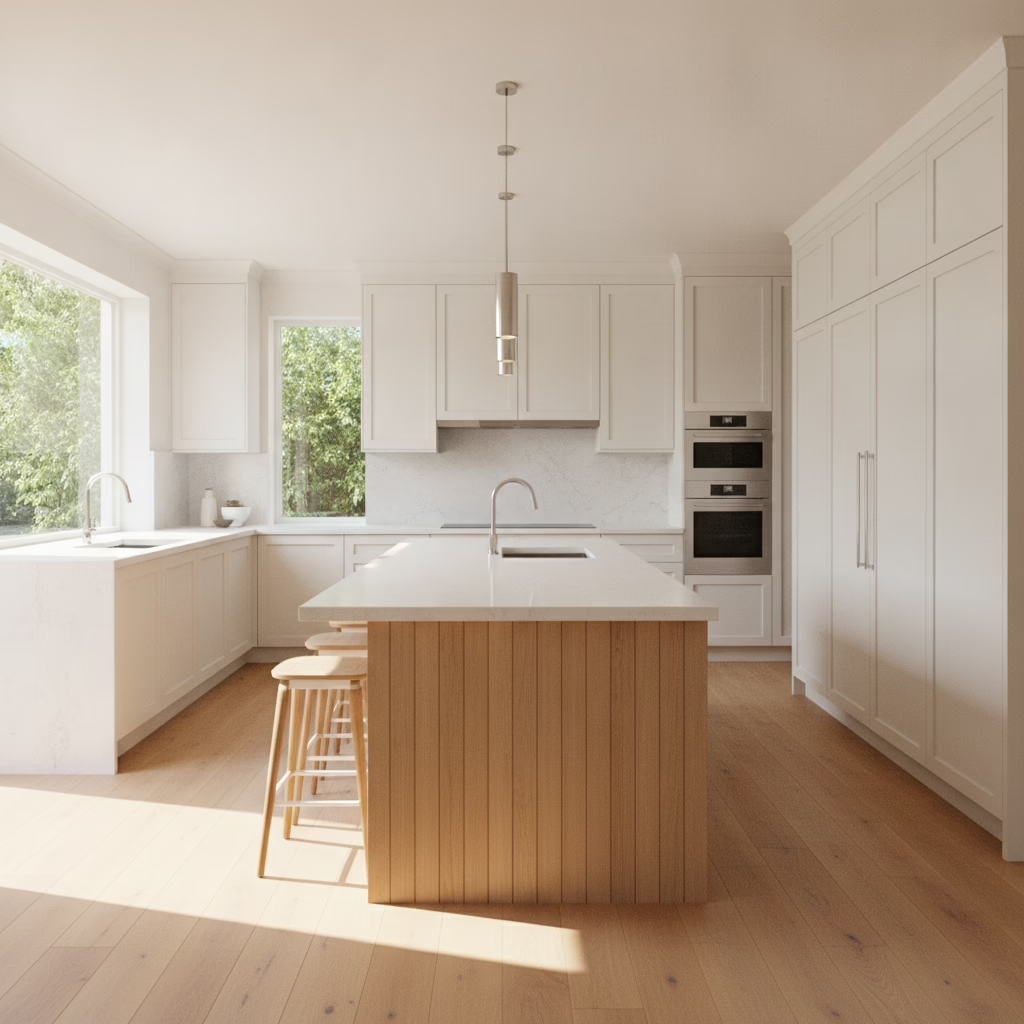
Custom cabinetry is the design and construction of built-in storage tailored to your space, workflow, and style. It maximizes usable inches through precise sizing, smart accessories, and durable materials. For homeowners around 11 Edvac Drive, custom cabinets align function and design—especially in kitchens, closets, and media walls—while elevating daily living and long-term home value.
By Ashok, Altima Kitchens And Closets • Last updated: 2026-07-02
Overview
Custom cabinetry organizes your home with precision-built storage that fits your exact dimensions and routines. It blends space planning, durable construction, and tailored finishes to deliver lasting function and style. This guide explains what it is, why it matters, how it’s built, key material choices, and real-world examples from GTA homes.
Here’s what you’ll learn and how to use it right away.
- What custom cabinetry is and how it differs from stock boxes
- How we take projects from 3D design to in-house manufacturing
- Pro tips on layout, materials, finishes, and hardware
- Standards that drive ergonomic comfort and longevity
- Examples from GTA kitchens, closets, mud rooms, and media units
Local considerations for 11 Edvac Drive
- Plan appointment times around traffic near Williams Pkwy at 2500 Williams Pkwy to simplify showroom visits and deliveries.
- Seasonal humidity swings affect wood movement; we finish in a controlled spray booth and allow acclimation before install for stable results.
- For family-friendly layouts, consider drop zones and mud room cabinets if you frequent Bottomwood Park—fast storage for gear keeps floors clear.
What Is Custom Cabinetry?
Custom cabinetry is purpose-built storage tailored to a room’s exact dimensions, user habits, and style. Unlike stock units, it uses precise sizing, configurable interiors, and premium hardware to optimize every inch. The result is better organization, easier workflows, and cohesive design across kitchens, closets, and built-ins.
At Altima Kitchens And Closets, custom means starting with your routine and constraints. We measure to the millimeter, map your storage zones, and choose cabinet box materials, doors, and accessories that match how you cook, entertain, or get ready each day.
- True fit: Cabinets sized to your ceiling height, wall runs, and appliance specs reduce fillers and awkward gaps.
- Workflow-first interiors: Pull-out pantries, tray dividers, and lazy susans keep essentials within one arm’s reach.
- Integrated lighting: Valance and pantry lights improve visibility and safety at prep and storage zones.
- Consistent finish: A single, matched finish across large installations (kitchen + servery + media wall) creates visual calm.
In our experience, small dimensional tweaks—like a 10-inch spice pull-out beside the range or a 30-inch drawer stack under the cooktop—save minutes every day. Typical base cabinets are 24 inches deep and 34.5 inches high before countertops. Matching these ergonomics to your reach and appliance set brings immediate comfort.
Why Custom Cabinetry Matters
Custom cabinetry matters because it converts dead zones into storage, aligns with your daily routines, and elevates the look and value of your home. Proper sizing, durable construction, and smart accessories reduce clutter, speed up tasks, and keep finishes looking new for years.
Function drives satisfaction. When pots, spices, and trays have a dedicated place, prep time drops and counters stay clear. Soft-close hardware reduces slam impact on joinery and finishes. Quality hinges are cycle-tested to tens of thousands of openings, supporting years of smooth use.
- Space gains: Full-height pantries can add 20–30% more storage than short units under bulkheads.
- Durability: UV-cured finishes and sealed edges resist moisture and daily wear, especially around sinks and dishwashers.
- Safety: Anti-tip devices, secured tall units, and child-friendly hardware cut risks in busy kitchens.
- Design continuity: Matching door profiles across kitchen, mud room, and media unit brings the whole floor together.
We also see performance benefits from thoughtful ventilation and lighting. For example, valance lighting under wall cabinets pushes 200–500 lumens directly on the counter, improving task visibility without overhead glare. Toe-kick lighting guided at 1–2 watts per foot doubles as a night-light path that’s easy on the eyes.
How Custom Cabinetry Works (Step-by-Step)
The custom cabinetry process moves from discovery and measurement to 3D design, factory manufacturing, and professional installation. A structured workflow—clear drawings, material selections, and site prep—keeps projects on schedule and ensures the final fit, finish, and function match the plan.
Here’s our typical design-build path, from first idea to final install:
- Discovery + goals: We capture routines, must-haves, and space constraints. Think zones: prep, cook, clean, snack, devices.
- Site measure: Laser measurements record wall runs, plumbing, electrical, and flooring transitions. We confirm appliance clearances.
- 2D/3D design: You review plan, elevations, and renders. Revisions finalize door style, finish, accessories, and lighting.
- Technical sign-off: Itemized drawings confirm cabinet sizes, hinge swing, filler logic, and hardware specs for production.
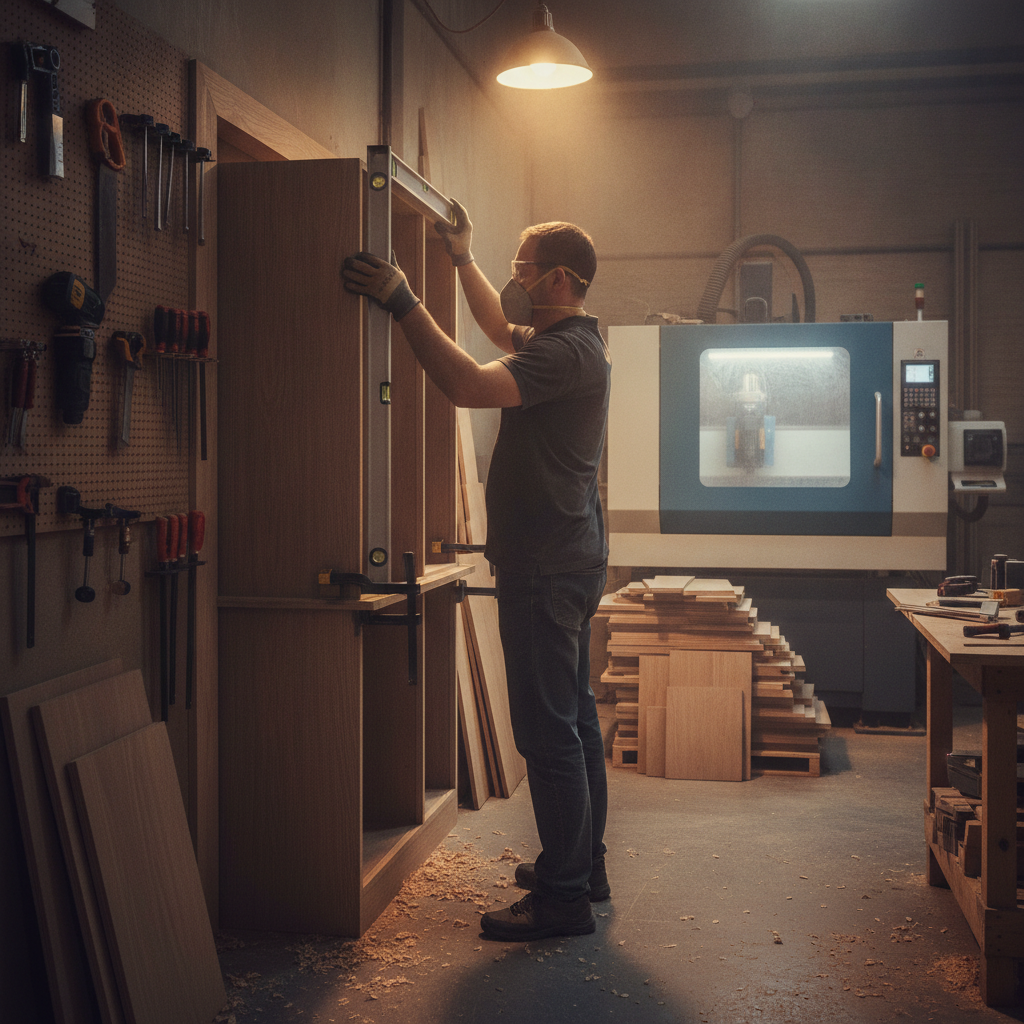
- In-house manufacturing: Italian CNC machinery cuts parts; our spray booth delivers consistent finishes and sheen.
- Pre-install QA: Components are inspected for square, edge quality, and hardware alignment before they leave the factory.
- Professional installation: Leveling to 1–2 mm, secure fastening to studs, and scribe work ensure tight seams and a built-in look.
- Walkthrough + care: We review operation, cleaning, and maintenance, and provide contacts for support.
If you’re exploring kitchen ideas, our GTA design guide breaks down layouts, lighting, and finishes that pair well with custom cabinets. And when you’re ready for cabinet specifics, see how we avoid errors in this remodel checklist.
Types, Methods, and Approaches
Custom cabinetry spans kitchens, closets, mud rooms, media walls, and bars. Methods vary—frameless vs. face frame boxes, painted MDF vs. prelaminated doors, melamine vs. plywood carcasses—but the right mix depends on durability needs, style, and budget priorities.
We tailor construction to the room’s demands and your goals.
Core applications
- Kitchens: Full-height pantries, tray dividers, built-in spice pull-outs, and deep drawer stacks under cooktops improve speed and ergonomics.
- Closets: Adjustable shelving, double-hang sections, valet rods, and concealed hampers keep wardrobes tidy.
- Mud rooms: Locker-style towers, bench seating, and boot trays stop clutter at the door.
- Media units: Ventilated components, wire chases, and integrated lighting keep tech clean and cool.
- Bars/servery: Glass doors, stemware racks, and undercounter fridges create a polished entertaining zone.
Construction choices
- Box materials: Melamine is stable and easy to clean; plywood offers screw-holding strength; both perform when edged and sealed properly.
- Door materials: MDF painted doors provide crisp profiles and a smooth finish; prelaminated doors offer consistent color and wear resistance.
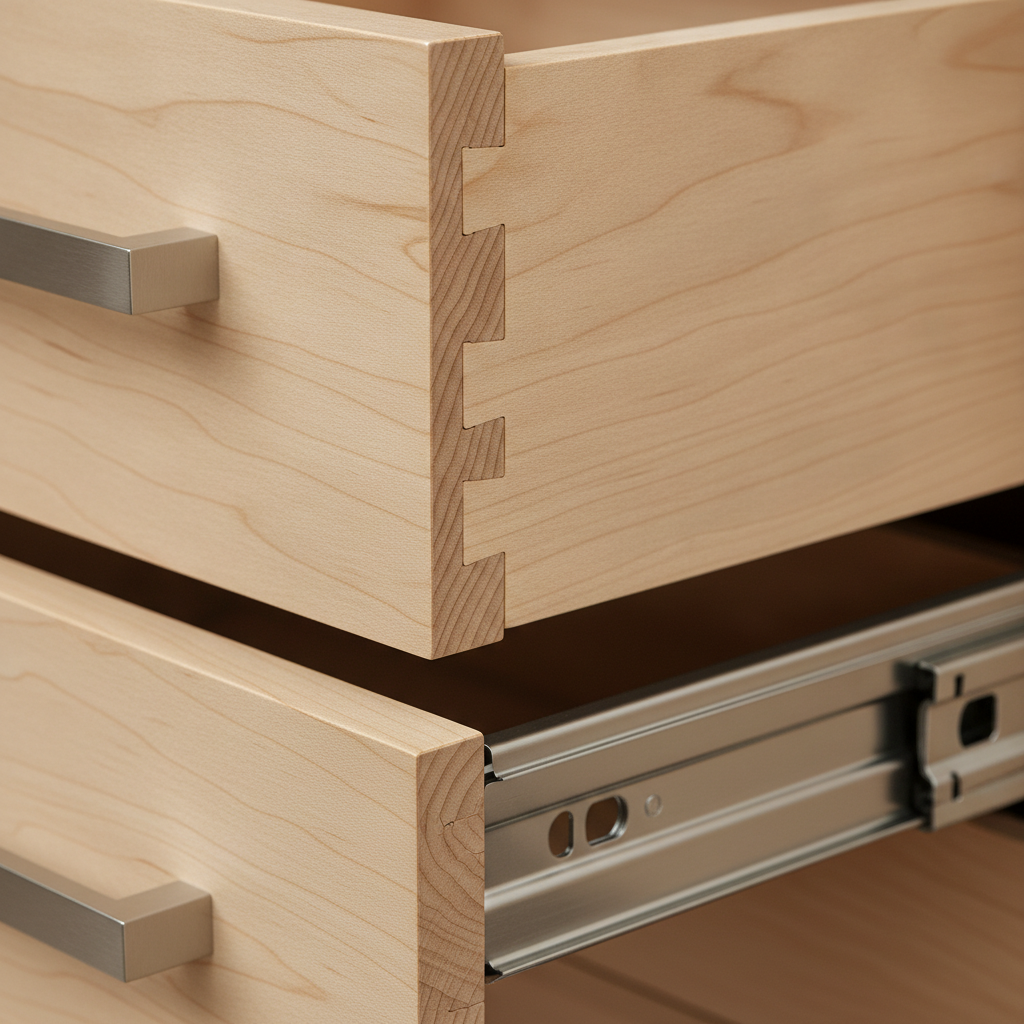
- Hardware: Soft-close hinges and undermount slides protect joinery and keep motion controlled over thousands of cycles.
- Accessories: Pull-out pantries, tray dividers, lazy susans, and spice racks bring items to you—no crouching or reaching.
Finish and style options
- Classic shaker: Balanced lines suit most homes; pairs with quartz counters and a simple valance light detail.
- Modern slab: Super-matte laminates resist fingerprints; handleless rails give kitchens a calm, continuous look.
- Transitional: Mix stained wood accents (islands, floating shelves) with painted perimeter cabinets for warmth and depth.
Want a deeper dive into door styles and construction basics? This practical cabinet door guide outlines common profiles and finish considerations that pair well with quartz backsplashes and modern lighting.
Custom vs. Semi-Custom vs. Stock
Choose custom when the space demands exact sizing, integrated accessories, and cohesive design. Semi-custom fits many homes with moderate modifications. Stock suits quick refreshes but relies on fillers and offers fewer interior options. The decision turns on fit, function, and design continuity.
| Aspect | Stock | Semi-Custom | Custom |
|---|---|---|---|
| Sizing | Fixed widths/heights | Some size options | Exact to room |
| Fillers/Spacers | Often required | Reduced | Minimal/none |
| Interiors | Basic shelves | Selective upgrades | Fully tailored |
| Hardware | Standard | Upgradable | Specified premium |
| Design Continuity | Limited | Good | Seamless |
For a quick refresher on broad differences, this overview of standard vs. custom cabinet doors highlights where flexibility shows up first—the façade. Pair that with interior accessories and lighting, and daily efficiency climbs fast.
Best Practices for Design, Durability, and Ergonomics
Prioritize workflow zones, durable box materials, sealed edges, and premium soft-close hardware. Add lighting where tasks happen, ventilate appliances, and design for real clearances. These practices protect finishes, speed up routines, and keep the space feeling calm and safe.
Layout and ergonomics
- Keep primary prep within 36–48 inches of the sink; place trash/recycling within 24 inches of the main prep zone.
- Use 30-inch drawer stacks for pots and pans; reserve 10–12 inches for spice and baking sheet pull-outs.
- Maintain 18 inches minimum from countertop to wall cabinet underside for appliance clearance and backsplash room.
- Target 42 inches of aisle width in multi-cook kitchens; 36 inches works in compact spaces.
Materials and construction
- Specify moisture-resistant cores around sinks and dishwashers; finish all exposed edges to block water ingress.
- Reinforce sink base floors; add tray liners under cleaning supplies to catch drips.
- Use full-extension undermount slides for 100% drawer access; undermounts also protect from side debris.
- Anchor tall pantries to studs and level bases within 1–2 mm for stable doors and tight reveals.
Lighting and ventilation
- Install valance lighting at 3000–3500K for warm, accurate color at prep zones.
- Use dimmable drivers and hidden wire chases; include at least one switched scene for late-night use.
- Ventilate appliance garages and media units; discrete cutouts or grills prevent heat buildup and protect finishes.
To see how these details translate into daily comfort, explore our custom kitchen cabinets overview and the practical kitchen transformation walk-through.
Soft CTA: Want layout ideas tailored to your appliances? Book a design chat with our in-house team near 11 Edvac Drive. We’ll review 3D options and accessories that streamline your routine—no obligation, just clarity.
Tools and Resources You Can Use
Case Studies and Examples from GTA Homes
Real projects show how tailored sizing, accessories, and finishes improve daily life. From condo galleys to family kitchens and mud rooms, custom cabinetry solves storage pain points, protects finishes, and delivers a consistent look across open-concept spaces.
1) Condo galley kitchen: speed and storage
A Toronto condo owner needed faster meal prep in a tight galley. We used full-height pantries with roll-outs, 30-inch drawer stacks under the cooktop, and a 10-inch spice pull-out by the range. Wall cabinets at 15 inches deep stored small appliances. Net result: fewer steps and clear counters.
2) Family hub near 11 Edvac Drive: clutter control
For a Brampton-area family, we added a mud room with bench seating, boot trays, and upper cubbies. A charging drawer at the kitchen desk corralled devices. Toe-kick lighting served as a night path. Morning departures got smoother, and floors stayed dry after visits to Bottomwood Park.
3) Media wall with cooling and cable management
In a Mississauga living room, a wall-to-wall media unit integrated vented doors, hidden cable chases, and LED backlighting. Adjustable shelves fit speakers and gaming consoles. Doors remained aligned thanks to accurate leveling and stud anchoring, preventing racking over time.
4) Baker’s kitchen: sheet pans and spices on demand
A Vaughan baker wanted quick access to sheets and spices. We installed vertical tray dividers near the oven and a two-tier spice pull-out. Deep drawers held mixers and bowls. A valance light at 3000K created shadow-free prep. Weekend bake times shortened, and ingredients stayed organized.
Considering a refresh vs. a full remodel? This short take on remodel vs. cabinet replacement outlines when updating cabinets alone can deliver a strong design lift without changing floor plans.
Frequently Asked Questions
Homeowners ask about timelines, materials, and maintenance. The best path is a structured workflow—measure, design, sign-off, manufacture, and install—with clear communication at every milestone. Durable box materials, sealed edges, and soft-close hardware help cabinets look and perform like new for years.
What makes custom cabinetry different from semi-custom?
Custom fits your room exactly and tailors interiors to your routines. Semi-custom offers size options and limited upgrades, often relying on fillers. If you want seamless design, precise appliance fits, and accessories mapped to tasks, custom is the better route.
How long does a typical custom cabinetry project take?
Timelines vary by scope and selections. The most reliable approach follows measured steps: discovery, design, technical sign-off, in-house manufacturing, and installation. Clear drawings and early appliance confirmations keep schedules on track and minimize site surprises.
Which materials hold up best around sinks and dishwashers?
Moisture-resistant cores with sealed edges perform well. Reinforce sink-base floors and use tray liners for cleaning products. Durable finishes and soft-close hardware reduce wear at high-traffic areas, protecting doors and drawer fronts over time.
Can you match cabinetry across rooms for a cohesive look?
Yes. Using the same door profile, finish, and hardware across kitchens, mud rooms, and media walls creates visual continuity. We coordinate sheens and wood tones, then repeat trim details to make open-concept spaces feel intentional and calm.
Conclusion and Next Steps
Custom cabinetry transforms how your home works. When design, construction, and installation are aligned, you gain storage, speed, and a lasting finish. Start with a focused inventory and clear goals, then use 3D design to lock details before we build and install.
- Key takeaways: Fit drives function; durable materials and soft-close hardware protect finishes; lighting and accessories speed up daily tasks.
- Action steps: List your must-haves, gather inspiration photos, and book a showroom or virtual consult for a 3D walkthrough.
- Where we help: In-house design, factory-direct manufacturing, pro installation, and lifetime warranties on select doors.
Ready to see options? Schedule a design conversation near 11 Edvac Drive. We’ll map your zones, preview finishes, and plan a clean, built-in look.
Related Articles
For deeper planning, explore our practical takes on custom kitchen cabinets in Brampton, scan common pitfalls in cabinet remodel mistakes, and compare layout ideas in our GTA kitchen design guide. If closets are your next priority, start with the closet upgrade guide.
Related Posts
Why Choose Kitchen Renovation Company
Nowadays, Kitchen spaces are not only a place for cooking and serving food, but these areas act as a statement, as they speak a lot about a family, the philosophy and personality of individuals, and spaces. If you admire aesthetics and adorn the beauty of your home, you must pay attention to the interior design […]
How a Kitchen Renovation Contractor is Changing the Game
Lifestyle is all about bringing something coherent to the overall experience of living. The kitchen and closets stand as two of the most influential spaces in a home that add to the overall experience of living. A Kitchen Renovation Contractor in Whitby by the name of Altima Kitchen and Closets Inc. is changing the overall […]
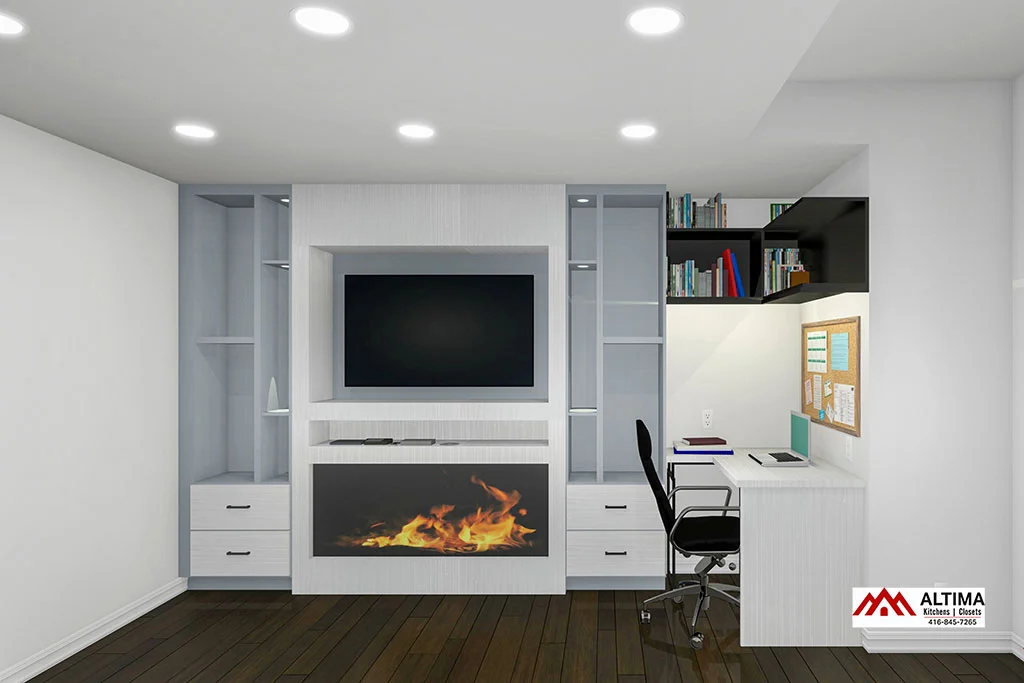
How Media unit contractor in Whitby is Changing the Game
Lifestyle is all about bringing something coherent to the overall experience of living. The kitchen and closets stand as two of the most influential spaces in a home that add to the overall experience of living. A Media Unit Company in Whitby by the name of Altima Kitchen and Closets Inc. is changing the overall […]