Commercial Remodels: Cut Downtime & Open Faster in 2026
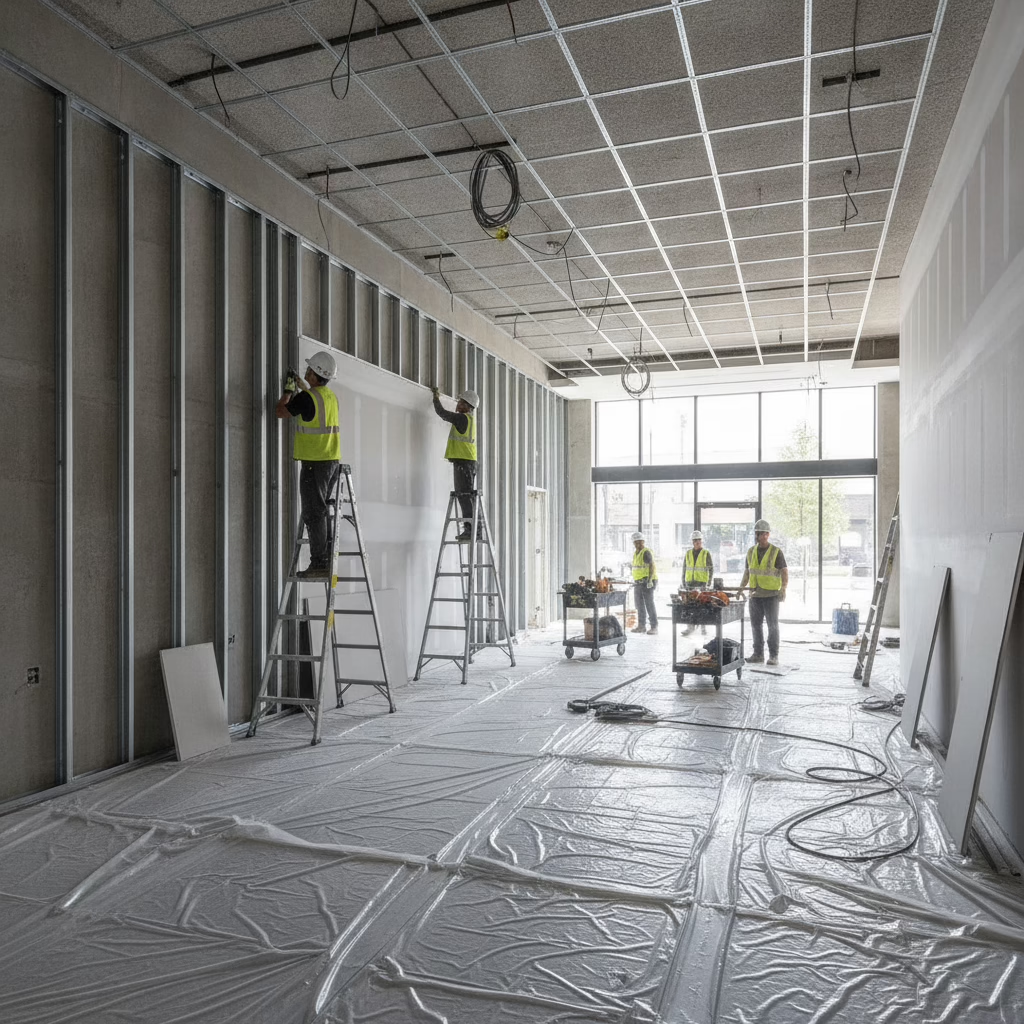
Commercial remodeling contractors are specialists who plan, permit, and build tenant improvements and interior upgrades for businesses. From our Brampton facility at 11 Edvac Drive, Altima Kitchens and Closets delivers design-build millwork and interior renovations across the GTA so you can reopen faster with less disruption.
By Ashok • Altima Kitchens and Closets
Last updated: 2026-06-17
Quick Summary & Table of Contents
This guide explains what commercial remodeling contractors do, how projects flow from design to punch list, and practical ways to cut downtime. You’ll get step-by-step workflows, delivery model comparisons, local logistics around 11 Edvac Drive, and checklists you can use to open sooner—without sacrificing quality.
Here’s what you’ll learn in minutes:
- What a commercial remodeling contractor actually handles day to day
- Why picking the right delivery model reduces risk and delays
- The step-by-step process from first walkthrough to turnover
- Best practices that protect schedules, finishes, and staff safety
- Tools, standards, and local logistics that matter around Brampton
- Mini case studies from retail, office, and hospitality fit-outs
- What Do Commercial Remodeling Contractors Do?
- Why the Right Contractor Matters
- How Commercial Remodels Work: Step-by-Step
- Delivery Models: GC vs Design-Build vs Millwork
- Best Practices to Cut Downtime and Risk
- Tools, Standards, and Resources
- Local Logistics at 11 Edvac Drive
- Mini Case Studies
- Commercial Remodeling Contractors: FAQ
- Conclusion and Next Steps
What Do Commercial Remodeling Contractors Do?
Commercial remodeling contractors coordinate design, permits, trades, materials, and schedules to deliver code-compliant business interiors. The best teams front-load planning, fabricate key components early, and stage work to keep your location operating safely while construction advances in defined zones.
In our experience, successful commercial remodels are about orchestration as much as construction. You need one accountable team driving scope, safety, and sequencing.
- Scope and planning: Site surveys, measurements, as-builts, and a constraint log. We capture utilities, egress, and existing conditions in week 1.
- Design integration: 2D space planning and 3D design iterations so stakeholders can approve layouts and finishes with confidence.
- Permitting and compliance: Drawings packaged for permit submission; life safety, accessibility, and ventilation are validated before demo.
- In-house millwork fabrication: Factory-direct cabinetry and custom fixtures staged to arrive just-in-time for install.
- Phased construction: Dust control, night or off-hour work, and temporary protections that keep customer areas clean and safe.
- Closeout and handover: Punch lists, O&M documentation, and training so your team is ready on day one.
Take a simple example: a retail expansion. A tight scope, an approved 3D model, and early millwork fabrication can shave several days from the critical path. Multiply that by fixtures, flooring, and lighting, and you protect opening day.
Why the Right Contractor Matters
Choosing the right contractor reduces downtime, change orders, and rework. Look for integrated design-build capabilities, in-house millwork, and a proven local track record—these factors consistently shorten schedules and improve finish quality across retail, office, and hospitality projects.
Here’s the thing: most delays start upstream—unclear scope, slow decisions, and material surprises. A contractor with design, factory, and install under one roof fixes that.
- Single point of accountability: Fewer handoffs mean fewer gaps. Our team manages drawings, fabrication, delivery, and install.
- Visualization reduces revisions: With 3D walkthroughs, stakeholders align on finishes and locations before anything is built.
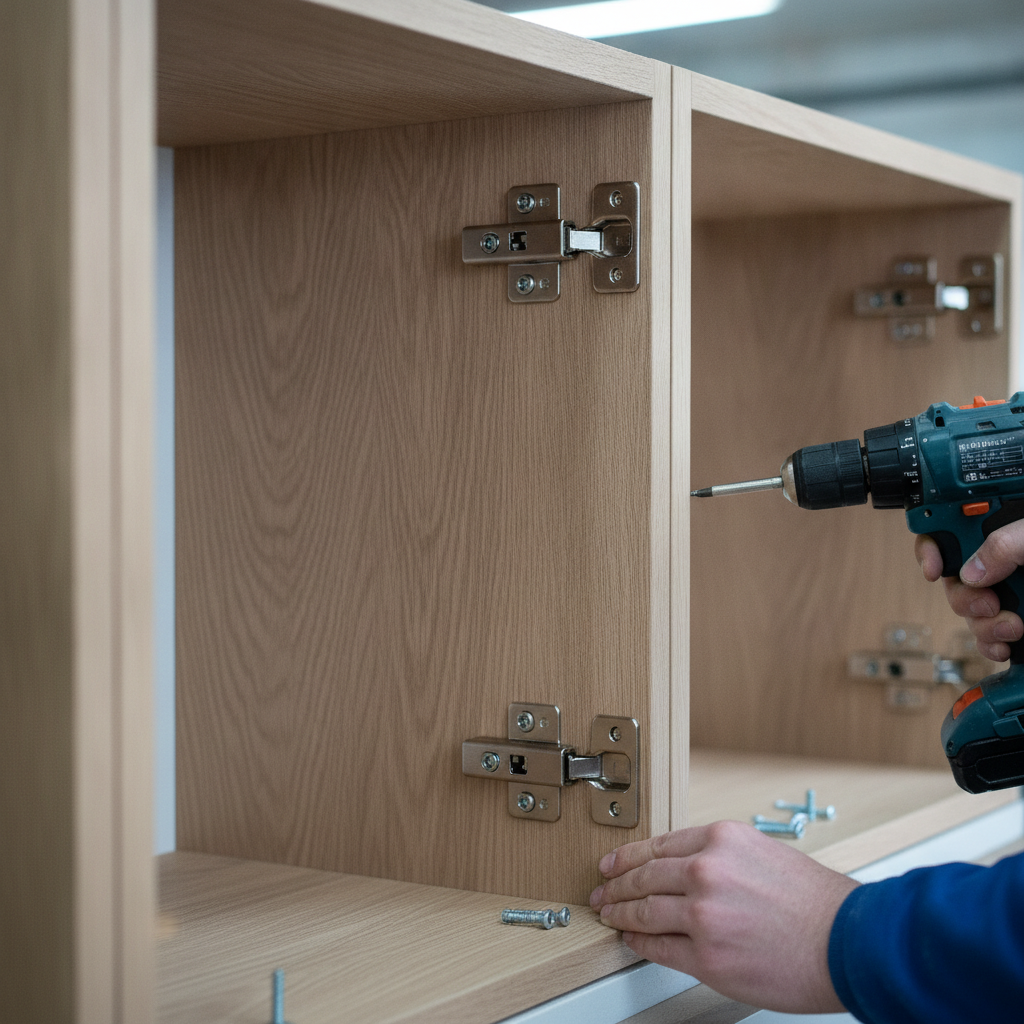
- Factory-direct millwork: Cabinets, counters, and panels are QC’d in our Brampton facility, then kitted for fast install.
- Structured communication: Daily logs, photo updates, and weekly coordination keep owners informed and decisions moving.
- Local expertise: Our GTA experience streamlines permits and inspections, and our crews understand plaza logistics and condo rules.
Consider an office refresh: rapid paint, flooring, and storage upgrades done zone-by-zone can keep teams productive. With overnight work windows, four zones can complete in two cycles without full shutdown.
How Commercial Remodels Work: Step-by-Step
A proven sequence—Discovery, Design, Permits, Fabrication, Build, and Turnover—keeps commercial remodels on track. Lock decisions early, fabricate off-site, and phase construction to maintain operations. Document closeout thoroughly so the space performs on day one.
Use this practical, repeatable workflow:
- Discovery (Days 1–5): Walkthrough, measurements, constraint log, and risk register. Capture egress, sprinklers, and accessibility.
- Concept & 3D (Week 2): Finalize adjacencies, fixture counts, and millwork packages. Approve finishes.
- Permits (Weeks 3–4): Submit coordinated drawings. Schedule required inspections.
- Fabrication (Weeks 3–6): CNC millwork, counters, and feature walls staged for just-in-time delivery.
- Build (Weeks 4–8): Demo, framing, MEP rough-in, drywall, paint, flooring, lighting, signage, and millwork install.
- Commission & Turnover (Final 2–3 days): Punch list, cleaning, O&M docs, and staff orientation.
Pro tip: lock finish selections before permit to prevent downstream changes. Early countertop templating and panel finishing often recovers multiple site days.

Delivery Models: GC vs Design-Build vs Millwork
General contracting, design-build, and millwork-led delivery each solve different problems. If speed and coordination are critical, design-build with in-house fabrication shortens handoffs and reduces rework. For fixture-heavy projects, a millwork specialist paired with a GC can be ideal.
Use this quick comparison to select the right approach for your location and timeline.
| Model | Best For | Pros | Watchouts |
|---|---|---|---|
| General Contractor (GC) | Clear drawings, competitive trade pricing | Broad trade network; familiar bid process | More handoffs; slower decisions; potential change orders |
| Design-Build | Fast-track schedules, evolving scopes | Single team; faster approvals; fewer surprises | Needs a proven design partner and transparent updates |
| Millwork-Led + GC | Fixture-heavy retail, branded interiors | Precision fabrication; shorter install windows | Coordinate early to avoid site-versus-shop clashes |
We operate as a design-build, factory-direct team for interiors—owning drawings, fabrication, delivery, and installation. That’s how we protect schedules even when scopes shift.
Considering a remodel? Explore options with a quick call. See how factory-direct millwork and phased construction can help you open sooner. Our commercial built-ins guide outlines practical upgrades that move fast.
Best Practices to Cut Downtime and Risk
Front-load design, standardize details, and stage materials off-site. Use dust control, off-hour work, and zone barricades to keep businesses running. Confirm daily goals, snap progress photos, and pre-punch sections before inspections to avoid schedule drift.
Scheduling and phasing
- Stagger trades: Overlap low-conflict tasks—paint touch-ups, lighting aim, and data pulls—without crowding zones.
- Night or weekend windows: Compress noisy work into defined blocks to protect daytime operations.
- Micro-milestones: Daily targets and photos build accountability and flag issues while they’re still small.
Quality and safety
- Mockups first: Approve one bay of shelving, a typical office, or a sample counter before full rollout.
- Protection plan: Floor protection, corner guards, and barrier walls help avoid rework.
- Toolbox talks: Five-minute start-of-shift briefs align safety, sequence, and site rules.
Communication and documentation
- One-page weekly: A concise plan with look-ahead, risks, and decisions required keeps everyone focused.
- Photo logs: Progress photos speed approvals and verify concealed work.
- Pre-punching: Address snags zone-by-zone so final turnover is clean.
Small habits prevent big delays. A ten-minute pre-shift review can save hours of rework later that week.
Tools, Standards, and Resources
Leverage 2D/3D design, factory automation, and shop-finished millwork to reduce site time. Follow safety and indoor air quality best practices, and document closeout thoroughly. The right tools shorten install windows and raise finish quality.
- Design tech: 2D plans and 3D models clarify adjacencies, storage, and lighting. Our design-build guide shows how early visuals prevent change orders.
- Manufacturing: Italian CNC machinery, pro spray finishing, and controlled curing produce consistent panels and doors.
- Installation kits: Kitted hardware, labeled panels, and prefinished trims speed on-site work.
- Safety & IAQ: Negative air, dust barriers, and HEPA vacuums limit disruption to active businesses.
- External guides: For broader context on planning, see this commercial remodeling overview and a local permit process explainer.
- Trade coordination sample: This commercial project example illustrates staged work in an operating facility.
Want a deeper dive on fixtures and built-ins? Our custom commercial millwork guide details materials, edges, and smart storage for back-of-house and customer areas.
Local Logistics at 11 Edvac Drive in the Regional Municipality of Peel
Around 11 Edvac Drive in Brampton, staging space, delivery windows, and plaza rules shape schedules. Clear load-in paths and coordinated off-hour work keep neighboring tenants happy and inspectors onside across the Regional Municipality of Peel.
Local coordination matters. We stage millwork from our factory nearby, then deliver during low-traffic windows to minimize impact on your business and neighbors.
- Access and parking: Reserve loading spots and pad building entries. A short dolly path protects finishes and speeds turnover.
- Noise and dust: Off-hour demo and negative air scrubbers keep adjacent suites comfortable while work proceeds.
- Inspections: Group inspections to reduce repeat visits and keep momentum between rough-in and closeout.
Local considerations for 11 Edvac Drive
- Schedule deliveries to avoid peak bus times near Williams Pkwy at 2500 Williams Pkwy.
- Use low-traffic windows for noisy tasks so families visiting Bottomwood Park aren’t affected.
- Plan staging inside the unit; lot space can be tight during daytime tenant turnovers.
Looking beyond Brampton? Our teams regularly coordinate across the GTA; see our Mississauga renovation page for city-specific nuances.
Mini Case Studies: Retail, Office, Hospitality
Phased construction, factory-finished millwork, and clear decision gates reduce risk across retail, office, and hospitality. These mini case studies show how standard details and smart sequencing protect opening dates while elevating the brand experience.
Retail refresh in an active plaza
- Challenge: Tight storefront, limited storage, and weekend-only closures.
- Approach: Prefab shelving, cash wrap, and backroom cabinets shipped in kits; overnight install with floor protection and barricades.
- Result: New brand wall, lighting, and fixtures completed across two weekends without weekday shutdown.
Office storage and collaboration upgrade
- Challenge: Teams on-site, limited swing space, and noise sensitivity.
- Approach: Zone sequencing; standard cabinet details; plug-and-play media walls for huddle rooms.
- Result: Four zones completed in two cycles with night work and day cleaning; staff remained productive.
Hospitality bar and back-of-house
- Challenge: Health and safety rules, durable finishes, and tight back bar geometry.
- Approach: Factory-finished panels, integrated lighting, and sealed counters; coordinated MEP rough-ins.
- Result: Faster service layout with durable, easy-clean surfaces and concealed storage.
Each scenario used our in-house design, factory fabrication, and installation team to shrink the on-site window.
Commercial Remodeling Contractors: FAQ
Most owners ask about schedules, working while open, and permit steps. The short answer: lock scope early, phase construction, and coordinate inspections tightly. With one accountable team, businesses can often stay open while upgrades progress zone-by-zone.
Can we stay open during a remodel?
Yes, if scope and safety allow. We phase work, use dust barriers, and shift noisy tasks to off-hours. Customer paths, signage, and daily cleaning keep the space welcoming while construction advances in defined zones.
What’s the typical sequence for tenant improvements?
Walkthrough and measurement, design and 3D review, permit drawings, fabrication, phased construction, and turnover. We kit millwork off-site and deliver just in time. Weekly plans and grouped inspections maintain momentum.
How do you control dust and noise?
We combine negative air machines, zipper barriers, HEPA vacuums, and clean-as-you-go protocols. Noisy tasks land in defined windows. Floors, corners, and doorways get protection to reduce rework and keep customers comfortable.
Do you provide design and millwork in-house?
Yes. Our design team creates 2D/3D layouts, and our Brampton factory fabricates cabinetry, counters, and feature walls. Factory-direct staging shortens install windows and improves finish quality.
Conclusion and Next Steps
Open faster by locking scope early, choosing the right delivery model, and leveraging factory-direct millwork. A single accountable team reduces handoffs, protects quality, and keeps your business operating safely during construction.
Ready to move from idea to opening day? Let’s map scope, milestones, and a phased plan tailored to your hours and foot traffic. Explore our millwork guide or review our design-build approach to see how we streamline projects across the GTA.
Key Takeaways
Commercial remodel success hinges on early decisions, integrated teams, and staged materials. Use 3D approvals, factory-finished millwork, and phased construction to protect schedules, quality, and customer experience.
- Integrated design + factory + install shrinks timelines and handoffs.
- 3D approvals and mockups reduce revisions and rework.
- Phased, off-hour construction keeps businesses safely operating.
- Protection plans and photo logs preserve finishes and transparency.
- Local logistics around 11 Edvac Drive favor just-in-time deliveries.
Related Posts
Why Choose Kitchen Renovation Company
Nowadays, Kitchen spaces are not only a place for cooking and serving food, but these areas act as a statement, as they speak a lot about a family, the philosophy and personality of individuals, and spaces. If you admire aesthetics and adorn the beauty of your home, you must pay attention to the interior design […]
How a Kitchen Renovation Contractor is Changing the Game
Lifestyle is all about bringing something coherent to the overall experience of living. The kitchen and closets stand as two of the most influential spaces in a home that add to the overall experience of living. A Kitchen Renovation Contractor in Whitby by the name of Altima Kitchen and Closets Inc. is changing the overall […]
How Media unit contractor in Whitby is Changing the Game
Lifestyle is all about bringing something coherent to the overall experience of living. The kitchen and closets stand as two of the most influential spaces in a home that add to the overall experience of living. A Media Unit Company in Whitby by the name of Altima Kitchen and Closets Inc. is changing the overall […]