Kitchen Renovation Costs: Avoid Surprises in 2026
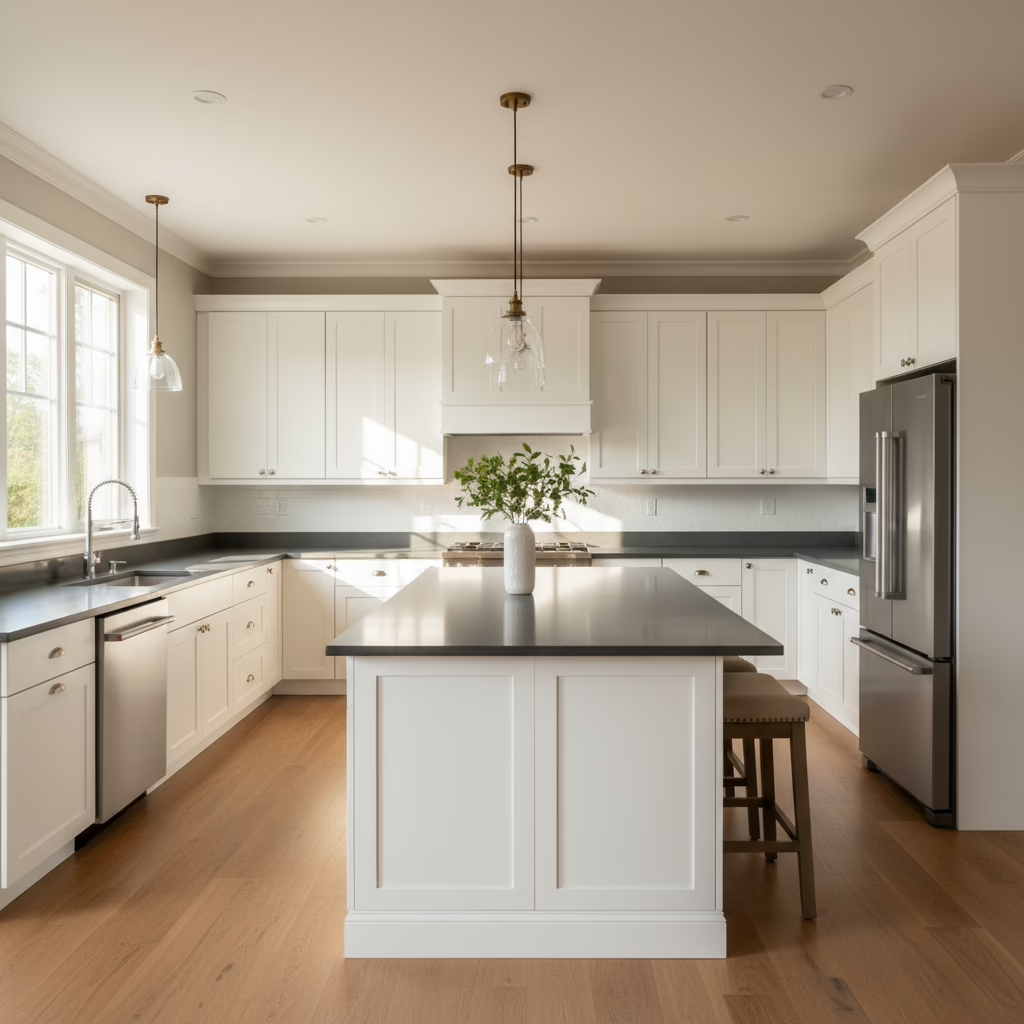
Average kitchen reno cost is the sum of scope, materials, layout moves, and trade coordination that determine your project’s investment level. For homeowners around 11 Edvac Drive and across the GTA, Altima Kitchens and Closets clarifies each driver with itemized scopes, 2D/3D designs, and factory-direct cabinetry so you can plan confidently—without guesswork.
By Ashok — Altima Kitchens and Closets
Last updated: 2026-05-21
At a Glance
Average kitchen reno cost depends on decisions you control: layout changes, cabinet construction and finish, countertops and backsplash, appliances, lighting, flooring, and schedule. Locking layout early, choosing one finish tier, and using 2D/3D design reduce scope creep and help you avoid mid-project surprises and delays.
Use this quick overview to frame your plan. Then explore the deeper guidance below to understand scope options, timelines, sequencing, material comparisons, and best practices that keep your renovation on track.
- What affects “average” most: layout moves, cabinet quality, surface selections, and trades.
- Why clarity matters: detailed line items and visualizations cut risk.
- What you’ll master: scope tiers, process steps, and material pros/cons—without pricing.
- How Altima helps: in-house design/install, factory-direct cabinetry, lifetime-warranty door options, and financing with 0% down.
What Is “Average Kitchen Reno Cost”?
“Average kitchen reno cost” is not a single number; it’s a scope profile made of measurable choices: layout complexity, cabinetry construction and finish, surfaces, appliances, lighting, flooring, and compliance work. The mix you choose sets timeframes, team size, and fabrication lead times—ultimately defining your renovation’s investment level.
When people ask for an average, they’re really asking which decisions move budgets up or down. That’s why we define cost as a stack of controllable inputs rather than an internet number that rarely fits your home. Practical planning starts by sizing each input clearly.
- Layout intensity: leaving services in place versus relocating plumbing, electrical, and ventilation.
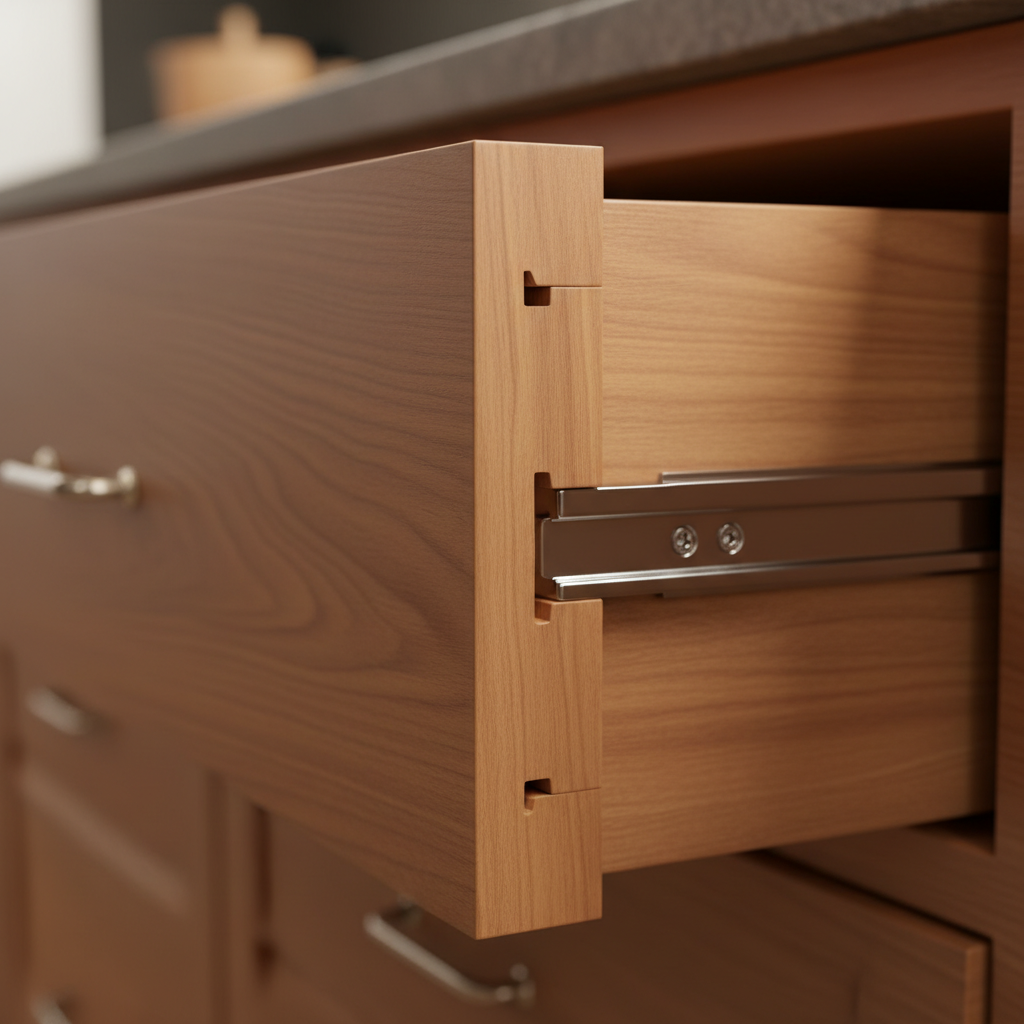
- Cabinet boxes: melamine vs plywood, drawer construction, and hardware (soft-close, organizers).
- Door finish: prelaminated, thermofoil, or painted MDF with pro spray-booth quality.
- Surfaces: quartz, granite, or porcelain slabs; backsplash tile type and height.
- Appliances: standard vs panel-ready/built-in with ventilation needs.
- Lighting: task, ambient, and accent layers with dimming and valance lighting.
- Flooring: tile, engineered hardwood, luxury vinyl plank—each with prep needs.
- Compliance: permits for structural changes and electrical service upgrades.
In our experience guiding GTA homeowners, the biggest variable is layout change. Keeping the sink, stove, and major services where they are shortens coordination windows. Reconfiguration is worth it when functionality jumps—like gaining a proper work triangle, better sightlines, or an island that truly seats four.
Why Understanding the “Average” Matters
Clarity on average kitchen reno cost prevents scope creep, change orders, and delays. When every decision is tied to a line item and a 2D/3D visual, you can trade off features early, protect your timeline, and align expectations—especially in condos with access rules and booking windows.
Here’s the thing: surprises don’t come from one big item; they accumulate from small, late decisions. A cabinet pull change can alter drilling patterns; a taller backsplash shifts outlet placements; a panel-ready fridge changes panel construction. Clear design rooms out these ripples before fabrication.
- Reduce rework: decisions are locked before production using 2D plans and 3D renders.
- Shorten installs: factory-direct cabinets arrive aligned to site-ready specs.
- Protect finishes: sequencing (floors, cabinets, counters, backsplash, paint) minimizes damage.
- Condo reality: elevator bookings and quiet hours require airtight scheduling.
We’ve found homeowners breathe easier when they see their exact kitchen—down to door profiles and lighting—before signing off. That shared picture is the fastest path to an on-time, on-scope remodel.
How Kitchen Renovation Budgets Are Built
Kitchen budgets are assembled from quantities and specifications: cabinet linear footage, box material, door finish, hardware, countertop square footage, backsplash coverage, appliance specs, lighting counts, and any service relocations. Mapping each choice to a line item lets you right-size scope without guesswork.
Think of your kitchen as a set of measurable components. When each is defined, you gain levers to scale finish levels up or down while keeping the layout intact.
- Discovery and measurement: capture room dimensions, openings, plumbing and electrical points.
- Concept to 2D: plan clearances, the work triangle (often 13–26 feet in total runs), and landing zones.
- 3D visualization: preview door styles, colors, lighting color temperature, and appliance fits.
- Itemized quote: line-by-line cabinetry, counters, backsplash, lighting, flooring, and accessories.
- Value engineering: swap finishes, accessories, or fabrication details without changing layout.
- Permits and prep: secure approvals where required; plan protection and dust control.
- Fabrication: Italian CNC machining and spray-booth finishing for painted MDF doors.
- Installation: cabinets, template, counters, backsplash, final electrical, plumbing, paint.
Altima’s in-house design and installation team closes the loop between drawings and field conditions. That’s how we maintain alignment from showroom selections to your finished space.
Local considerations for 11 Edvac Drive
- Plan winter deliveries and installs to protect finishes from snow and temperature swings during transport and acclimation.
- Condo renovations near Brampton require advance coordination for elevator access and quiet hours—book windows early to avoid schedule slips.
- GTA fabrication lead times for quartz and custom doors fluctuate seasonally; build in buffer to keep your template and install dates firm.
Types of Kitchen Renovation Scope (and What Drives Each)
Scope comes in tiers: refresh, pull-and-replace, layout reconfiguration, and full gut with structural or service upgrades. Each tier stacks different trades, lead times, and site protections—so choosing the right tier is the fastest way to right-size your renovation.
Not every kitchen needs a full reset. Define your goals, then match them to the right tier so your timeline and site disruption stay proportionate.
1) Refresh (Keep Boxes)
- What it is: keep the cabinet boxes; update doors, hardware, lighting, backsplash, and counters.
- Why it works: least invasive, fastest turnaround; preserves flooring if in good condition.
- Good for: solid cabinet boxes, functional layout, and cosmetic modernization.
2) Pull-and-Replace
- What it is: remove existing cabinets and surfaces; install new cabinetry in the same layout.
- Why it works: upgrades storage and quality without complex relocations.
- Good for: maximizing value when the footprint already flows well.
3) Layout Reconfiguration
- What it is: move appliances, sink, or walls to improve flow and function.
- Why it works: unlocks seating, storage, and sightlines; adds islands or pantries.
- Good for: addressing bottlenecks like corner congestion or poor landing zones.
4) Full Gut with Upgrades
- What it is: down to studs; rewire, replumb, add lighting circuits, adjust structure if needed.
- Why it works: futureproofs with modern services and insulation; enables any layout.
- Good for: aging infrastructure, water damage, or major design transformation.
Altima supports all four tiers with factory-direct cabinetry, professional installation, and lifetime-warranty door options on select lines, so you can pick the tier that fits your goals without sacrificing build quality.
Material and Methods Comparison
Material choices shape durability, maintenance, and lead times. Melamine boxes and prelaminated doors speed delivery; plywood boxes and painted MDF doors add rigidity and premium finishes. Quartz counters simplify care, while porcelain excels in heat and scratch resistance. Choose based on lifestyle and timeline.
Use this comparison to align expectations before selections. It’s easier to value-engineer before you fall in love with a finish that doesn’t match your timeline or maintenance goals.
| Category | Option | Strengths | Considerations | Typical Use |
|---|---|---|---|---|
| Cabinet Box | Melamine | Stable, clean interior, efficient lead time | Edge durability relies on quality banding | Most modern kitchens |
| Cabinet Box | Plywood | Rigidity, screw-holding strength | More site protection to avoid moisture exposure | High-traffic, long-span boxes |
| Doors | Prelaminated | Fast, consistent finish | Visible seams on some profiles | Contemporary styles |
| Doors | Thermofoil | Uniform color, easy to clean | Sustained high heat requires protection | Clean-line designs |
| Doors | Painted MDF | Premium spray-booth finish, endless colors | Requires acclimation and careful handling | Transitional/shaker styles |
| Counters | Quartz | Low maintenance, color-consistent | Hot pots need trivets | Busy households |
| Counters | Granite | Natural variation, heat tolerant | Periodic sealing on some stones | Natural-look projects |
| Counters | Porcelain | Excellent heat/scratch resistance | Edge detailing requires specialized fabrication | Ultra-modern, thin profiles |
| Backsplash | Tile (ceramic/porcelain) | Wide styles, durable | Grout maintenance | Most layouts |
Want a deeper dive into planning? See our in-depth kitchen renovation cost guide for process details, sequencing, and design considerations.
Best Practices to Control Scope, Time, and Risk
The best way to control an “average” kitchen reno cost is to fix the layout early, pick a single finish tier, and lock selections before fabrication. Protect your timeline with realistic lead times, condo logistics planning, and a clean install sequence.
These practices come from delivering thousands of projects across the GTA with one coordinated, in-house team.
- Freeze the layout: move services only when the functional gain is worth it.
- One finish tier: avoid mixing premium and entry lines that complicate edges and matching.
- Plan lighting layers: task (under-cabinet), ambient (ceiling), and accent (valance/inside pantry).
- Right-size storage: pull-out pantries, spice pull-outs, and lazy susans where they add daily value.
- Protect install: cover floors, stage materials, set a dust plan, and define a room for cutting.
- Book elevators early: condo timing drives everything from delivery to noisy work windows.
- Visual sign-off: use 2D/3D to remove ambiguity before CNC files are cut.
For more owner-friendly planning help, review our how to plan a kitchen renovation guide and our project management timeline.
How Altima Delivers Predictable Results
Altima streamlines kitchens with a true design-build model: in-house designers, factory-direct cabinetry, Italian CNC machining, pro spray-booth finishing, and dedicated installers. You get one accountable team, itemized quotes, and real-time updates—so timelines and selections stay aligned from start to finish.
Here’s how our one-stop workflow keeps your project smooth and on schedule, even in busy GTA seasons.
- Showroom or in-home consult: discuss goals, take measurements, and review inspiration.
- 2D plans and 3D renders: validate clearances, appliance specs, and lighting.
- Itemized quoting: line items for cabinets, counters, backsplash, lighting, flooring, and accessories.
- Manufacturing: Italian CNC precision and spray-booth painted MDF door quality.
- Installation: protective site setup, phased trades, templating, and finish work.
- Warranty and care: lifetime warranty on MDF Painted and Prelaminated doors; walkthrough and maintenance tips.
Want help comparing contractor models? Our design-build remodel guide explains where single-team accountability prevents scope gaps.
Tools, Resources, and Checklists You Can Use
Leverage itemized scopes, 2D/3D visualizations, finish boards, and a simple milestone checklist. These tools clarify decisions, reduce late changes, and help you coordinate delivery, condo access, and trades without friction.
- Scope checklist: cabinets, hardware, organizers, counters, backsplash, lighting, flooring, paint.
- Quantity map: cabinet linear feet, counter square feet, backsplash linear footage and height (often 18 inches), outlet count, light count.
- Finish board: door sample, counter sample, backsplash tile, floor, and paint swatches in one place.
- Milestone calendar: final design sign-off, order date, fabrication window, delivery, install, template, counter set, backsplash, finals.
- Access plan: elevator bookings, parking, loading door windows, noise hours—especially for condos.
Prefer to start with financing to lock a comfortable monthly plan? Explore our kitchen renovation financing options with 0% down approvals and flexible terms.
Mini Case Studies: Right-Sizing “Average” to Real Homes
Three quick GTA scenarios show how the same space can produce very different “average” outcomes. The common thread: clear layout decisions, consistent finish tiers, and one accountable team keep projects predictable and on-time.
Detached Home, Family-Centric
- Goal: island seating for four, durable surfaces, bright task lighting.
- Scope: pull-and-replace cabinetry, quartz counters, 18-inch backsplash, under-cabinet LED, LVP flooring over prepped subfloor.
- Why it works: function upgrade without moving services; rapid install window.
Condo, Logistics-Heavy
- Goal: maximize storage, panel a dishwasher, respect quiet hours.
- Scope: melamine boxes, painted MDF shaker doors, pull-out pantry, panel-ready dishwasher, compact quartz slabs.
- Why it works: elevator-friendly deliveries; staging protects common areas.
Older Home, Systems Upgrade
- Goal: rewire for lighting zones; improve work triangle.
- Scope: layout reconfiguration with new circuits, porcelain counters for heat resistance, backsplash to ceiling behind range.
- Why it works: futureproofs services while delivering design impact.
If your project spans kitchen plus adjacent rooms, see our full home renovation guide on consolidating trades and sequencing for less disruption.
Installation, Sequencing, and Quality Control
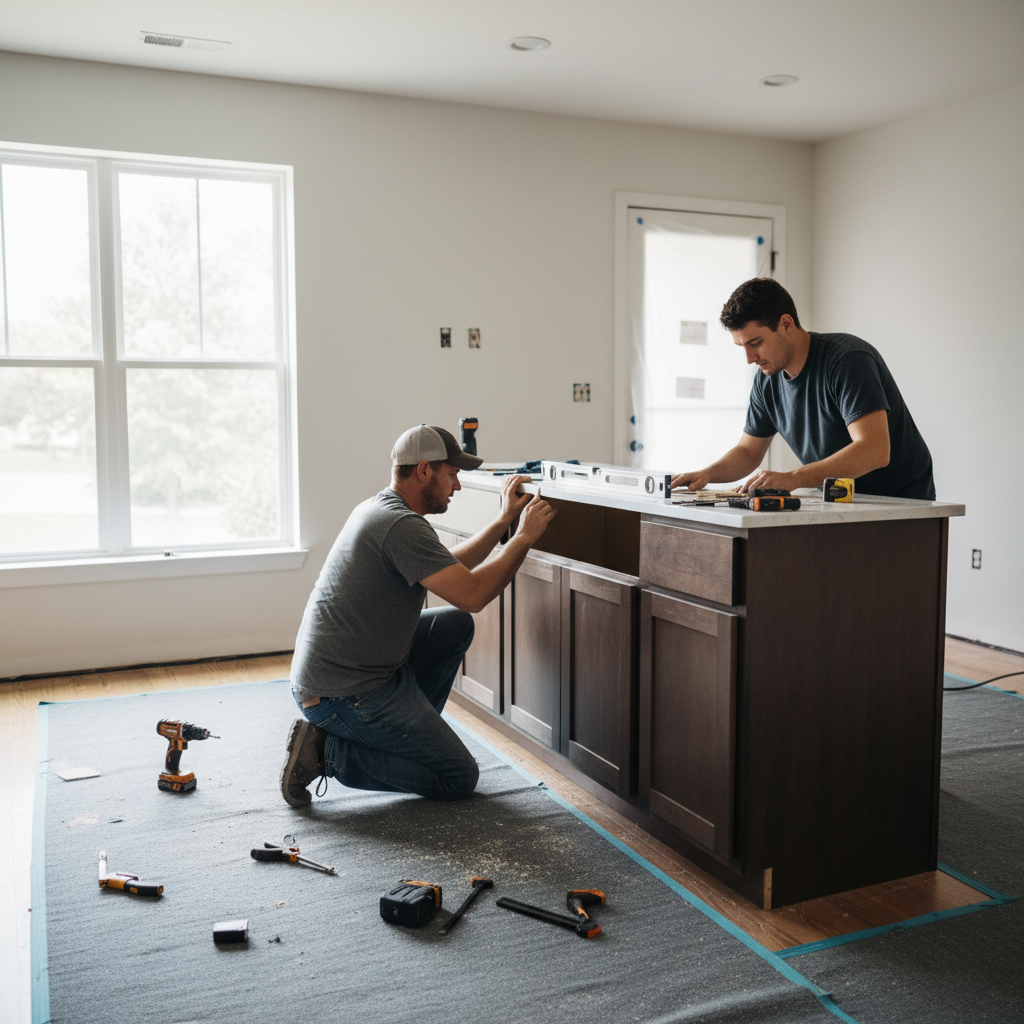
Smooth installs follow a predictable sequence: site protection, demolition, layout verification, cabinet set, template, countertop install, backsplash, finals, and paint. Each phase has sign-offs that prevent rework and keep the schedule tight—especially in condos.
- Protection: floor coverings, dust barriers, and appliance wraps before work begins.
- Demo and verify: confirm stud locations, plumbing and electrical runs; adjust blocking.
- Cabinets: level bases, anchor tall units, confirm appliance reveals and panel gaps.
- Template: accurate counter templates; sink and faucet specs confirmed on-site.
- Counters: seam placement strategy; overhangs typically 1–1.5 inches; attach sink.
- Backsplash: outlet heights coordinated with tile layout; caulk and grout timing.
- Finals: lighting, hardware, appliance hookups, door/drawer adjustments.
Our in-house installers coordinate directly with design and manufacturing, eliminating handoff gaps that often cause delays elsewhere.
Alternatives and Upgrades to Consider
If your cabinet boxes are sound, door replacement and refacing can refresh the space fast. Upgrades like pull-out pantries, spice pull-outs, and LED valance lighting add daily function without extending timelines significantly.
For a deeper look at refacing trade-offs and when it makes sense, see this practical cabinet refacing guide. It explains ways to modernize faces, adjust hardware, and coordinate counters for a cohesive result.
- Door-only updates: preserve boxes; new doors, hinges, and handles change the look.
- Refacing: apply new faces and veneers; pair with organizers for best value.
- Lighting upgrades: under-cabinet LEDs, toe-kick LEDs, inside-pantry lights.
- Storage systems: pull-out pantry, corner solutions, tray dividers, cutlery inserts.
If you’re weighing paint vs new doors, this cabinet repainting resource outlines durability and prep considerations to help you decide based on finish longevity—without discussing pricing.
Frequently Asked Questions
Most kitchen questions boil down to scope, logistics, and finish choices. These concise answers help you decide what to lock first, how to schedule around condo rules, and when permits or 3D visuals speed approvals and reduce rework.
How long does a typical kitchen renovation take?
Timelines vary by scope and logistics. Design and approvals can take several weeks, fabrication follows, and installation is phased to keep your home functional. Locking layout and selections early shortens the overall schedule and reduces mid-project changes.
Do I need a permit for my kitchen remodel?
Permits are required for structural changes, electrical service modifications, or major plumbing relocations. A design-build contractor prepares drawings and coordinates submissions so inspections align with your installation sequence.
What’s the best first decision to control scope?
Freeze your layout. Decide whether sinks, ranges, and major appliances will move. Keeping services in place simplifies coordination, reduces risk, and keeps your renovation closer to an “average” scope without sacrificing design impact.
How do condos change the remodeling plan?
Condo projects require elevator bookings, protection for common areas, and quiet-hour compliance. Practical planning builds these windows into the schedule and may influence material sizes, delivery sequencing, and daily work plans.
Can I refresh my kitchen without replacing cabinets?
Yes—if boxes are sound, door replacement or refacing can modernize your look. Pair face updates with new hardware, organizers, and lighting for meaningful function gains without the disruption of a full reconfiguration.
Key Takeaways and Next Steps
Define scope first, then finish tier, then schedule. Use itemized quotes, 2D/3D visuals, and one accountable team to keep your remodel predictable. When each decision is locked before fabrication, your “average” stays on track—without surprises.
- Key takeaways
- Average kitchen reno cost is a scope profile you control.
- Layout changes drive complexity; lock them early.
- Choose one finish tier and stick to it.
- Use 2D/3D to eliminate ambiguity before CNC and spray.
- Condo logistics shape delivery, staging, and work windows.
- Action steps
- Book a consult with photos and rough measurements.
- Review 2D plans and 3D renders to finalize layout.
- Confirm an itemized scope and milestone calendar.
- Leverage 0% down financing to start on your timeline.
Curious about cabinet door construction? This overview on standard vs custom cabinet doors explores profiles and build quality so you can pick the right look and durability for your space.
Book your design session in Brampton and let our in-house team at Altima Kitchens and Closets coordinate design, manufacturing, and installation under one roof—so your kitchen renovation stays on scope and on schedule.
Related Posts
Why Choose Kitchen Renovation Company
Nowadays, Kitchen spaces are not only a place for cooking and serving food, but these areas act as a statement, as they speak a lot about a family, the philosophy and personality of individuals, and spaces. If you admire aesthetics and adorn the beauty of your home, you must pay attention to the interior design […]
How a Kitchen Renovation Contractor is Changing the Game
Lifestyle is all about bringing something coherent to the overall experience of living. The kitchen and closets stand as two of the most influential spaces in a home that add to the overall experience of living. A Kitchen Renovation Contractor in Whitby by the name of Altima Kitchen and Closets Inc. is changing the overall […]
How Media unit contractor in Whitby is Changing the Game
Lifestyle is all about bringing something coherent to the overall experience of living. The kitchen and closets stand as two of the most influential spaces in a home that add to the overall experience of living. A Media Unit Company in Whitby by the name of Altima Kitchen and Closets Inc. is changing the overall […]