Kitchen Design: Save Space & Love Your Home More in 2026
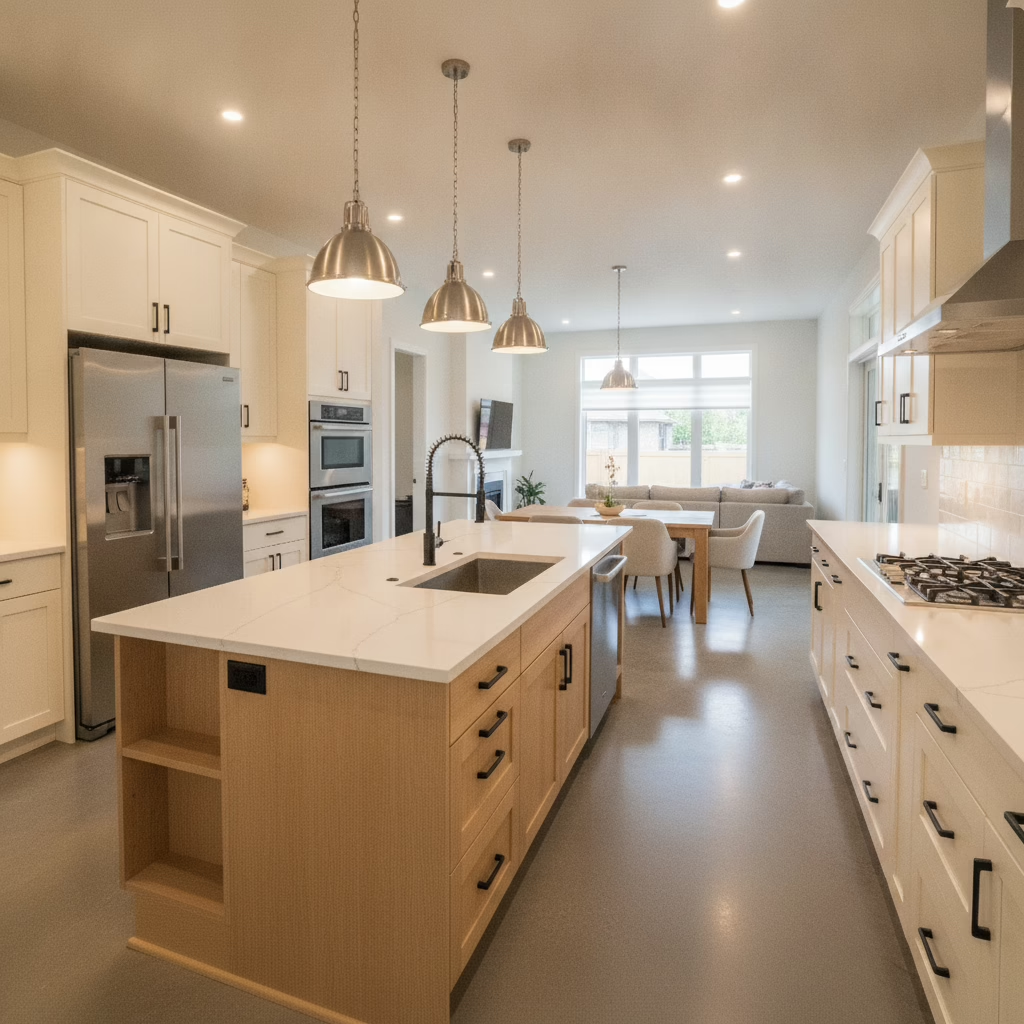
Kitchen design concept refers to the complete plan that defines how a kitchen looks, works, and feels—from layout and storage to lighting and finishes. A strong concept links daily routines to clear design rules, so every inch serves a purpose. For homeowners near 11 Edvac Drive, a well-defined concept streamlines decisions and delivers a kitchen you’ll love to use.
By Ashok · Altima Kitchens And Closets
Last updated: 2026-06-24
Above-the-fold: hook + table of contents
A practical kitchen starts with a clear concept: purpose, layout, storage, lighting, and finishes all tied to how you live. Use a concise plan up front to avoid rework later. This guide shows the steps Altima uses—from 2D/3D design to factory-direct build—to move you from idea to installed kitchen.
- What is a kitchen design concept?
- Why it matters for GTA homes
- How kitchen design works (Altima workflow)
- Types, methods, and approaches
- Best-practice rules that actually help
- Tools and resources to plan smarter
- Real GTA examples
- FAQ
- Key takeaways
- Conclusion
Overview
A complete kitchen concept aligns function, style, and budget into one plan. Define household routines, choose a layout that fits, then lock storage, lighting, ventilation, and materials. Altima’s in-house design, 2D/3D drawings, and factory-direct cabinetry help GTA homeowners make confident, timely decisions.
Here’s what you’ll get in this expert guide:
- Clear definitions of layout types and when to use each.
- Actionable measurements for aisles, heights, and reach zones.
- Workflow you can follow from brief to build with 2D/3D proof.
- Storage upgrades that fix everyday clutter fast.
- Lighting, ventilation, and durability choices that last.
What is a kitchen design concept?
A kitchen design concept is the master plan that unites your layout, storage, lighting, appliances, and finishes around how you cook and live. It defines rules—clearances, ergonomics, and zones—so decisions stay consistent and the space works beautifully day one.
Think of it as your north star. The concept translates routines—meal prep, coffee, cleanup, kids’ snacks—into layout and storage that reduce steps and strain. It also aligns style choices so cabinets, counters, and hardware feel cohesive, not pieced together.
Core ingredients of a concept
- Purpose and people: Who cooks? How often? Any mobility needs?
- Layout logic: L-shaped, U-shaped, galley, peninsula, or island—picked for your room size and traffic.
- Zones: Prep, cook, clean, serve, and store placed in a logical flow.
- Measurements: Aisle widths, counter heights, landing areas, and appliance clearances.
- Storage systems: Drawers vs. doors, pull-outs, vertical dividers, and corner solutions.
- Lighting layers: Ambient, task, and accent lighting so counters are bright and glare-free.
- Materials palette: Cabinet finish, countertop, backsplash, flooring, and hardware that work together.
When these parts align, you get fewer trips across the room, easier cleanup, and a kitchen that still works as life changes.
Why kitchen design concepts matter for GTA homes
A clear concept prevents layout mistakes, crowding, and piecemeal finishes. In GTA homes—where space is precious and timelines are tight—concept-led design lets you choose once, build once, and avoid costly revisions.
In our experience across Brampton, Toronto, Mississauga, Oakville, and Vaughan, concept-first planning reduces decision fatigue. It sets constraints early—like a 42-inch main aisle or a 36-inch standard counter height—so every selection supports use and longevity. That means fewer compromises later.
- Small spaces: Galley or L-shapes with a 36–42 inch aisle keep traffic moving.
- Busy families: Zones separate breakfast rush from evening meal prep.
- Entertainers: Islands add seating and landing zones near the fridge and oven.
- Condos: Tall pantries, drawer banks, and integrated trash maximize every inch.
- Aging-in-place: Full-extension drawers and 18-inch dishwasher side clearances make daily use easier.
Because Altima designs, manufactures, and installs under one roof, we can align your concept to actual cabinet capabilities, accessory lines, and finish durability from day one—boosting confidence and build quality.
How kitchen design works: from brief to 3D to build
Great kitchens follow a repeatable path: discovery, measure, concept sketch, 2D plans, 3D visuals, specification, factory production, and installation. Altima’s in-house team controls each step so your approved concept is the one that’s built.
Here’s our streamlined workflow used in GTA homes—including projects near 11 Edvac Drive:
- Discovery + goals: Clarify routines, wish list, must-haves, and limitations.
- On-site measure: Verify walls, windows, mechanicals, and floor level variance.
- Concept + layout: Test layouts (L, U, galley, island) against traffic and appliance landings.
- 2D plans: Lock elevations, clearances, and cabinet types with precise dimensions.
- 3D renders: Validate proportions, lighting, and material harmony before build.
- Specifications: Choose cabinetry (box, door style, finish), countertops, backsplash, hardware, and lighting.
- Manufacturing: Our Italian CNC machines cut parts to spec; finishes are applied in our spray booth.
- Installation: In-house installers set boxes, scribe panels, align doors, and fit tops and backsplash.
- Walkthrough: We review operation of hinges, lighting, and accessories; document care and warranty.
Visual confirmation matters. 2D/3D design lets you “try on” door profiles, quartz patterns, and backsplash layouts so there are no surprises during install. For more on early planning, see our kitchen renovation planning guide.
Types, methods, and approaches
Choose a layout that fits your room, then refine with zones, storage systems, and a materials palette. L- and U-shapes suit medium rooms; galleys excel in condos; islands add seating and prep space. Storage upgrades and lighting layers turn a good plan into a great one.
Common layout types (and when to use them)
- Galley: Efficient for narrow rooms; parallel counters with a 36–42 inch aisle.
- L-shaped: Flexible for open plans; supports a small island if aisles remain 39–42 inches.
- U-shaped: Maximum storage and counter area; target 42–48 inch center aisle.
- Peninsula: Adds seating and separation where a full island won’t fit.
- Island: Ideal for entertaining and homework; ensure at least 42 inches around.
Work triangle vs. work zones
- Triangle: Connects sink, cooktop, and fridge; total run commonly targeted at 13–26 feet.
- Zones: Prep, cook, clean, coffee, bake—suited to multi-cook households and open plans.
- Blend both: Use a compact triangle inside broader zones for flexible, modern living.
Storage systems that change daily use
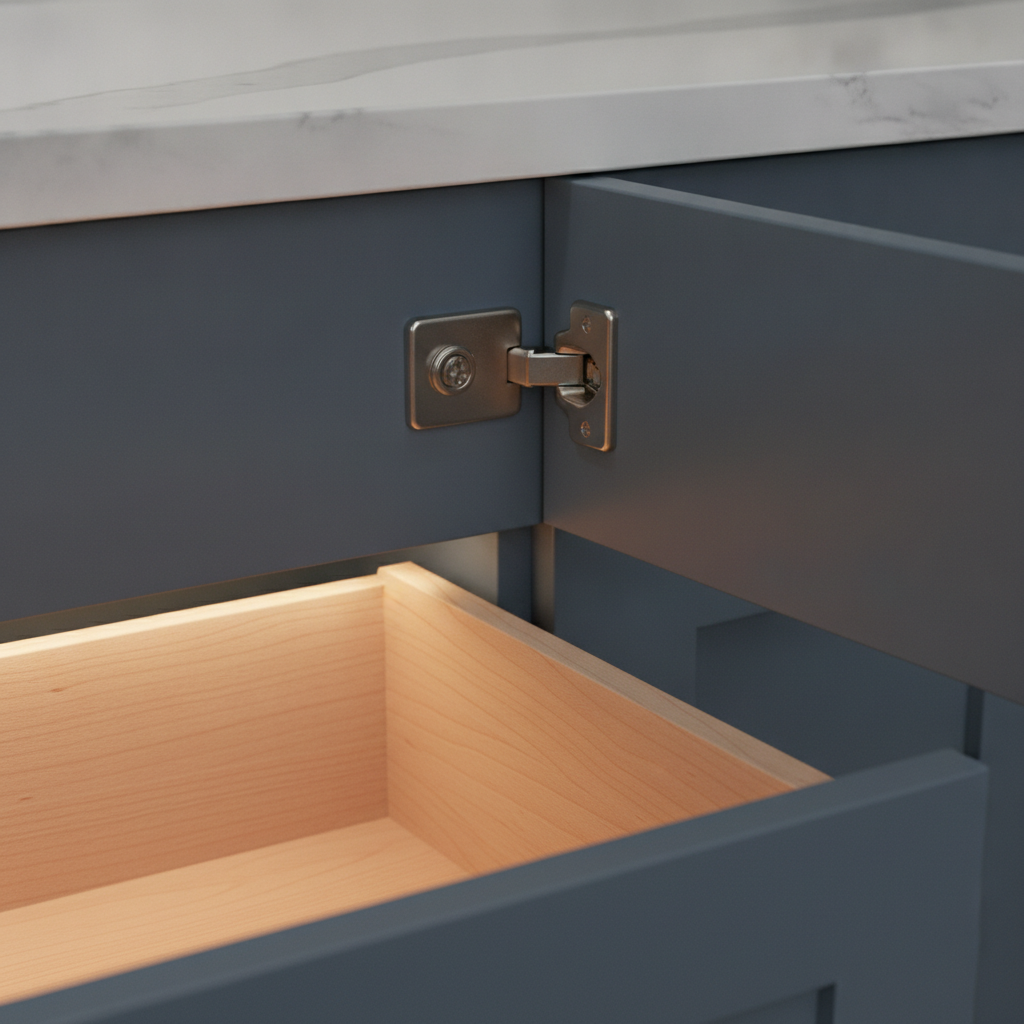
- Drawer banks at 30–36 inches wide for pots and pans (full-extension, soft close).
- Pull-out pantry near the fridge; 12–18 inches wide for staples and snacks.
- Corner solutions: LeMans trays or a well-tuned lazy susan to stop dead corners.
- Vertical dividers for baking sheets and cutting boards in a 9–12 inch cabinet.
- Built-in trash/recycling by the prep sink; plan 18 inches of width.
Materials palette and style direction
- Cabinets: Painted MDF with lifetime-warranty doors, textured laminates, or stained woods.
- Countertops: Durable quartz with eased or mitered edges; aim for 24 inches of prep next to the sink.
- Backsplash: Full-height quartz or tile in a simple running bond or stacked pattern.
- Hardware: Matte black or brushed metal; stay consistent across pulls and knobs.
- Flooring: LVP, porcelain, or engineered wood; target slip resistance and easy care.
Quick comparison: triangle vs. zones
| Approach | Best for | Pros | Watch-outs |
|---|---|---|---|
| Work triangle | Smaller kitchens, single cook | Short steps, simple planning | Can bottleneck with multiple cooks |
| Work zones | Open plans, families, entertaining | Flexible, avoids crowding | Needs disciplined storage labeling |
Want deeper idea boards? Explore our custom kitchen design ideas and see how we combine layouts, styles, and storage across GTA homes.
Best-practice rules that actually help
Follow a short list of measurements and choices and most kitchens work better: main aisles around 42 inches, counters at 36 inches, 18 inches of landing next to sinks and ovens, layered lighting, and quiet ventilation. Add drawer-heavy storage and cleanup gets easier overnight.
Ergonomics and clearances
- Aisles: 42 inches for main traffic; 48 inches if two cooks often work together.
- Counter height: 36 inches standard; consider a 33–34 inch section if you prefer lower prep.
- Dishwasher: Leave 18 inches of open counter on one side for landing and stacking.
- Range/oven: 15–18 inches of landing on each side; hood sized to match appliance width.
- Microwave: Place at 15–48 inches above floor for safer lifting.
Lighting layers (see what you’re doing)
- Ambient: Slim, dimmable ceiling fixtures to light the room evenly.
- Task: Under-cabinet LEDs aimed at counters; avoid visible hotspots on glossy backsplashes.
- Accent: Island pendants and toe-kick strips add depth and nighttime wayfinding.
Ventilation and air quality
- Ducted range hoods remove heat, smoke, and moisture more effectively than recirculating units.
- Capture area should cover the cooktop; deeper hoods help with front burners and woks.
- Make-up air may be relevant in tight homes; plan with your contractor.
Durability and cleanup
- Quartz counters resist stains and don’t need sealing; pair with undermount sinks for easy wipe-down.
- Matte cabinet finishes hide fingerprints better; specify high-quality soft-close hardware.
- Backsplash grout: Larger-format tile or slab means fewer lines to clean.
Accessibility and future-proofing
- Drawer storage keeps heavy items at waist height; fewer deep bends.
- Clear knee space near a prep area supports seated tasks when needed.
- Contrast and lighting on edges and handles improves visibility for all ages.
We apply these rules in our kitchen design and planning guide and tailor them to your space with 2D drawings before anything is built.
Tools and resources to plan smarter
Use 2D/3D design to see your kitchen before it’s built, factory-direct cabinetry for precision, and a simple decision stack—layout, storage, lighting, finishes. One process, one accountable team, and itemized selections reduce stress and speed approval.
- 2D floor plans + elevations: Lock measurements and cabinet types first.
- 3D renders: Validate proportions, lighting, and material combinations.
- Factory-direct cabinetry: Italian CNC precision and spray-booth finishing improve fit and finish.
- Accessory kits: Pull-out pantry, spice pull-outs, tray dividers, lazy susans, and trash sorters.
- Itemized selections: Door style, finish, hardware, tops, and backsplash, each documented.
- In-house installation: One schedule, one point of accountability from start to finish.
If you like step-by-step help, book a consult using our kitchen design consultation guide; we’ll map your concept and show options that fit your timeline.

Local considerations for 11 Edvac Drive
- Schedule showroom visits around traffic near Williams Pkwy at 2500 Williams Pkwy; bring appliance cut sheets so 2D/3D drawings are precise.
- Plan ventilation and humidity control for summer heat; quiet ducted hoods keep open plans comfortable.
- Use neighborhood inspiration like finishes that echo Bottomwood Park—warm woods and greens—for a timeless GTA look.
Case studies and real-world examples
Concept-led design solves real problems fast: crowding, clutter, and dim counters. These GTA mini case studies show how 2D/3D planning, factory-direct cabinetry, and the right accessories turn constraints into calm, efficient kitchens.
Brampton family hub near 11 Edvac Drive
- Problem: After-school chaos at the sink and fridge; no landing space.
- Concept: L-shape plus 8-foot island; zones for snack prep and dinner cook line.
- Moves: 42-inch aisles, 24-inch landings, drawer-heavy storage, under-cabinet LEDs.
- Result: Two people can prep without crossing; cleanup path is clear and faster.
Mississauga condo galley
- Problem: Narrow 8-foot-wide room; minimal pantry.
- Concept: Galley with 39-inch aisle; tall pantry and 30-inch drawer banks.
- Moves: Integrated trash at prep, vertical dividers, slab backsplash for easy care.
- Result: More storage with fewer doors, brighter counters, and smoother morning flow.
Vaughan entertainer’s island
- Problem: Guests blocking the cooktop during parties.
- Concept: Work zones with a serving ledge away from the cook line.
- Moves: 48-inch main aisle, pendant task lights, beverage center in a calm corner.
- Result: Hosts engage guests without traffic jams; dishes stage neatly before plating.
If you’re planning a secondary space, see our basement kitchen design guide for ceiling, egress, and ventilation tips in lower levels.
Frequently asked questions
Most kitchen questions boil down to fit, flow, and finishes. Here are direct answers GTA homeowners ask us every week, from aisle widths to island sizing and how 2D/3D drawings reduce surprises.
What is the minimum aisle width I should plan for?
Aim for 42 inches in main work aisles so doors and drawers open without collisions. In tight condos, 36–39 inches can work if appliance doors don’t conflict. We confirm clearances in 2D plans before you approve the layout.
Do I need a work triangle, or are zones better?
Both can work. A compact triangle suits smaller rooms and single cooks. Zones excel in open plans or multi-cook homes. We often blend both: a tidy triangle inside wider zones for prep, cooking, and cleanup.
How do 2D/3D designs help decision-making?
They reveal proportions and sightlines early—like island size, pendant spacing, and how quartz veining reads across runs. You’ll approve dimensions, finishes, and accessories on screen before we manufacture in our Brampton facility.
What storage upgrades make the biggest difference?
Full-extension drawer banks for everyday cookware, a pull-out pantry near the fridge, integrated trash at the prep station, and vertical tray dividers. These reduce steps and clutter, making prep and cleanup noticeably faster.
Where should the microwave go?
Keep the bottom of the unit between 15 and 48 inches from the floor for safer handling. An under-counter drawer microwave in the island or a wall cabinet at shoulder height are ergonomic, tidy solutions.
Key takeaways
Lock your kitchen concept early: pick a layout, set clearances, commit to storage, and proof everything in 2D/3D. With one design-build team, decisions move faster and the finished space matches the plan.
- Define routines first; let them drive the layout and zones.
- Target 42-inch work aisles and 36-inch counters for comfort and access.
- Favor drawer storage, pull-out pantries, and integrated trash for speed.
- Layer ambient, task, and accent lighting; choose ducted ventilation.
- Approve 2D/3D designs before build for confidence and clarity.
Conclusion
A thoughtful kitchen design concept turns constraints into comfort. When your plan links routines to layout, storage, lighting, and materials, cooking gets easier and your space stays organized for years.
Altima’s one-stop process—design, manufacture, and install—keeps your concept intact from sketch to final wipe-down. If you’re ready to map your space, start with our design consultation guide or explore budget-friendly kitchen ideas for quick wins. Prefer to go deeper on flow? Our planning guide outlines aisle targets, landings, and storage setups in more detail.
Free showroom walkthrough: Bring your appliance cut sheets and inspiration photos. We’ll create a 2D/3D draft and show factory-direct cabinetry options you can touch and compare—then align your selections to a solid kitchen design concept.
For additional perspectives on planning checklists and idea starters, see a concise remodeling checklist overview and broad kitchen and bathroom design tips. For cabinet refacing comparisons and finish inspiration, regional cabinet insights from Mississauga offer another angle.
Related Posts
Why Choose Kitchen Renovation Company
Nowadays, Kitchen spaces are not only a place for cooking and serving food, but these areas act as a statement, as they speak a lot about a family, the philosophy and personality of individuals, and spaces. If you admire aesthetics and adorn the beauty of your home, you must pay attention to the interior design […]
How a Kitchen Renovation Contractor is Changing the Game
Lifestyle is all about bringing something coherent to the overall experience of living. The kitchen and closets stand as two of the most influential spaces in a home that add to the overall experience of living. A Kitchen Renovation Contractor in Whitby by the name of Altima Kitchen and Closets Inc. is changing the overall […]
How Media unit contractor in Whitby is Changing the Game
Lifestyle is all about bringing something coherent to the overall experience of living. The kitchen and closets stand as two of the most influential spaces in a home that add to the overall experience of living. A Media Unit Company in Whitby by the name of Altima Kitchen and Closets Inc. is changing the overall […]