Cabinet Remodel: Avoid Costly Mistakes in 2026
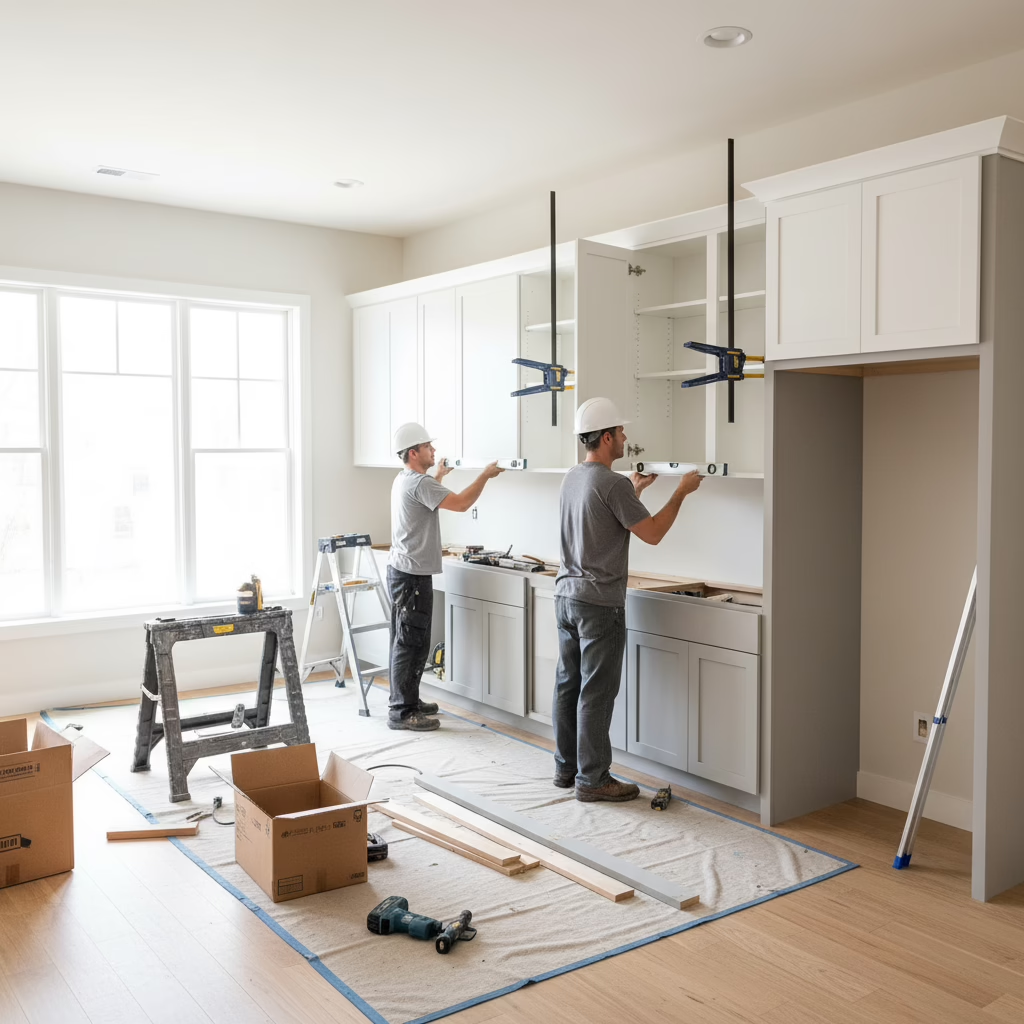
A cabinet remodel is the targeted upgrade of your existing kitchen or bathroom cabinetry to improve layout, function, and finish without a full gut renovation. Homeowners near 11 Edvac Drive in Brampton choose this route to refresh style, boost storage, and modernize hardware. With in-house design and factory-direct cabinets, Altima streamlines the process end to end.
By Ashok | Last updated: 2026-06-01
Above-Fold: Why this guide and what youll learn
This guide shows GTA homeowners how to plan a cabinet remodel with fewer surprises. Youll learn what a remodel includes, when to reface versus replace, how timelines work, and the quality checks that protect your investment. Use it as a roadmap from design to final punch list.
Remodeling cabinets touches the look, feel, and workflow of your home. Weve delivered thousands of custom projects across the GTA, so this playbook reflects what actually works when schedules are tight and decisions matter.
- Understand the cabinet remodel spectrum: repaint, reface, reconfigure, or replace
- Spot common pitfalls that delay projects or weaken results
- Follow a step-by-step workflow our team uses in the field
- Choose durable materials, hinges, slides, and finishes confidently
- Use design tactics for small kitchens, condos, and basements
- Know what to expect from a design-build partner with in-house manufacturing
Quick Summary
A cabinet remodel modernizes storage, layout, and finishes without rebuilding your entire kitchen. For solid cabinet boxes, refacing can deliver a fast style upgrade; when boxes are failing or layout changes are needed, new custom cabinets are best. A structured design-build workflow keeps decisions timely and quality high.
Heres the gist before we dive deeper.
- Base cabinet depth is typically 24 inches; wall cabinet depth is 12 inches. Knowing standards speeds design decisions.
- Clearance between countertop and wall cabinets is commonly 18 inches, allowing task lighting and backsplash space.
- Refacing can often be completed in days, while full replacement aligns with broader renovation timelines.
What is a cabinet remodel?
A cabinet remodel updates your existing cabinetryfrom new doors and drawer fronts to interior reconfiguration or full replacementto improve function and style. It can reuse sound cabinet boxes or install custom, factory-built units for better layout and long-term durability.
Think of cabinet remodel as a spectrum. On one end, you keep cabinet boxes and refresh doors, hardware, and finish. On the other end, you replan the footprint and install new, custom-built cabinetry from our Brampton facility. The right choice depends on box condition, layout needs, and finish goals.
Cabinet remodel options at a glance
- Repaint or refinish: Best when doors are in good shape; expect proper sanding, priming, and a spray-finish workflow for durability.
- Refacing: Keep boxes; add new doors/drawer fronts, update exposed panels, and swap hardware for a new look.
- Reconfigure: Modify interiors with pull-outs, spice racks, lazy susans, or widen drawers to fix everyday pain points.
- Replace: New custom cabinets when box integrity is poor or when changing layout, appliances, or storage strategy.
In our experience serving Toronto, Brampton, Mississauga, and across the GTA, strong results come from matching the approach to your cabinet box condition and your familys daily habitsnot trends alone.
Why cabinet remodeling matters for GTA homes
Cabinet remodeling improves daily workflow, storage capacity, and resale appeal. GTA homes often balance compact footprints with busy schedules; smarter cabinetry adds usable inches, safer movement, and a cohesive style that supports modern appliances and lighting.
Cabinets arent just boxes and doors. They set work zones, organize storage, and protect finishes from moisture and heat. When they underperform, meal prep slows, clutter grows, and surfaces fail early. A focused upgrade solves these issues without a full-scale teardown.
- Ergonomics matter: Drawers between 1822 inches deep often fit most cookware; full-extension slides prevent digging.
- Lighting clarity: Under-cabinet lights at 30003500K color temperature balance task visibility with warm ambience.
- Moisture defense: Toe-kicks of 34 inches and proper scribe fillers help block spills and edge wicking near sinks.
- Condo constraints: Where walls cant move, interior accessories (tray dividers, pull-out pantries) recover storage inches fast.
If your cabinet boxes are sturdy and square, refacing combined with interior upgrades can deliver a fresh kitchen feel quickly. When layouts are cramped or appliances need relocating, custom cabinets from our factory provide the flexibility to correct clearances and code-required spacing.
How a cabinet remodel works: our step-by-step field method
A dependable cabinet remodel follows a clear arc: discovery, design, engineering, fabrication or refacing prep, installation, and a documented handover. With in-house design and factory-direct production, Altima keeps decisions, timelines, and quality under one roof.
We manage kitchen, bath, and media cabinetry with a consistent, transparent workflow designed to eliminate guesswork.
- Discovery & goals (6090 minutes): We map traffic patterns, appliance specs, drawer contents, and friction points. Photos and measurements establish reference baselines.
- 2D/3D design & options: You review layouts, door styles, and finishes in visual context. Standard cabinet widths (948 inches) and corner solutions are validated in 3D.
- Engineering & approvals: Hinges, slides (commonly 1822 inches), fillers, and crown heights are locked. Clearances like 1.5 inches at end panels and 18 inches between counter and wall cabinets are checked.
- Factory fabrication or refacing prep: Boxes are cut on Italian CNC, then spray-finished in our booth; for refacing, doors and panels are produced to precise overlay and reveal targets.
- Site protection & removal: Floors, counters, and openings are protected. Old doors/hardware are removed; plumbing and appliance clearances are verified.
- Install & adjustments: Cabinets are leveled to 18 inch over 8 feet. Concealed hinges are aligned (vertical, horizontal, and depth cams) for even reveals.
- Lighting & accessories: Valance lights, pull-outs, lazy susans, and tray dividers are set to your reach zones; switches and drivers are concealed.
- Final QA & handover: We test every slide and hinge cycle, align doors, and document care instructions. A punch list closes remaining items promptly.
Consistent steps, clear drawings, and disciplined site protection prevent rework. Thats why clients across the GTA rely on our design-build structure with in-house installation.
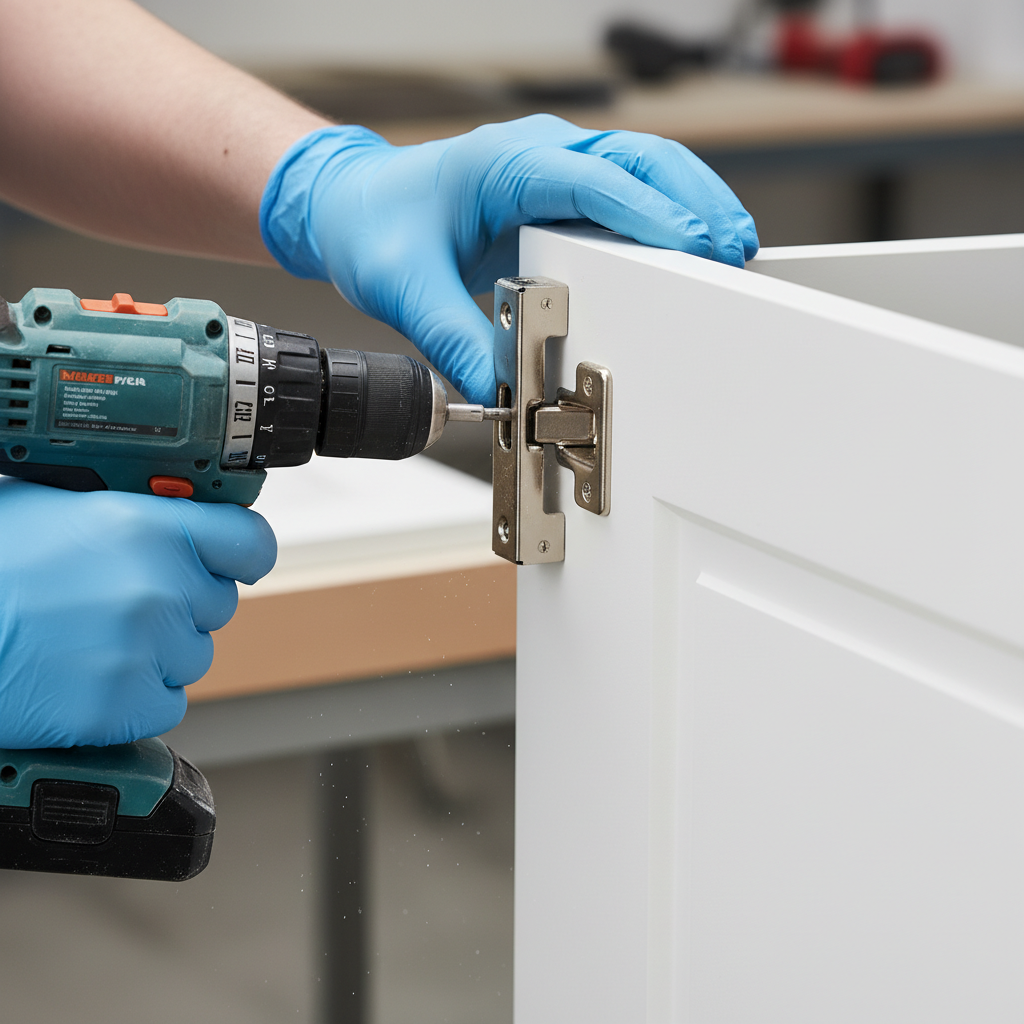
Refinish, reface, reconfigure, or replace? Types and methods
Choose refinishing when doors are sound and style changes are subtle. Pick refacing to keep solid boxes and get new doors fast. Reconfigure interiors to add storage without moving walls. Replace with custom cabinets when boxes fail or layouts must change.
There isnt a one-size-fits-all answer. The right path depends on box condition, your timeline, and how your family uses the kitchen. Heres a practical comparison.
| Approach | What changes | Layout change | Typical timeline | Durability outlook | Best for |
|---|---|---|---|---|---|
| Refinish | Existing doors and panels get a spray finish | No | Several days (prep + cure) | Good with pro prep and catalyzed coatings | Sound doors, minor style shift |
| Reface | New doors/drawer fronts; panels and trim updated | No | Days to a week | Excellent with quality doors and hardware | Solid boxes, major style change |
| Reconfigure | New pull-outs, dividers, corner solutions | Minimal | 12 days per zone | High; uses premium hardware | Faster function improvements |
| Replace | All-new custom cabinets, finishes, and trims | Yes | Aligned with full renovation | Highest; cabinet boxes and finishes are new | Failing boxes or new layout needs |
For a deeper dive into the choice between refacing and replacing, our team breaks down pros and trade-offs in this practical explainer on replacing vs. refacing kitchen cabinets. If you know replacement is your path, see our Brampton-focused guide to custom kitchen cabinets.
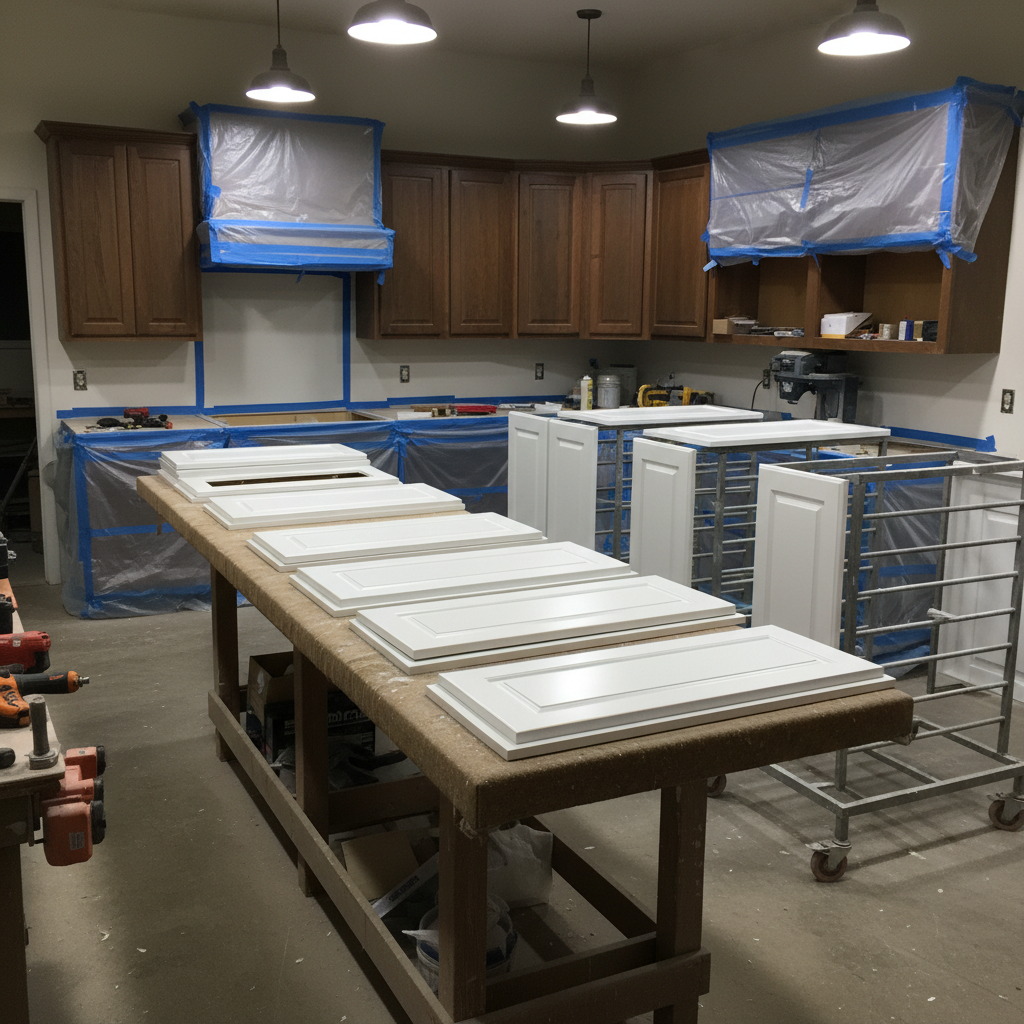
Best practices that prevent costly do-overs
Great cabinetry lasts when you lock specs before build, protect the site, and verify clearances at each step. Measure twice, level once, and document hardware settings so future adjustments are easy. Factory finishing and pro installation deliver consistent, long-term results.
Design and measurement
- Confirm appliance specs in writing; many ranges now need 30 inches of hood clearance and 11 inches of cutout width.
- Plan landing zones: 1215 inches of counter on at least one side of major appliances improves safety and flow.
- Use fillers and scribes: 13 inches at walls accommodates out-of-plumb conditions common in older GTA homes.
Materials and construction
- Choose cabinet box materials suited to humidity. Plywood boxes resist fastener tear-out; melamine interiors clean easily.
- Specify soft-close, full-extension slides (rated 7590 lb). Hinges with three-way adjustment keep reveals consistent.
- Edge banding on all sides of shelves reduces moisture ingress and warping over time.
Finishing and indoor environment
- Professional spray finishes cure harder and more evenly than brush/roll; proper scuff sanding between coats is critical.
- Maintain indoor relative humidity around 3050% to reduce seasonal door movement and joint telegraphing.
- Aim for task lighting around 300400 lux on work surfaces to improve prep accuracy and reduce eye strain.
Installation and QA
- Set base cabinets level within 18 inch across runs; shim properly rather than forcing frames into uneven floors.
- Anchor to studs 16 inches on center with #8 or #10 screws of appropriate length; predrill to prevent splitting.
- Cycle-test doors and drawers (open/close 1020 times) before handover to catch rubs and adjust cams.
Our one-roof modeldesign, factory, installationprotects these details from the first drawing to the final punch list. For a broader process view, see our overview of design-build remodeling.
Tools, specs, and resources we rely on
A reliable remodel uses precise measuring tools, cabinetry jigs, and manufacturer specs. Drawings and hardware data sheets keep everyone aligned. When you work with a design-build team, expect checklists, labeled parts, and clear install notes for each cabinet run and appliance.
Field tools and jigs
- Digital levels and lasers for leveling cabinets across long runs.
- Hinge and handle jigs to ensure repeatable hole locations on every door and drawer.
- Cabinet clamps and cabinet screws to pull face frames tight without marring finishes.
Specs to have on hand
- Appliance installation guides (width, height, venting, electrical, and water clearances).
- Lighting driver and dimmer compatibility sheets to avoid flicker with under-cabinet LEDs.
- Hardware load ratings and slide lengths; common drawer slide lengths are 1822 inches.
For background reading on refacing fundamentals, many homeowners appreciate this practical cabinet refacing guide. If youre considering finish-only changes, heres a general cabinet refinishing overview. For door styles and cabinet concepts, a broader kitchen cabinet guide can help you name what you like before design.
Mini case studies from GTA projects
Real kitchens prove what drawings cant. In tight condos, interior accessories unlock storage without moving walls. In older homes, custom cabinets correct out-of-square rooms. Refacing works when boxes are strong, while replacements shine when layouts must change.
Brampton family: refacing plus storage upgrades
A Brampton family near 11 Edvac Drive had sturdy boxes but dated doors. We refaced with shaker fronts, added full-extension slides, and installed a pull-out pantry. The project delivered a modern look and faster access. The reveal consistency and soft-close feel were immediate quality signals.
Toronto condo: maximize inches, minimize downtime
In a downtown condo, walls and plumbing couldnt move. We reconfigured interiors: tray dividers for baking sheets, a corner solution for pots, and slim pull-outs beside the range. With under-cabinet lighting at 3000K, the space felt larger and brighter without structural changes.
Mississauga bungalow: custom replacement for new layout
This kitchen needed a wider fridge and a safer cooking triangle. We replaced cabinets with custom boxes and adjusted the footprint to maintain 36 inches of aisle clearance. A dedicated landing zone beside the oven improved safety during busy family dinners.
Vaughan basement bar: durable finishes, easy cleanup
For an entertainment space, we focused on moisture-tolerant materials and easy-to-clean interiors. Full-extension drawers at 21 inches and adjustable shelves kept glassware and mixers organized. The bar now handles weekend traffic without scuffs or wobble.
For more transformations, browse our before-and-after kitchen projects or get inspired with kitchen upgrade ideas.
Local considerations for 11 Edvac Drive
- Plan deliveries to avoid peak traffic windows typical of the Brampton corridor; morning drop-offs keep crews productive.
- Seasonal humidity swings affect door movement. Keep indoor RH between 3050% during winter and summer for stable reveals.
- Condos often require elevator bookings and work-hour permits. Lock these in during design so installation stays on schedule.
The 12 cabinet remodel mistakes we fix most often
Most cabinet remodel mistakes trace back to missing measurements, unclear appliance specs, or rushed finishing. Avoid surprises by locking dimensions, planning landing zones, selecting durable hardware, and using factory spray finishes with proper cure times before install.
- Guessing appliance sizes: Always confirm cutouts and door swing paths in writing.
- Ignoring workflow: Keep 36 inches of aisle width where possible and 42 inches for two-cook kitchens.
- Under-lighting: Skip dim strips. Use consistent, dimmable LEDs with concealed wiring.
- Skipping scribes/fillers: Walls are rarely square. Plan 13 inches where needed.
- Overstuffing corners: Choose the right corner unit; not every L needs a blind corner or lazy susan.
- Mixing hardware brands: Mismatched finishes and hole patterns complicate service later.
- Thin shelves: Use well-supported shelves to prevent sag, especially beyond 30 inches spans.
- Weak fasteners: Anchor to studs with appropriate screws; verify 16 inches on center.
- Rushing finish cure: Let coatings cure thoroughly to avoid print-through and edge chipping.
- Forgetting ventilation: Plan hoods and make-up air where required; protect finishes from steam.
- No access panels: Provide discreet access for plumbing and electrical behind appliances.
- Skipping documentation: Photograph reveals and note hinge settings for future tune-ups.
To frame your decision-making, our team also maintains an easy reference on renovation planning factors and a practical walkthrough of before-and-after transformations.
Mid-project checklist (client-friendly)
Stay on track with a quick midpoint review: confirm door counts, hardware finish, appliance specs, lighting locations, and any fillers or scribes. Walk each cabinet run, open every drawer, and verify reveals before final sign-off. Small checks now prevent big fixes later.
- Cabinet run-by-run walkthrough with drawings in hand
- Appliance spec verification against actual on-site models
- Hinge and slide cycle test; adjust cams to even reveals
- Lighting test for uniform brightness and dimming range
- Accessory function: pull-outs, spice racks, tray dividers
- Final confirmations: handles, door styles, crown heights
Soft CTA: Want a professional review? Our design team offers showroom or in-home consultations with 2D/3D previews and a structured action planall coordinated by a single project manager.
Cabinet Remodel FAQ
The most common cabinet remodel questions focus on refacing versus replacing, timelines, durability, and how to prepare your home. These concise answers help you decide quickly and plan your next step with confidence.
Whats the difference between refacing and replacing cabinets?
Refacing keeps your cabinet boxes and adds new doors, drawer fronts, and panels for a fresh look. Replacing removes old boxes and installs new custom cabinetry, which is best when layouts must change or boxes are damaged. We help you choose based on box condition and your storage goals.
How long does a typical cabinet remodel take?
Refacing projects often complete in days once doors and panels are ready. Full replacements align with broader renovation timelines because they include fabrication and potential layout changes. We schedule to minimize disruption and coordinate trades under one project manager.
Can you add more storage without changing my layout?
Yes. Interior upgrades like pull-out pantries, tray dividers, and full-extension drawers increase usable space without moving walls. We often reconfigure corners and add vertical dividers to make baking sheets and cutting boards easy to reach.
What finish holds up best on cabinet doors?
A professional spray-applied, catalyzed finish provides a durable shell that resists scratches and moisture better than brush or roll methods. Combined with soft-close hardware and proper humidity control, it helps doors and drawer fronts look new longer.
Next steps: where to go from here
Start with a focused design conversation and a clear scope. Review layouts, door styles, and finishes in 2D/3D. Then lock hardware, lighting, and accessories. A single design-build team keeps choices aligned and installation smooth from first measure to final handover.
If youre still comparing options, explore our in-depth look at refacing versus replacing. When youre ready for custom work, our guide to custom cabinets in Brampton outlines designs, accessories, and finishes. For design process clarity, bookmark our design-build overview.
Conclusion and key takeaways
A cabinet remodel succeeds when decisions are visual, measurements are verified, and installation follows a documented plan. Whether you reface solid boxes or install new custom cabinets, disciplined steps and factory-quality finishes deliver long-lasting performance and everyday ease.
Key takeaways
- Match the approach to box condition: refinish/reface for sound boxes; replace when layout or integrity demands.
- Lock appliance specs and clearances early; plan lighting, landing zones, and accessories in 2D/3D.
- Use pro-grade hardware and spray finishes; maintain indoor humidity around 3050%.
- Document hinge/slide settings and complete a run-by-run QA before handover.
Ready to plan?
Book a design session at our Brampton facility near 11 Edvac Drive. Youll see options in one showroom, review 2D/3D concepts, and receive itemized, transparent scopes from a single, accountable team.
Related Posts
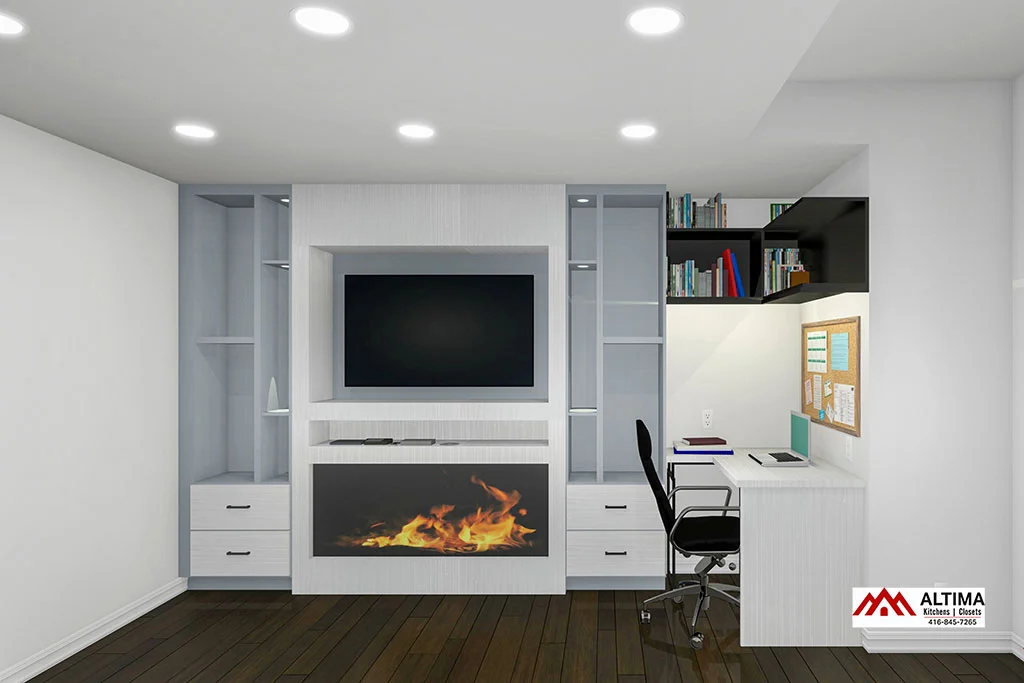
Why Choose Kitchen Renovation Company
Nowadays, Kitchen spaces are not only a place for cooking and serving food, but these areas act as a statement, as they speak a lot about a family, the philosophy and personality of individuals, and spaces. If you admire aesthetics and adorn the beauty of your home, you must pay attention to the interior design […]
How a Kitchen Renovation Contractor is Changing the Game
Lifestyle is all about bringing something coherent to the overall experience of living. The kitchen and closets stand as two of the most influential spaces in a home that add to the overall experience of living. A Kitchen Renovation Contractor in Whitby by the name of Altima Kitchen and Closets Inc. is changing the overall […]
How Media unit contractor in Whitby is Changing the Game
Lifestyle is all about bringing something coherent to the overall experience of living. The kitchen and closets stand as two of the most influential spaces in a home that add to the overall experience of living. A Media Unit Company in Whitby by the name of Altima Kitchen and Closets Inc. is changing the overall […]