Best cabinet materials for kitchen remodel compared: plywood vs MDF vs melamine
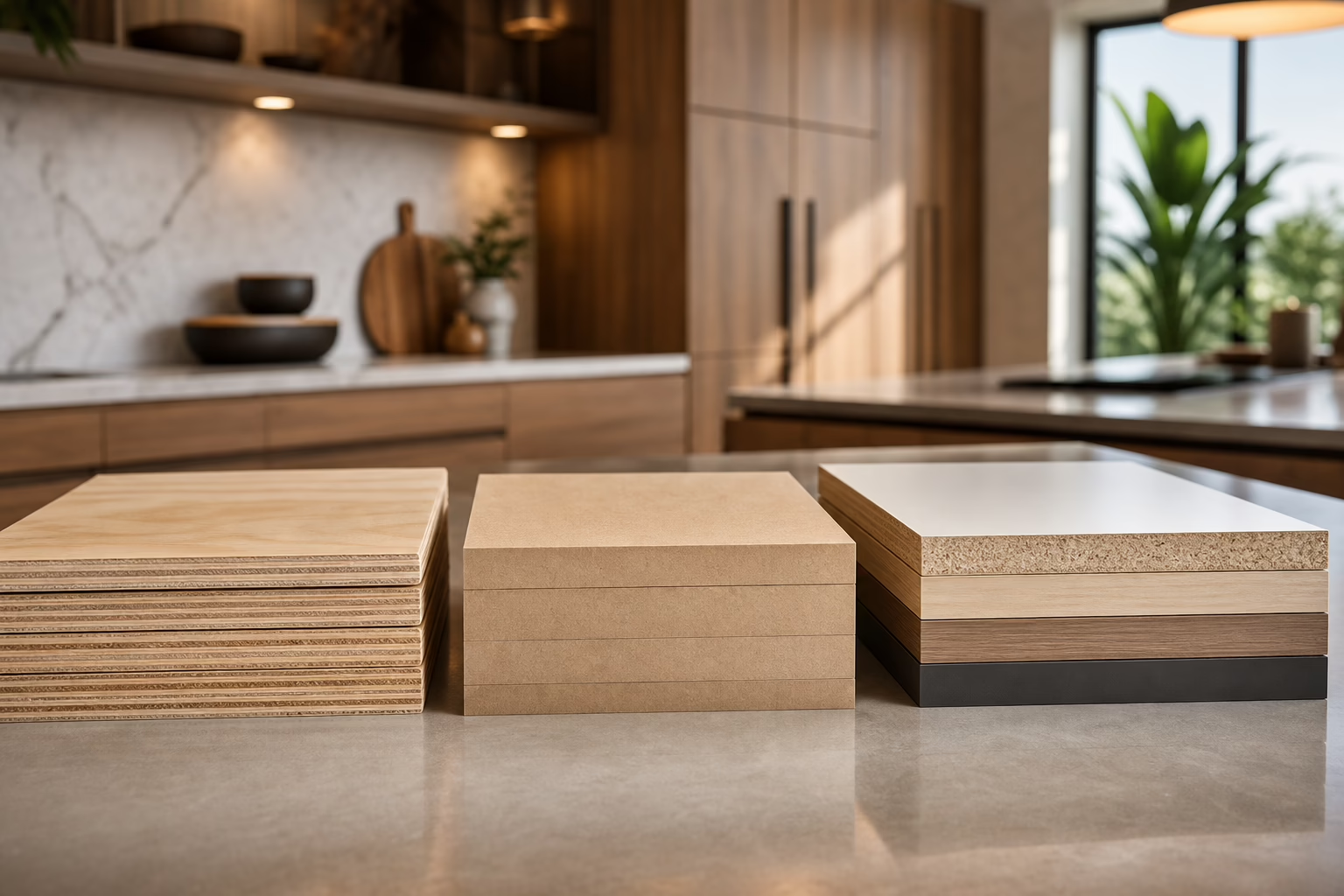
Choosing the best cabinet materials for kitchen remodel shapes cost, durability and the look you will live with for years. This article compares the common material families — plywood, MDF, solid wood, melamine and laminates, thermofoil, and PVC — using consistent criteria so you can match a material to your priorities: painted finish, stained doors, cabinet boxes, high moisture areas, and budget.
What homeowners should weigh first: decision criteria
Use these criteria to compare materials. They appear in every material summary below so you can compare like for like.
- Durability, including screw holding and resistance to sag or breakage.
- Moisture resistance, especially for cabinets near sinks, dishwashers, or laundry machines.
- Finish ability, whether you want a painted smooth surface or a stained natural grain.
- Cost tier, from budget to premium.
- Repairability and long term service, how easily chips, dents or delamination can be fixed.
- Manufacturing implications, such as CNC profiling, edge sealing or factory finish options.
- Warranty and local support, check what the builder covers for doors and finishes.
These priorities mirror industry buying guides that group cabinet materials into solid wood, engineered wood, and synthetic families for a reason. See further context in Canadian materials guides that explain practical trade offs and cost expectations.
Material-by-material comparison
Plywood, best for cabinet boxes and structural strength
Why consider it. Plywood is layered wood veneer glued with cross grain orientation, which gives strong screw holding, good dimensional stability and better resistance to humidity compared with particleboard. For these reasons many kitchen makers recommend furniture-grade plywood for cabinet boxes and shelving where long term strength matters, especially under heavy load or frequent use. Industry sources note plywood as the preferred structural shell material for lasting cabinets.
Pros
- Excellent strength and load bearing for shelves.
- Resists sag and swelling better than particleboard.
- Good substrate for veneers or laminates if you want a stained look.
Cons
- Higher cost than melamine or particleboard.
- Visible edges require edge banding for a finished look.
MDF, best for smooth painted doors and detailed profiles
Why consider it. Medium density fibreboard offers an ultra-smooth, paint-ready surface and accepts routed profiles cleanly, making it the most common choice for painted door faces and moulded panels. Home improvement guides recommend MDF for painted cabinetry because it produces a consistent finish without the grain patterns found in natural wood.
Pros
- Very smooth surface for paint and crisp profiles.
- Consistent thickness and machining results on CNC equipment.
- Lower cost than solid wood doors with similar painted appearance.
Cons
- Heavier than plywood, which can stress hinges if doors are very large.
- Vulnerable to prolonged water exposure and can swell if edges are not sealed properly.
Solid wood, best for stained, traditional doors
Why consider it. Solid hardwood doors like maple, oak or birch show natural grain and accept stains beautifully. Solid wood is a premium aesthetic and works well for traditional or shaker styles where the grain is part of the design. Solid wood will expand and contract with humidity, so careful design and allowance for movement are necessary.
Pros
- Premium look and depth when stained.
- Repairable and refinishable over time.
Cons
- Higher cost for uniform quality.
- Movement with humidity can cause cracking or warping if not detailed correctly.
Melamine and laminated panels, best for budget and utility zones
Why consider it. Melamine-faced particleboard or MDF delivers many colour and pattern options at a low cost, making it common in economy and ready-to-assemble cabinets. Melamine is often the least expensive cabinet material and performs well where appearance is secondary to function.
Pros
- Large colour range and consistent appearance at low price.
- Low maintenance and easy to clean.
Cons
- Edges and corners can chip and reveal particleboard if damaged.
- Not the best choice where a premium finish or paint depth is required.
Thermofoil and vinyl-wrapped doors, best for low-maintenance painted look
Why consider it. Thermofoil is a vinyl layer applied to MDF or engineered cores to mimic a painted surface with minimal maintenance. These doors are easy to clean and budget friendly, but installers warn of delamination risk near sustained heat sources or where moisture is poorly controlled. Use these doors where convenience is a priority and proper edge sealing and installation practices are followed.
Pros
- Uniform low maintenance surface and fast production.
- Good for rental properties or busy households where cleaning is frequent.
Cons
- Possible edge lift or delamination if exposed to continuous heat from ovens or direct water spray.
- Less repairable than painted MDF or solid wood.
PVC and water-resistant synthetics, best for wet zones
Why consider it. Rigid PVC panels or fully wrapped synthetic systems offer excellent moisture resistance, so they are a strong choice for wet zones such as laundry alcoves, mud rooms, or cabinets directly beside sinks. These materials are engineered specifically to avoid swelling, and they can be used for both doors and boxes when moisture is a primary concern.
Pros
- High moisture resistance and stable edges.
- Low maintenance with good cleaning properties.
Cons
- Limited premium grain options for stained looks.
- Can be more costly than simple melamine for large runs.
Which material for painted doors, stained doors, boxes and wet zones
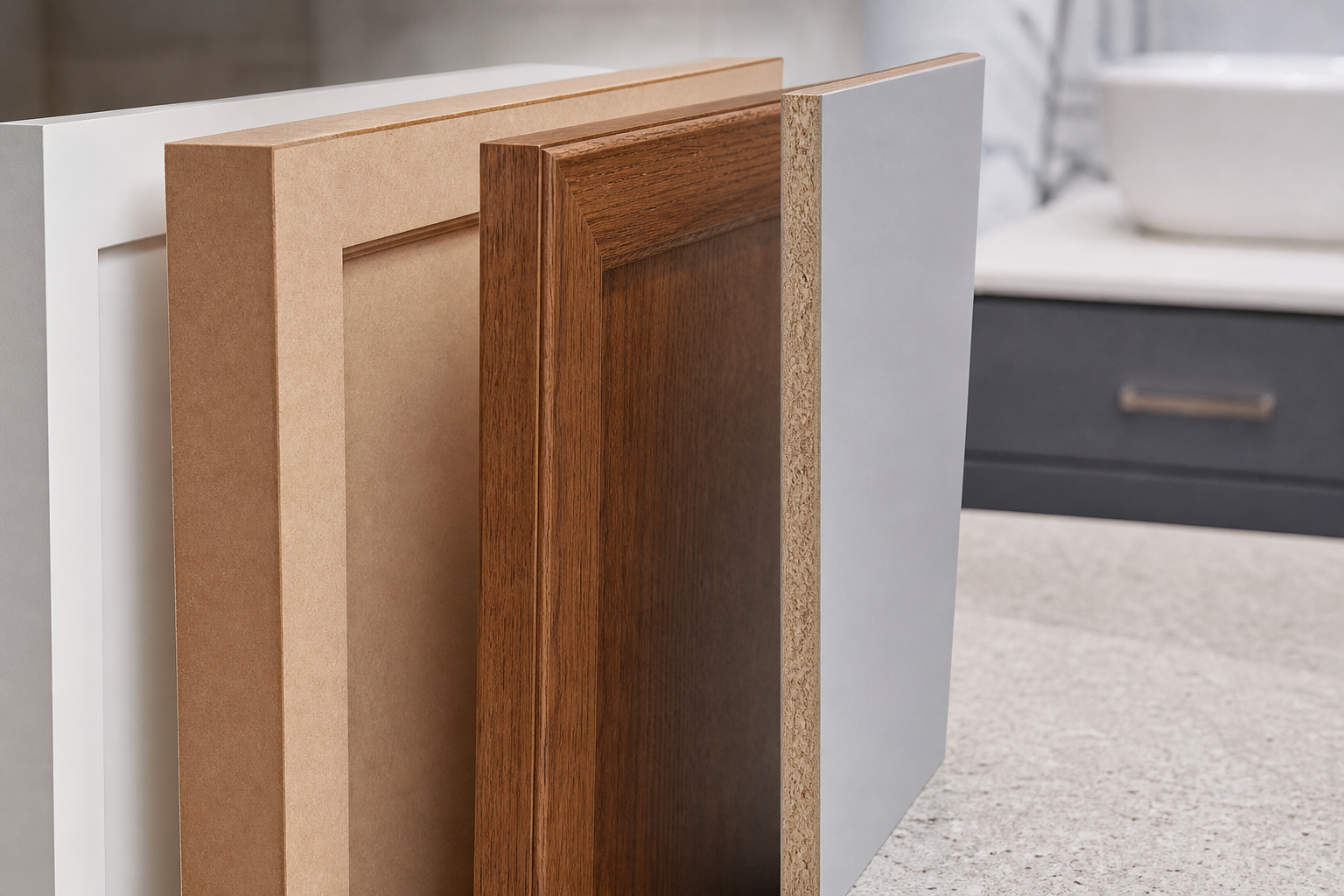
Match your goal to these practical recommendations. These pairings are commonly used by designers and cabinetmakers across Canada.
- Painted doors, choose MDF for a smooth, factory-painted finish that looks like furniture. Seal door edges and use qualified painters to avoid moisture ingress.
- Stained doors, choose solid wood or veneered plywood doors to show natural grain and depth, while using plywood boxes to control cost and stability.
- Cabinet boxes, choose plywood for long term strength and moisture resistance over particleboard, especially for heavy loads and open shelving.
- Wet zones and near sinks, use PVC wrapped panels or well sealed plywood boxes with sealed edges to reduce the risk of swelling or delamination.
How material choice affects manufacturing, installation and warranty
Your choice affects what the factory can do and what warranties cover. Factory-direct manufacturers with CNC machining and professional spray booths can offer more door profiles, precise joint details and consistent paint application. Altima Kitchens And Closets operates with in-house manufacturing equipment and a spray booth, and offers lifetime warranties on MDF Painted and Prelaminated doors for homeowners who choose those options, which reduces risk for painted or laminated finishes when installed by a single design-build team. See the company website for factory and warranty details.
Practical effects
- CNC machining improves profile consistency and reduces hand sanding, which speeds production for custom doors.
- Professional spray booths produce tougher factory finishes than on-site painting, lowering touch-up needs after installation.
- Warranty terms differ by material and finish, so confirm what is covered for both structure and finish before ordering.
Budget, durability and long-term value trade-offs
A simple cost ladder helps with decisions. Melamine and particleboard are lowest cost, MDF and thermofoil sit in the mid tier for painted looks, plywood boxes and veneered doors are mid to upper, and solid wood doors are premium. Invest in stronger boxes like plywood when you expect heavy use or plan to keep the kitchen for many years. Industry buying guides advise allocating more budget to cabinet boxes and hardware, since they are difficult to change later.
Common objections and honest answers homeowners raise
- MDF swells when wet. True, but modern cabinetmakers seal all exposed edges and avoid using MDF in bottoms of base cabinets subject to standing water. Proper detailing and edge sealing mitigate this risk.
- Plywood is too expensive. Plywood costs more, but it is where strength and long term stability matter, so consider plywood for boxes and use more affordable door materials if budget is tight.
- Melamine looks cheap. Some finishes look economical, but premium melamine and textured laminates have improved, and they are a sensible choice for utility areas or where budget is constrained.
Buyer checklist and next steps for GTA homeowners
Before you sign, confirm these items. They will reduce surprises and keep your project on budget and schedule.
- Request itemized material specs showing cabinet box material, door core and finish, edge banding type and hardware details.
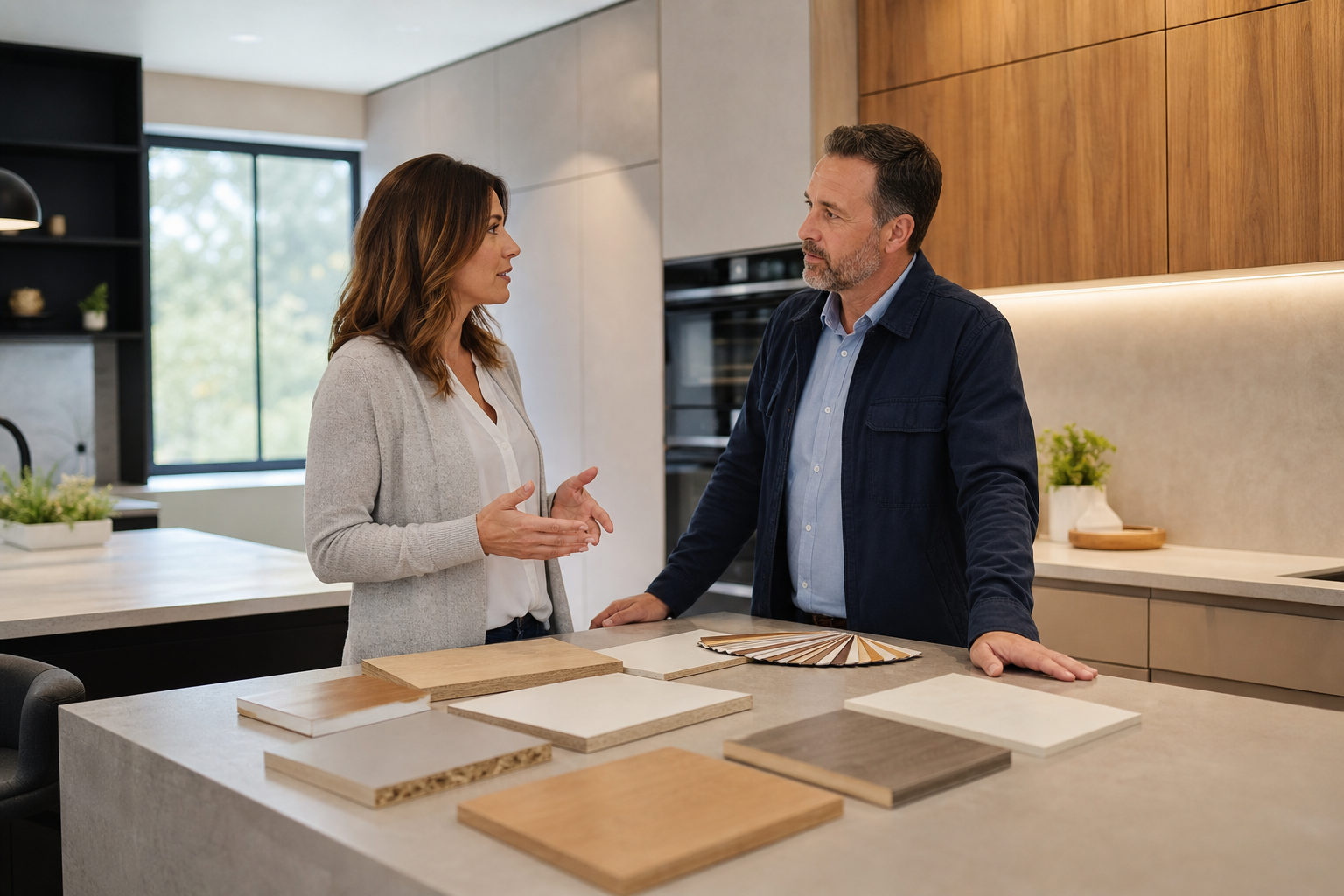
- See large physical samples in person at a showroom. If you are in the GTA, visit Altima’s Brampton showroom to inspect door profiles and factory finishes. Kitchen Remodeling: Cut Costs Without Losing Style shows how finish choices affect cost.
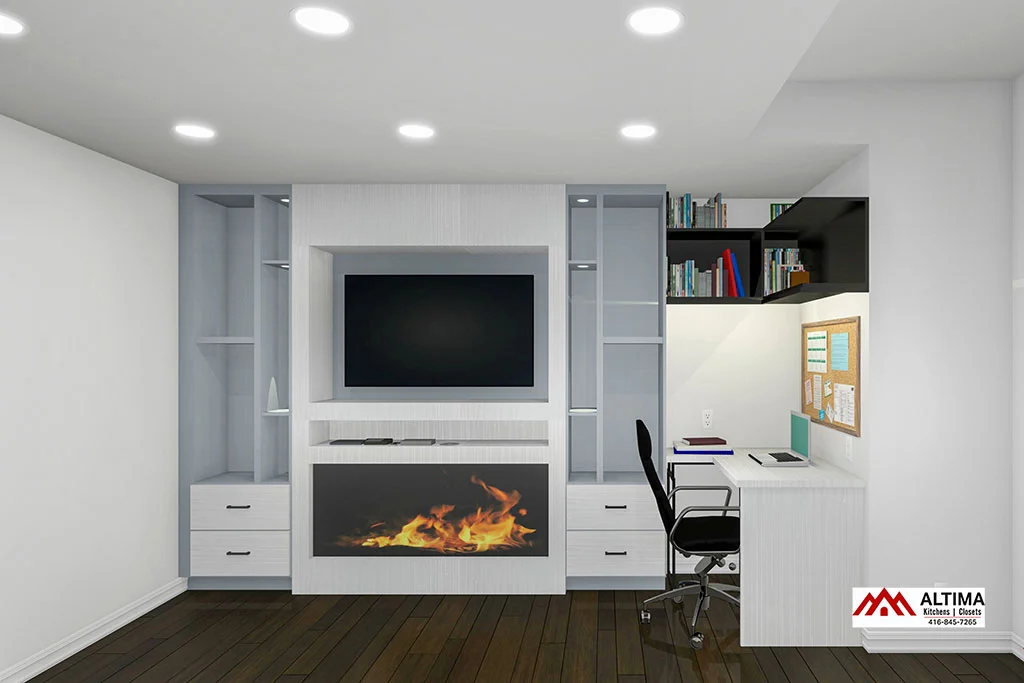
- Ask for 2D and 3D designs to visualise how finishes and hardware will work in your space.
- Confirm warranties in writing, including what is covered for painted doors and prelaminated surfaces, and who handles touch ups after installation.
- Check lead times for custom doors and factory runs, and plan for appliance and countertop schedules to avoid installation delays.
Book a materials review or request a free 2D/3D quote
If you are comparing options for your kitchen renovation, schedule a materials review where you can see sample doors, feel edge banding and compare painted versus veneered finishes under real light. A factory-direct approach reduces handoffs between designer, manufacturer and installer, and improves accountability for finish quality and warranty issues. Altima Kitchens And Closets offers in-house design, manufacturing and installation, plus lifetime warranty options on certain doors, which can simplify material decisions for GTA homeowners. Altima Kitchens And Closets
Frequently asked questions
Is MDF or plywood better for kitchen cabinet doors near the sink
MDF gives the smoothest painted finish, but it must have sealed edges to resist moisture. For locations with direct splashes or risk of standing water, use plywood boxes and consider PVC wrapped or sealed plywood doors for better moisture tolerance. Industry guidance recommends avoiding unsealed MDF in wet zones.
Are melamine cabinets durable enough for a family kitchen
Melamine is durable for everyday use and cleans easily, making it a reasonable choice for family kitchens on a budget. It is less repairable than painted MDF or solid wood, and edges can chip if impacted. For heavy use, choose robust edge banding and consider plywood shelves for load bearing.
If I want painted doors, which material should I choose
MDF is the standard for factory-painted doors because of its smooth surface and uniform machining characteristics. Ensure doors are finished in a controlled spray booth for best durability, and confirm the installer seals edges and offers a finish warranty.
Do warranties usually cover finish failure or only structural defects
Warranties vary by manufacturer. Some warranties cover structural defects and materials, while finish coverage often has different terms and time limits. Confirm exactly what a warranty covers for painted surfaces and prelaminated doors before signing. Altima documents lifetime warranty coverage on MDF Painted and Prelaminated doors on their site for customers who select those options. Altima Kitchens And Closets
How can I test samples in person before choosing cabinet materials
Visit a showroom with large panel samples and view them under natural and showroom lighting, open and close sample doors to inspect hinges and edge banding, and request a small sample mock up if you are deciding between paint and veneer. Ask the showroom for 2D and 3D renderings that use the exact material samples you saw so the finished design matches what you approved.
If you would like an on-site sample review or a free 2D/3D quote, book a visit at Altima Kitchens And Closets to compare materials in person and review warranty and factory options. Altima Kitchens And Closets
Related Posts
Why Choose Kitchen Renovation Company
Nowadays, Kitchen spaces are not only a place for cooking and serving food, but these areas act as a statement, as they speak a lot about a family, the philosophy and personality of individuals, and spaces. If you admire aesthetics and adorn the beauty of your home, you must pay attention to the interior design […]
How a Kitchen Renovation Contractor is Changing the Game
Lifestyle is all about bringing something coherent to the overall experience of living. The kitchen and closets stand as two of the most influential spaces in a home that add to the overall experience of living. A Kitchen Renovation Contractor in Whitby by the name of Altima Kitchen and Closets Inc. is changing the overall […]
How Media unit contractor in Whitby is Changing the Game
Lifestyle is all about bringing something coherent to the overall experience of living. The kitchen and closets stand as two of the most influential spaces in a home that add to the overall experience of living. A Media Unit Company in Whitby by the name of Altima Kitchen and Closets Inc. is changing the overall […]