Closet Design & Custom Installation: Make Room and Stay Organized
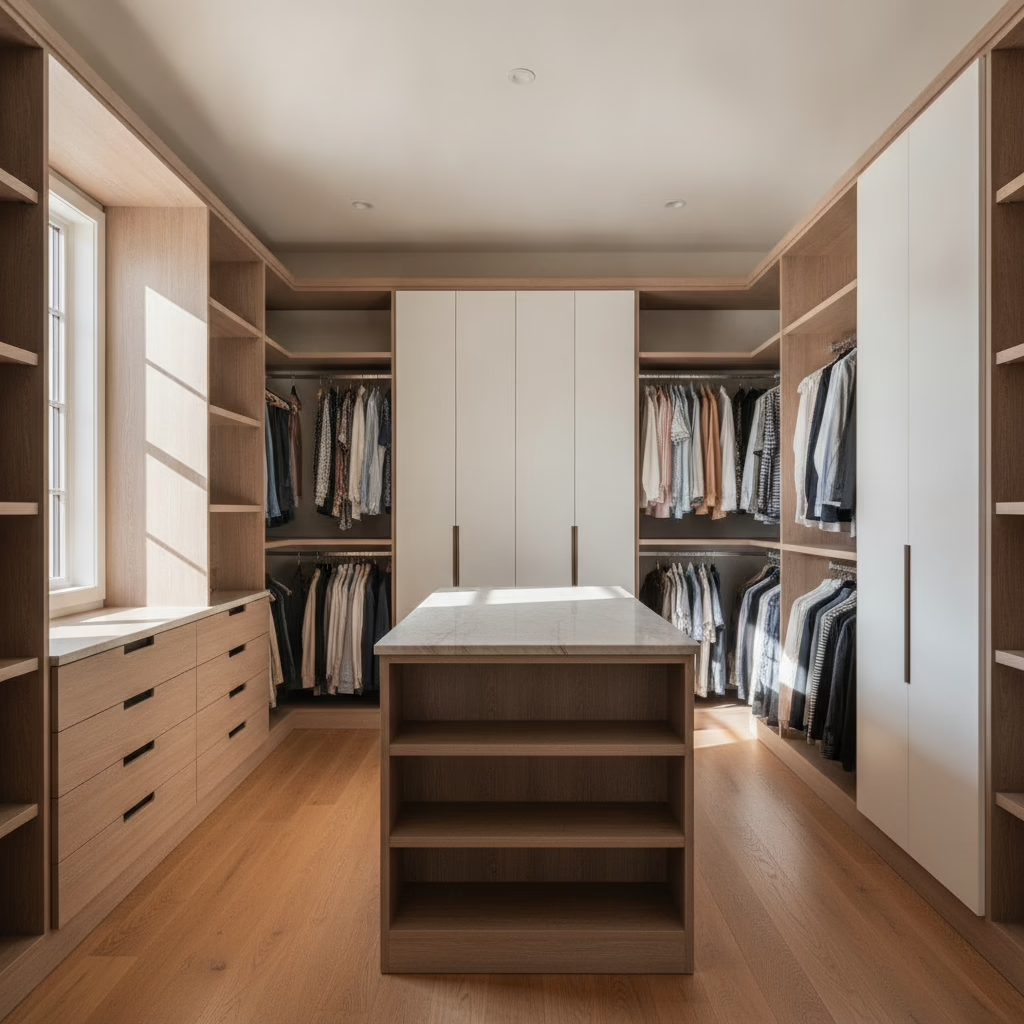
Custom closet installation is the design, fabrication, and secure anchoring of built-in storage systems tailored to your space and wardrobe. At 11 Edvac Drive in Brampton, Altima Kitchens and Closets delivers end-to-end design, manufacturing, and installation. It matters because well-planned storage increases usable square footage, protects clothing, and simplifies daily routines.
By Ashok • Last updated: 2026-06-14
Summary
This guide explains custom closet installation from planning through final fit-and-finish. You’ll learn how professional 2D/3D design, factory-direct fabrication, and in-house installation come together to create organized, durable storage. Use the step-by-step checklist, best practices, tools list, and local tips specific to Brampton and the Regional Municipality of Peel.
- What is custom closet installation?
- Why custom closets matter
- How installation works (step-by-step)
- Types of closet systems
- Best practices
- Tools and resources
- Local tips for Brampton (11 Edvac Drive)
- Case studies
- FAQ
What Is Custom Closet Installation?
Custom closet installation is the process of measuring your space, designing storage around your wardrobe, manufacturing components, and anchoring the system to walls and floors for safety and longevity. Unlike off-the-shelf kits, custom systems fit exact dimensions, optimize access, and use durable hardware designed for daily use.
At Altima Kitchens and Closets, “custom” means every section—hanging, shelving, drawers, shoe storage, and accessories—is sized to your inventory and habits. Designs are modeled in 2D drawings and 3D renders so you can visualize proportions, clearances, and finishes before a single panel is cut.
- Typical closet depths: Reach-in closets are often about 24 inches deep; walk-ins vary but usually allow 36 inches for clear walkway.
- Hanging sections: Double-hang is commonly 40–42 inches tall per level; long-hang (dresses, coats) often needs 60–65 inches.
- Stud spacing: Most residential walls place studs 16 inches on center—key for safe anchoring.
- Shelf spans: For 3/4-inch engineered panels, keep most spans under 36 inches to limit deflection under regular loads.
Because Altima manufactures with Italian CNC machinery and professional finishing, panels, doors, and drawers are precision-cut for tight, repeatable fit. Lifetime warranties on MDF Painted and Prelaminated doors further reinforce long-term performance when properly maintained.
Why Custom Closets Matter
Custom closets reduce clutter, speed up your morning routine, and protect garments. Purpose-built sections create clear “homes” for every item, which lowers decision fatigue and prevents damage. Over time, smarter storage improves livability and can enhance perceived home value during resale.
- Daily time savings: Grouping outfits and essentials cuts search time. Many homeowners reclaim 5–10 minutes each morning with labeled sections and consistent layout.
- Clothing protection: Proper long-hang sections preserve drape; ventilated shelves help moisture escape after laundering.
- Inventory visibility: Adjustable shelving and clear zones reduce “out of sight, out of mind” buying.
- Accessibility: Pull-out accessories (belt/tie racks, valet rods, hampers) turn tight spaces into high-function areas.
- Adaptability: Adjustable pins allow shelf height changes as wardrobes evolve over seasons and years.
We’ve found that when design reflects real inventory counts—how many shoes, folded knits, long dresses—clients stick to tidier habits. Altima’s 2D/3D process forces clarity up front, while factory-direct control ensures the final build matches the approved plan.
How Custom Closet Installation Works (Step-by-Step)
A successful custom closet follows a clear workflow: discovery, measurement, 2D/3D design, material selection, factory fabrication, on-site prep, installation, finishing, and walk-through. With in-house design, manufacturing, and installation, Altima keeps quality, schedule, and communication under one roof.
- Discovery & goals: Identify pain points (overflow, hard-to-reach shelves) and must-haves (double-hang, shoe walls, drawers).
- Professional measurement: Record width/height/depth, out-of-square angles, baseboards, outlets, vents, and door swing.
- 2D drawings: Map sections to verified site dimensions; mark clearances for doors and walkways.
- 3D renders: Preview finishes, lighting, and hardware. Confirm ergonomics and reach heights.
- Materials & hardware: Select melamine or plywood casework, soft-close slides, hinges, and accessories.
- Factory-direct fabrication: CNC machining produces precise panels; spray booths finish painted doors evenly.
- Scheduling & prep: Confirm installation window; clear space and protect nearby flooring.
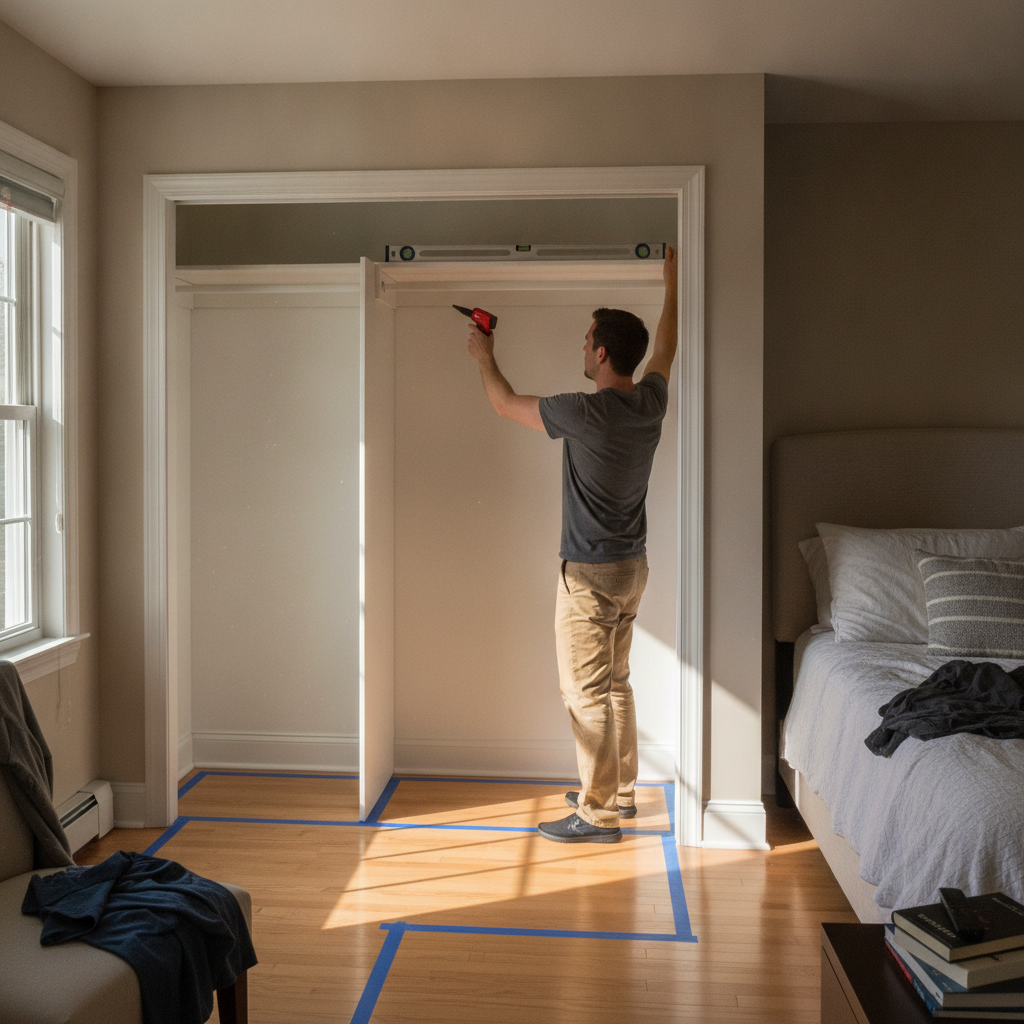
- Layout & leveling: Snap lines, level first panels, and shim as needed. Check stud locations (commonly 16 inches on center).
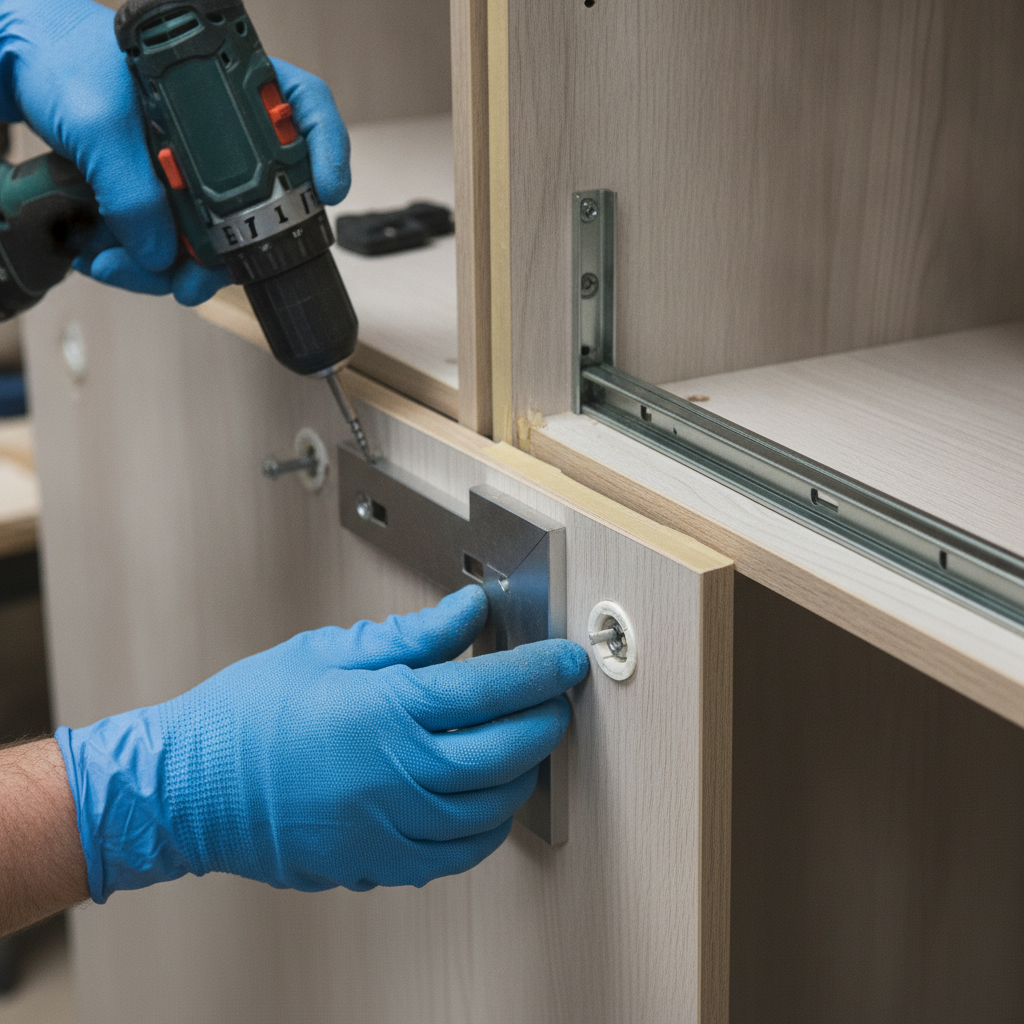
- Anchoring: Use appropriate screws and anchors into studs or masonry. Verify load paths for hanging sections.
- Fit & finish: Install drawers, doors, gables, and trim; set reveals; adjust soft-close tension.
- Lighting: Integrate valance or closet lighting where planned; verify code-compliant fixtures and clearance.
- Final walk-through: Review operation, care instructions, and warranty details; confirm everything matches drawings.
Because the entire process runs through Altima’s showroom-to-factory workflow at 11 Edvac Drive, communication stays tight—clients receive proactive updates and a single point of accountability from first sketch to last screw.
Types/Methods: Closet Systems and Where They Work Best
Closet systems fall into a few categories: reach-in, walk-in, and wardrobe units. Mounting can be wall-hung or floor-based. The best approach depends on room depth, ceiling height, inventory size, and whether you need mobility-friendly access or built-in lighting and doors.
Core system types
- Reach-in closets: Common in bedrooms and hallways; optimize with double-hang, adjustable shelves, and pull-outs.
- Walk-in closets: Allow zones (his/hers), islands, and full shoe walls; target 36 inches minimum walkway.
- Wardrobe systems: Great for condos or rooms without closets; include integrated doors for a furniture-like look.
- Mud room & laundry: Mix tall storage, bench seating, and closed cabinets for visual calm and durability.
Mounting styles
- Wall-mounted (rail) systems: Panels hang from a steel rail, keeping floors clear for cleaning; efficient in tight condos.
- Floor-based systems: Cabinet boxes rest on the floor with toe kicks; feel more built-in and support heavy drawers.
| Approach | Best For | Notes |
|---|---|---|
| Wall-mounted | Condos, reach-ins, easy cleaning | Efficient install; ensure strong rail anchoring into studs or masonry. |
| Floor-based | Walk-ins, heavy drawers, island builds | More “furniture-like” finish; plan for baseboards and leveling. |
| Hybrid | Mixed needs | Use wall rails for uppers and floor bases for drawers/islands. |
For tailored options like modular wardrobes, see our custom wardrobe systems overview and this organization systems guide for accessory planning.
Best Practices for Custom Closet Installation
Plan from the wardrobe backward: count items, design sections around real needs, then ensure safe anchoring and ergonomic access. Keep shelf spans modest, verify stud locations, and use soft-close hardware. Clear 36 inches for walkways in walk-ins and plan lighting where doors or deep shelves may cast shadows.
Measure what matters
- Inventory-first: Count shoes, folded stacks, long-hang pieces, and bulky items (luggage, duvets) before designing.
- Record obstructions: Note outlets, vents, attic access, sloped ceilings, and baseboards.
- Confirm square: Check diagonals; out-of-square corners affect gable fit and drawer reveals.
Build for durability
- Stud anchoring: Target studs at roughly 16 inches on center; use appropriate fasteners and confirm pull-out resistance.
- Shelf spans: Keep most 3/4-inch engineered shelves under ~36 inches to reduce sag under everyday loads.
- Soft-close hardware: Use full-extension slides for access and reduce slamming to extend cabinet life.
Plan for comfort and safety
- Ergonomics: Place everyday items between shoulder and waist height; reserve upper shelves for seasonal storage.
- Lighting & ventilation: Use code-compliant fixtures and allow airflow so recently laundered items can dry fully.
- Child safety: Avoid tip hazards by anchoring tall units; keep sharp accessories above reach height.
For deeper design ideas—including accessory placement and finish selection—bookmark our custom closet upgrade guide and closet organizer overview.
Tools and Resources
Successful installs rely on accurate measurement and the right tools: laser measurer, level, stud finder, drill/driver, appropriate anchors, and safety gear. For planning, 2D/3D design reviews align expectations. The resources below expand on materials, installation basics, and surface finishing.
Installer’s toolkit
- Laser distance measurer and 6-foot level
- Stud finder and inspection mirror
- Impact driver/drill with bits and countersinks
- Square, shims, and painter’s tape for layout lines
- Appropriate screws and wall anchors for studs, drywall, or masonry
- Safety glasses, gloves, and dust mask
Helpful reading
- Overview of cabinet basics and planning concepts: cabinet planning guide.
- Surface finishing perspectives and refacing fundamentals: refacing contractors guide.
- Broader renovation coordination tips that apply to closets too: design and remodeling pointers.
For a design-led path—complete with showroom selections, itemized quotes, and factory-direct production—start with our custom closet design & installation page.
Local Custom Closet Installation in Brampton and the Regional Municipality of Peel
Altima Kitchens and Closets serves homeowners from its showroom and factory at 11 Edvac Drive, Brampton, in the Regional Municipality of Peel. Local delivery, in-house installers, and factory-direct fabrication shorten timelines and improve quality control—ideal for GTA schedules and condo rules.
Local knowledge matters. Condo elevators, delivery windows, and strata guidelines can complicate installs. Our team coordinates access, protects common areas, and sequences deliveries to match building rules—keeping the process smooth for both homeowners and property managers.
Local considerations for 11 Edvac Drive
- Plan weekday deliveries around traffic near Williams Pkwy at 2500 Williams Pkwy to avoid delays and ensure clean arrival of panels and doors.
- Winter installs benefit from staging inside; cold, dry air affects wood movement, so acclimate materials before final anchoring.
- For family homes near Bottomwood Park, choose durable, wipeable finishes for mud room cabinetry to handle seasonal footwear and sports gear.
Case Studies and Real-World Examples
These brief scenarios show how design, factory production, and in-house installation solve different storage problems across the GTA. Each project uses 2D/3D previews, itemized quotes, and lifetime-warranty doors where specified—so outcomes match expectations down to the last detail.
Reach-in revival for a Brampton semi-detached
- Challenge: Single 72-inch reach-in with one rod and shelf led to daily clutter.
- Solution: Double-hang left, long-hang right, center drawers, upper seasonal shelf; soft-close full-extension slides.
- Outcome: 30% more usable hanging space and faster morning prep thanks to segmented zones.
Walk-in redesign for a Mississauga family
- Challenge: Walkway was under 30 inches, causing traffic jams.
- Solution: Swapped deep shelves for shallower adjustable ones; added valet rods and shoe towers.
- Outcome: Clear 36-inch path and better visibility; laundry sorting improved with pull-out hampers.
Condo wardrobe wall in downtown Toronto
- Challenge: Bedroom lacked a closet; strata limits for drilling and delivery.
- Solution: Floor-based wardrobe with integrated doors; rail anchoring into approved studs; coordinated elevator bookings.
- Outcome: Quiet soft-close operation and a furniture-grade finish that passed building guidelines on first inspection.
Explore more ideas in our closet transformation overview and custom kitchen cabinetry page (a useful look at our manufacturing quality).
Thinking about your own layout? Start with a quick inventory count, then book a design session. Our in-house team translates your list into 2D/3D options and an itemized plan—manufactured and installed from our Brampton facility.
Begin here: Custom Closet Design & Installation
Frequently Asked Questions
These quick answers cover planning, installation day, and aftercare. For project-specific guidance, our designers can translate your inventory and room constraints into 2D/3D drawings and a clear installation plan.
What should I measure before a design meeting?
Measure width, height, and depth at multiple points. Note baseboards, outlets, vents, and door swings. Count hanging items (short vs. long), folded stacks, and shoes. Photos of the space help your designer confirm corners, sloped ceilings, or bulkheads.
How long does a typical installation take?
Smaller reach-ins often finish in a day. Larger walk-ins and wardrobe walls can take longer, especially with drawers, doors, and lighting. Pre-measured, factory-cut parts speed things up because components arrive ready for assembly and anchoring.
Do custom closets work in condos with strict rules?
Yes. We coordinate access, elevator bookings, and protection of common areas. Rail-mounted systems minimize on-site cutting, and our installers adapt anchoring to approved stud or masonry locations while meeting strata requirements.
How do I maintain doors and drawers over time?
Wipe with non-abrasive cleaners, avoid soaking edges, and check hardware annually. Soft-close slides and hinges can be adjusted for tension and alignment. Ventilate the space after laundry days to keep moisture from building up.
Key Takeaways
Count your inventory, design around daily reach zones, and anchor into structure. Use soft-close, plan for lighting and ventilation, and keep walkways clear. Working with an in-house design, factory, and install team shortens timelines and improves fit and finish.
- Inventory-first planning leads to layouts you’ll actually use.
- Stud anchoring and modest shelf spans protect against sag and failure.
- 2D/3D previews prevent surprises; factory-direct fabrication ensures precision.
- Local installers familiar with GTA rules keep condo and delivery logistics smooth.
Conclusion
Custom closet installation transforms storage into a calm, durable system built around your life. From accurate measurement to soft-close hardware and lighting, details matter. When design, factory, and installation live under one roof, you get a precise build and a faster path to organized living.
Ready to see your options? Visit our Brampton showroom and factory at 11 Edvac Drive or start online with Custom Closet Design & Installation. We’ll turn your inventory list into a clean, high-function space—backed by lifetime-warranty doors and meticulous workmanship.
Related Posts
Why Choose Kitchen Renovation Company
Nowadays, Kitchen spaces are not only a place for cooking and serving food, but these areas act as a statement, as they speak a lot about a family, the philosophy and personality of individuals, and spaces. If you admire aesthetics and adorn the beauty of your home, you must pay attention to the interior design […]
How a Kitchen Renovation Contractor is Changing the Game
Lifestyle is all about bringing something coherent to the overall experience of living. The kitchen and closets stand as two of the most influential spaces in a home that add to the overall experience of living. A Kitchen Renovation Contractor in Whitby by the name of Altima Kitchen and Closets Inc. is changing the overall […]
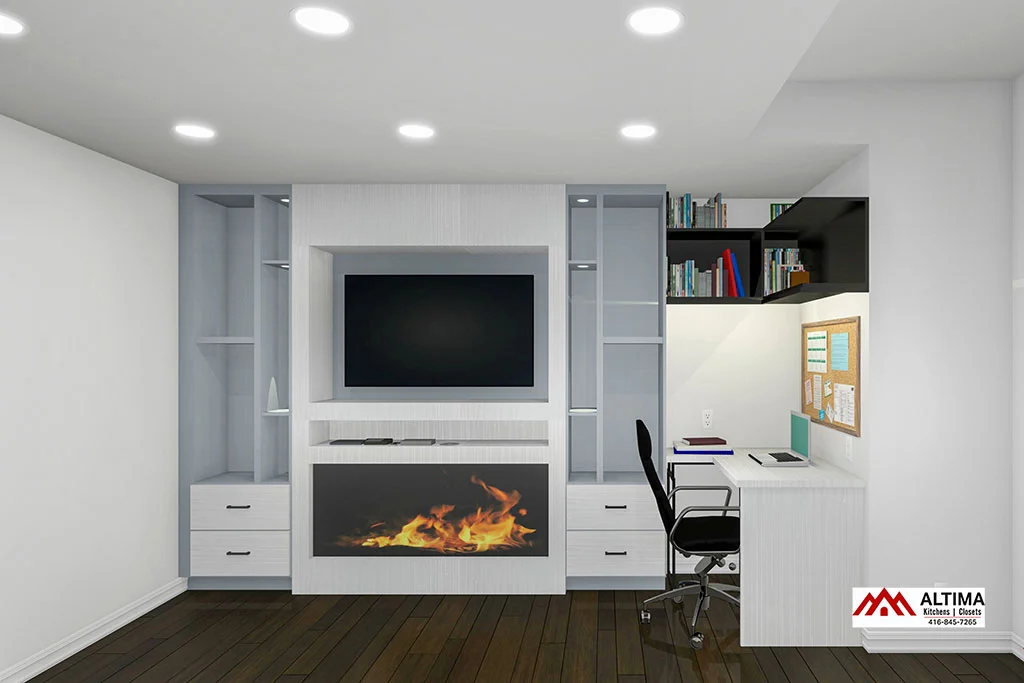
How Media unit contractor in Whitby is Changing the Game
Lifestyle is all about bringing something coherent to the overall experience of living. The kitchen and closets stand as two of the most influential spaces in a home that add to the overall experience of living. A Media Unit Company in Whitby by the name of Altima Kitchen and Closets Inc. is changing the overall […]